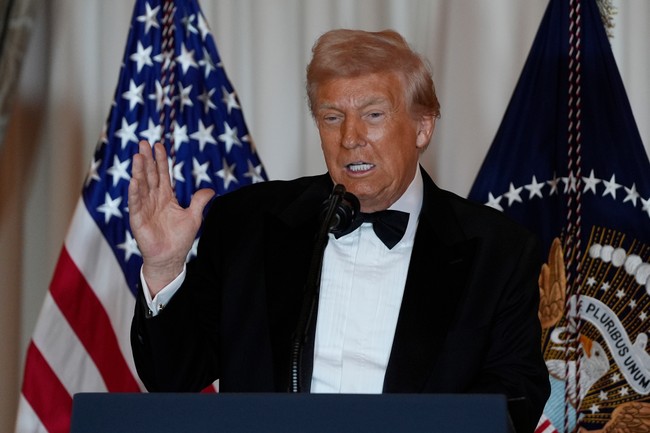
Trump plans a full-court press on the domestic economy next year, returning to campaign-style travel to sell his record and energize the GOP ahead of the 2026 midterms.
It’s time to make the argument on the ground. Republicans can’t assume redistricting fixes everything, so the president is shifting into a more traditional, hands-on mode: hitting key states, reminding voters of economic gains, and putting pocketbook issues front and center. That posture is a straightforward political move — lead with wins, confront voter worries, and shore up vulnerable districts.
White House Chief of Staff Susie Wiles has signaled the change in strategy, saying the president will adopt his 2024 campaign self as the country heads toward next year’s fights. Republican operatives see this as a common-sense response: when control of the House is on the line, voters need reasons to trust the party on the economy. The aim is to turn presidential visibility into tangible help for candidates in close districts.
🚨NEW: Susie Wiles says Trump will "CAMPAIGN LIKE IT'S 2024 AGAIN" for Midterms🚨
"He'll work very hard to keep the majority … Nobody can outwork him. So there's every reason to be confident — but we have to actually get it done."@DailyCaller pic.twitter.com/C4GevJYCxH
— Jason Cohen 🇺🇸 (@JasonJournoDC) December 8, 2025
President Trump, staring down criticism that he’s prioritized global issues over pocketbook worries, next week will kick off a year of heavy stateside travel that’s focused on selling his economic agenda ahead of the midterms.
Why it matters: Trump’s approval rating has sunk as he has pursued peace deals around the globe and “narco-terrorists” in the Caribbean, while Americans have become more pessimistic about affording a better life.
With Republicans in danger of losing control of the House next November, Trump needs to be a lift — not a drag — in tough districts if the GOP is to defy powerful historic trends and keep its majority.
Trump’s new push begins Tuesday in the vital battleground of northeastern Pennsylvania.
[…]
…aides privately acknowledge that there’s more to be done to address cost-of-living concerns — and say that on his trip, Trump also will preview upcoming plans.
That early-week stop in northeastern Pennsylvania matters because it’s the kind of district where local voters decide control of Congress. The plan is simple: show up, make the economic case, and outline concrete next steps. When voters see a president who looks like he’s working for them, that can shift tight races.
Part of the message will be to highlight policy wins that aren’t flashy but do affect families’ budgets. The administration recently unveiled a deal intended to lower the cost of weight-loss drugs, which is the kind of direct, pro-consumer step that plays well with middle-class voters. These are the kinds of items Republicans should emphasize: practical benefits, not abstract promises.
Trump’s team also intends to preview larger moves aimed at tackling cost-of-living pressures. Acknowledging the challenge is politically honest; offering a plan is how you earn trust. Republicans should be clear-eyed about the job: voters want relief on daily expenses, and a president who sells solutions helps candidates in contested districts.
Inside the conservative movement, there’s frustration that allies haven’t always pushed the economic story aggressively enough. The president has been blunt about his expectations, and at times he’s shown annoyance when fellow Republicans downplay the administration’s achievements. That bluntness is part of the pitch — a leader demanding credit for results.
There’s a strategic upside to a national travel schedule that puts the economy first: it forces the political conversation back onto voters’ wallets and away from abstract cultural conflicts where messaging can fracture. When Republicans make a tight, measurable case about incomes, costs, and access to key medicines, they give their candidates a clearer argument in swing districts. That’s what will be tested over the next year.
Yes, approval numbers matter, and the president recognizes that international wins don’t always translate into domestic enthusiasm. So the bet is to convert global accomplishments into local headlines and to pair them with plans aimed at cutting household expenses. If the party can marry bold foreign policy with a relentless domestic agenda, it improves the GOP’s odds of holding the House.
Campaign-style travel isn’t flashy policy by itself, but it’s how you sell policy to voters who care about groceries, rent, and healthcare costs. For Republicans, the task is to keep the message simple, relentless, and focused on results voters can feel. The coming travel schedule will be a practical test of that approach, and how well it helps Republican candidates in the toughest districts will determine whether it was the right move.