Democrats blame cars and companies for surging auto thefts while treating repeat offenders like a minor inconvenience, not a public safety crisis.
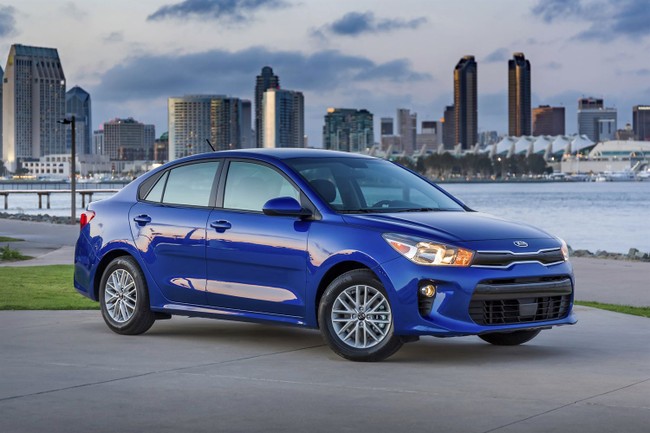
Car theft has become a major headache in American cities, and Milwaukee has a vivid example in the so-called Kia Boys. One Milwaukee ringleader, Markell Hughes, was arrested in 2023, sentenced to time served and extended supervision, and then re-arrested later that same year. That sequence shows a system that too often fails to keep repeat offenders off the street.
Communities want accountable policing and real consequences, not theater. Instead of focusing on the people committing thefts, many Democrats pivot to blaming objects and companies and file lawsuits as if that fixes crime. This approach ignores the basic fact that deterrence matters.
When officials talk about fixes, they often point at manufacturers and technology rather than sentencing and enforcement, claiming cars were made “too easy” to steal. New York AG Letitia James just bragged about getting a settlement from Kia and Hyundai over this issue.
How about your “reckless decision” to not throw criminals in jail, Letitia?
We secured $9 million from @Hyundai and @Kia for failing to protect their cars from theft.
Their reckless decision to forgo basic anti-theft measures led to car thefts with deadly consequences.
Now, the companies must take measures to protect their vehicles from theft.
— NY AG James (@NewYorkStateAG) December 16, 2025
Nope. That would be racist.
Only Democrats push this narrative of blaming tools over behavior, and it changes how justice is applied. No, no, no. That’s “restorative justice.” Give it time; Democrats will start doing that soon, too.
Policy choices have predictable results: soft consequences invite repeat offenses and push victims into a cycle of loss and frustration. Next up, fining homeowners when someone busts down your front door, because you were “reckless” and didn’t reinforce it.
When the thieves are in prison, they can’t steal.
Look abroad for contrast. In South Korea, a non-violent car theft can carry a sentence of six years in prison and a fine of up to ten million won, roughly $7,500. Criminal records there carry long-term social and economic consequences that make reoffending less attractive.
The results are striking on paper: South Korea’s car theft rate sits around 4.7 per 100,000 people, while the U.S. rate is about 291.3 per 100,000. Those numbers don’t lie: when penalties bite and social stigma follows, theft declines.
Arguing that manufacturers alone shoulder responsibility is a dodge that distracts from the real lever of public safety: criminal accountability. Lawmakers who refuse to impose meaningful penalties end up normalizing theft and eroding citizens’ sense of security.
There are common-sense fixes that respect property rights and public safety without swallowing radical theory. Strengthening prosecutions, increasing sentences for repeat offenders, and coordinating with communities to protect vulnerable areas are practical steps that have worked elsewhere.
We should measure success by fewer stolen cars and safer neighborhoods, not by lawsuits and press releases. If the goal is to stop crime, the solution starts with holding criminals accountable and keeping repeat offenders where they cannot prey on the public.