The House moved to advance a petition that would extend Temporary Protected Status for Haitians for three years, with a narrow party-line split and a handful of Republican defections setting up a floor vote.
The House voted 219-209 to discharge a petition tied to H.R. 965, sending the measure closer to a full chamber decision. Six House Republicans joined 212 Democrats and one independent in the procedural move, a small but decisive bloc that changed the immediate path of the issue.
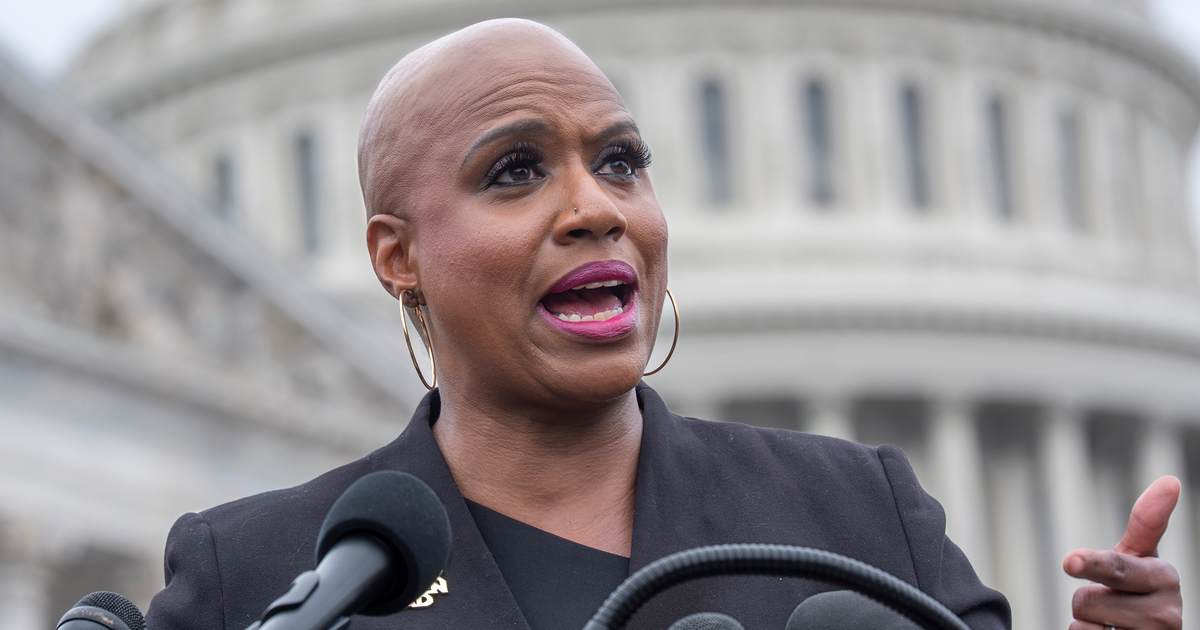
Representative Ayanna Pressley, the Democratic sponsor of the petition, announced the discharge would trigger a House vote on Thursday afternoon. The petition itself reads exactly: “Notwithstanding any other provision of law, the Secretary of Homeland Security shall designate Haiti for temporary protected status until the date that is 3 months after January 20, 2029.”
The petition’s language would effectively extend protected status through early 2029, a period many will describe as roughly three years from enactment. Supporters say the designation would shelter Haitians from removal while officials argue about the conditions in Haiti and the logistics of managing any program expansion.
The House agreed to the @RepPressley motion to discharge H. Res. 965 by a vote of 219-209. https://t.co/8Kud4bpWBz
— House Press Gallery (@HouseDailyPress) April 15, 2026
The procedural maneuver came amid heightened public concern after a violent crime allegedly committed by an individual identified as a Haitian raised fresh questions about immigration enforcement. Video reports and subsequent government statements describe an attack outside a Florida gas station that left a woman dead and led investigators to name Rolbert Joachin as the suspect.
According to public accounts, Joachin was encountered at the border and released in August 2022 under policies in place at that time, and an immigration judge later ordered his removal. The Biden administration later granted him a temporary protected status that expired in 2024, a chain of events opponents point to as evidence of weak enforcement and poor coordination.
President Donald Trump shared footage of the fatal attack on his platform, underscoring how the episode became a flashpoint for national debate over border policy. Republican lawmakers seized on the incident to argue that enforcement failures have real public safety consequences and that accountability should follow when removals and restrictions are not carried out.
DHS Secretary Markwayne Mullin publicly slammed the House action, criticizing the decision to move the petition forward and framing it as a deviation from secure-border priorities. His reaction reflected broader GOP concern that expanding or extending protected status without strict vetting and enforcement undermines immigration control efforts.
Last year, the Department of Homeland Security removed Haiti from the list of countries eligible for the TPS program, a shift that was defended at the time as reflecting changing conditions and program criteria. That administrative change did not end debate, and lawmakers on both sides have since pushed competing narratives about the right balance between humanitarian relief and strict immigration enforcement.
The narrow margin and the presence of six Republican defectors make clear this is not a straightforward partisan fight, but it does sharpen the policy choice facing Congress. For many Republicans, the question is whether temporary protections become a backdoor for permanent loopholes when enforcement and court orders are not carried out as intended.
As the House approaches a full vote, expect both sides to press their case loudly on the House floor and in public statements. The outcome will hinge on whether the broader GOP can hold its members or whether a small group of cross-party votes will again change the trajectory of immigration policy in a high-profile way.