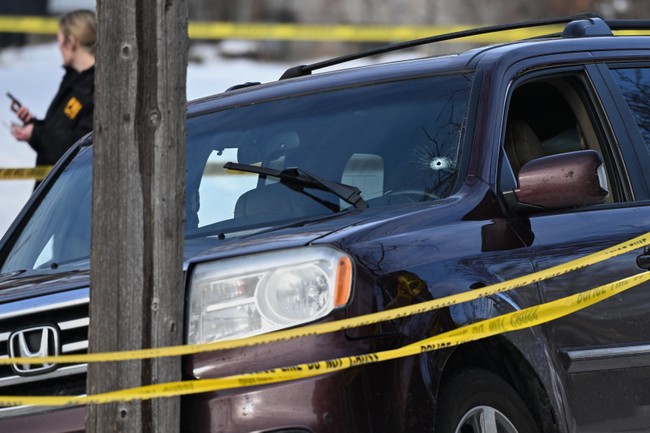
Minneapolis erupted after an ICE agent shot and killed Renee Nicole Good, 37, during a January 7 immigration enforcement operation, and new footage undercut the initial rush-to-judgment that branded the encounter a murder.
Minneapolis remains tense after an ICE agent shot and killed Renee Nicole Good during an enforcement action on January 7. Local and national outlets leaned hard into a murder narrative before key video evidence was widely seen. The footage changes how the sequence looks and raises straightforward questions about intent and danger during the encounter.
Early coverage from the left labeled the shooting murder, but the actual officer footage tells a different story about how the contact began. The video shows Good accelerating her vehicle into the agent and striking him, which adds important context that was missing from the initial headlines. That context matters in any fair assessment of what happened and why the agent responded the way he did.
Contrary to claims that Good appeared terrified or desperate, the new footage and background reporting paint a different picture of her demeanor at the scene. Observers and records suggest she was an experienced activist who had been involved in organized protests and tactics aimed at disrupting ICE operations. That background doesn’t excuse a death, but it does explain why some thought she was on a mission rather than fleeing in panic.
🚨BREAKING: Cellphone footage has been obtained showing the perspective of the federal agent involved in the Minneapolis shooting.pic.twitter.com/K0JCd5z21D
— Townhall.com (@townhallcom) January 9, 2026
On the video, Good’s partner Rebecca can be heard taunting or goading federal agents with talk about changing plates before any shots would be fired. That exchange undercuts the idea that the encounter was a chaotic attempt to escape; it looks more like a confrontational protest tactic. Once the footage was examined, the bravado vanished and the initial narrative started to crack.
It’s also worth noting that activists who target federal officers often court attention and legal trouble; they build reputations around confrontational stunts. Expecting them to suddenly want to hide from federal scrutiny makes little sense given their past behavior. That pattern influences how reasonable people interpret the actions at the scene.
From a policy and public safety standpoint, legal experts who reviewed the footage quickly concluded the shooting was likely justified under the circumstances. Still, political leaders like Mayor Jacob Frey and Governor Tim Walz pushed a more inflammatory line that fed a national uproar. Democratic members of Congress and local officials — including Mamdani, Ilhan Omar, and Seth Moulton — amplified that angle without waiting for all the evidence.
The early media frenzy shows how fast a story can be framed when video isn’t yet in the hands of the public. Reporters and pundits rushed to condemn ICE rather than patiently parsing the footage and the testimony. That rush cost the public clarity and turned a complex law enforcement encounter into a partisan rallying cry.
After the full footage surfaced, expectations of retractions and cooler heads began to surface, though not nearly as loudly as the initial charges. We said retraction and piping-hot cups of STFU will be served, and this first round of video is the first helping. The new clips make it clear why many conservatives and law enforcement supporters felt the initial narrative was unfair and incomplete.
Vice President JD Vance warned the media to cover the shooting responsibly, emphasizing caution before verdicts are delivered on television. Political leaders should avoid repeating unverified claims that inflame tensions and complicate investigations. Responsible coverage would pause on hot takes until all relevant footage and witness statements are reviewed.
“We’re dealing with absolute psychopaths, also known as white liberal women:” that blunt line captured the anger some feel toward the performative tactics used in these confrontations. The quote reflects frustration with activists who stage confrontations that put federal officers into split-second life-or-death decisions. Seeing the full videos helps the public judge whether that anger is justified.
More video has continued to emerge and the conversation has shifted from instant moral judgment to analysis of tactics, accountability, and media responsibility. Multiple additional clips are circulating that reporters and the public need to examine before settling on a verdict. Those clips, and how officials respond, will shape whether this episode becomes a cautionary tale about rushed narratives or an example of appropriate enforcement under dangerous circumstances.