After President Donald Trump rolled out a new marketplace for lower-cost prescription drugs, Democrats pushed back hard and public reaction split along predictable lines.
President Donald Trump unveiled a new online marketplace meant to make prescription drugs cheaper and easier to buy, and the response from Democrats was immediate and sharp. The platform, widely referred to as TrumpRx, drew criticism despite promising lower prices for many patients. That backlash says more about partisan instincts than about the basic idea of cutting drug costs.
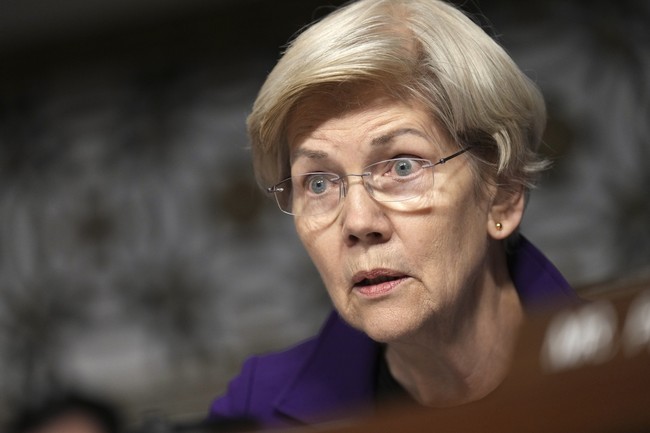
Sen. Elizabeth Warren (D-MA) publicly attacked President Donald Trump over the new site and framed the move as part of a political playbook. Warren accused Trump of having “kicked 15 million people off health insurance because Republicans don’t want to keep massive Obamacare subsidies.” Her claim links the marketplace to broader debates over the future of health policy and federal subsidies.
Political observers pointed out the irony of Warren’s attack, given her long history of touting cheaper healthcare measures when they originated from progressive initiatives. She appears to have Trump Derangement Syndrome, others noted on social media. For many conservatives, the reaction underscored a double standard: policy is good or bad depending on who proposes it.
TrumpRx is nothing more than Donald Trump’s latest vanity project.
If Donald Trump cared at all about making health care more affordable, he wouldn't have kicked 15 million Americans off their health insurance.
— Elizabeth Warren (@SenWarren) February 7, 2026
The new marketplace tries to cut out middlemen and bring pricing transparency to prescription purchases, an approach that appeals to voters tired of opaque pharmacy pricing. Republicans see this as a commonsense market-based solution that pressures drug makers and distributors to lower costs. Democrats who reflexively oppose anything tied to the administration risk looking like they oppose price relief.
Conservative supporters argue the platform empowers consumers and works within private-sector dynamics rather than expanding costly federal programs. That fits a Republican view that competition and choice deliver better outcomes without added bureaucracy. It also gives critics of big pharma a new tool to demand lower sticker prices.
Some prominent business voices chimed in to support the idea, saying competition can produce meaningful savings on common medications. Those endorsements highlight how market-oriented reforms can attract allies across sectors. The debate then shifted from abstract policy to simple questions about affordability and access.
Billionaire Mark Cuban, who operates a similar marketplace, praised TrumpRx and noted the practical upside of easier access to discounted drugs. Cuban’s backing adds credibility for those who want real-world proof that private solutions can help consumers. His support also reminded people that lowering costs does not always require expanded government control.
Not everyone bought the spin. New Jersey Democrat Frank Pallone labeled the discount drug platform “waste, fraud, and abuse.” That quote got repeated by opponents to paint the rollout as sloppy or politically motivated. Pallone’s critique reflects a common tactic: dismiss new conservative initiatives as inherently suspect.
Republicans countered by pointing to actual savings for patients and highlighting the contrast with costly entitlement expansions pushed by some Democrats. For conservatives, the TrumpRx approach represents practical policy that prioritizes consumers over powerful industry insiders. Messaging focused on tangible results tends to resonate more than abstract grievances.
Social media amplified the partisan split, with supporters celebrating lower prices and critics warning about hidden pitfalls. That noise forced reporters and policymakers to separate real concerns from partisan theater. In a crowded news cycle, cost savings for everyday Americans made the clearest political case.
The rollout also sparked questions about regulatory oversight and how to ensure the site delivers what it promises without exposing buyers to scams or counterfeit products. Conservatives insist oversight should be targeted and efficient rather than sweeping and expensive. The core argument remains: cut costs, keep safeguards, and let consumers see the benefits.
At its heart the controversy is less about whether Americans deserve cheaper drugs and more about which party gets credit for delivering them. Republicans will point to TrumpRx as evidence of practical, market-driven policy that helps voters directly. Democrats will keep arguing for different pathways, but voters now have a concrete example to evaluate.