A quick overview: high-level security concerns around top officials, recent drone activity near a military base, the possible relocation of Secretary of State Marco Rubio and Secretary of War Pete Hegseth, and how authorities are responding to elevated threats tied to Operation Epic Fury.
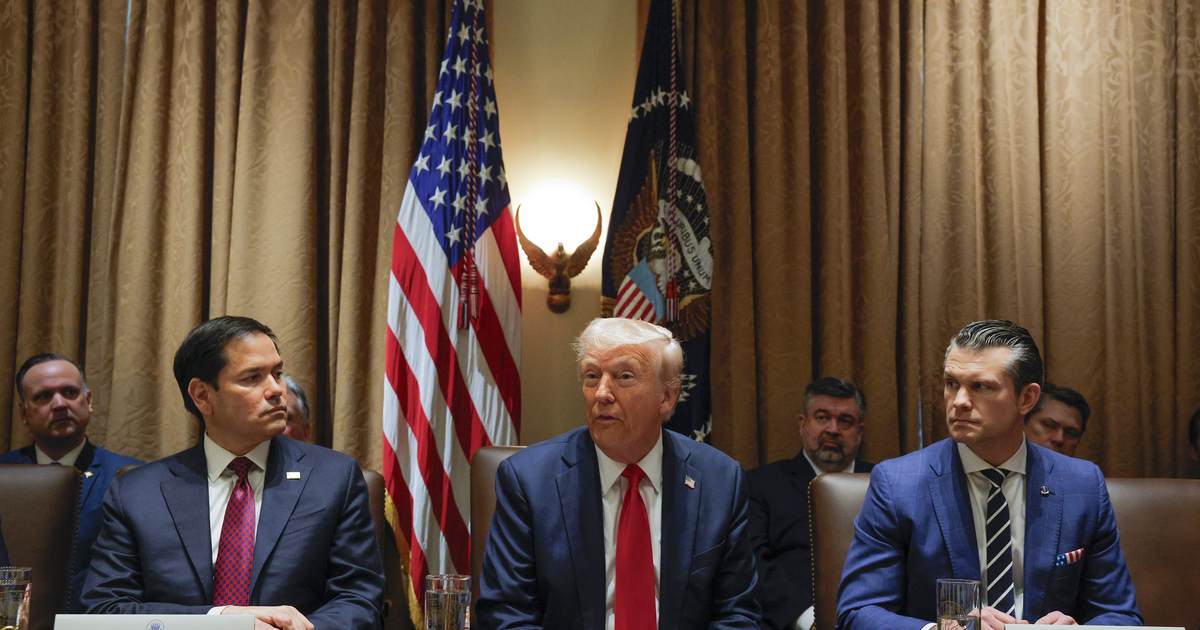
Washington’s security posture has tightened after unidentified drones were detected over the Army base where Secretary of State Marco Rubio and Secretary of War Pete Hegseth live. Officials are weighing whether to relocate the two secretaries while they remain under protection, and Republican lawmakers are pushing for clear, decisive action. The situation underscores the ugly reality that those who defend our country are not immune from threats at home.
Details remain scarce by official release, but multiple sources confirm the drone incidents spooked military and security planners and triggered higher alert discussions inside the White House. With Operation Epic Fury in play and tensions rising in the region, the risk of terrorist or proxy reprisals is no longer theoretical. Our public servants deserve protection, and the chain of command must make sensible, visible moves to secure them.
On the ground, commanders raised force protection levels at several bases across the country, and domestic installations are on sharper notice. That escalation is a signal that leadership takes these incursions seriously and intends to deter further probing attempts. As conservatives we expect the government not only to warn but to harden defenses and remove any ambiguity about protective actions.
U.S. officials detected unidentified drones above the Washington Army base where Secretary of State Marco Rubio and Defense Secretary Pete Hegseth live, according to three people briefed on the situation. Officials have not determined where they came from, two of the people said.
The military is monitoring potential threats more closely because of the heightened alert level as the United States and Israel strike Iran, according to a senior administration official who spoke on the condition of anonymity to discuss sensitive security matters. Multiple drones were spotted over Fort Lesley J. McNair on a single night in the last 10 days, the official said, prompting increased security measures and a meeting at the White House to discuss how to respond.
The drone sightings in Washington come as the U.S. issued a global security alert for overseas diplomatic posts and locked down several domestic bases because of threats. This week, Joint Base McGuire-Dix-Lakehurst in New Jersey and MacDill Air Force Base in Florida raised their force protection level to Charlie — a designation that means the commander has intelligence indicating an attack or danger is possible. The only higher alert level, Delta, is for when an attack has occurred or is anticipated.
The drones over Fort McNair prompted officials to weigh relocating Rubio and Hegseth, two of the people briefed said. The senior administration official said the secretaries haven’t moved. Their quarters on the base were publicly reported by multiple outlets in October.
Relocation is not a symbolic gesture; moving key officials is a concrete way to mitigate risk while longer-term protective measures are put in place. That might mean temporary housing off-base or shifting public schedules to minimize predictable exposure. Either way, transparency about the steps taken would calm the public and reassure service members that leadership is getting this right.
Some will argue that publicizing moves invites more attention, but secrecy that hides poor planning is worse. Republicans should demand accountability: explain the threat assessments, outline the protective posture, and show how agencies are cooperating to prevent further incursions. The American people and our allies need to see competence, not confusion, at moments like this.
This incident also raises questions about domestic airspace security and counter-drone capabilities near critical government sites. If small, commercially available drones can skirt defenses and probe military housing, commanders need better detection and rapid response tools. Lawmakers should fund practical, proven countermeasures and require clear rules of engagement for unidentified drones over secure facilities.
Threats against public officials are not abstract problems to be shrugged off. They demand swift action, coordination across agencies, and the political will to prioritize the safety of our national leaders and the personnel who protect them. Officials on the ground should act with urgency, and Congress should support them with the resources and oversight needed to keep these risks from escalating.
We’ll keep you updated. Attorney General Pam Bondi recently moved into military housing over threats primarily from drug cartels.