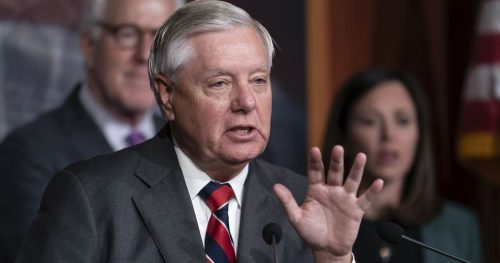
Rep. Kristen McDonald Rivet’s backing of a Chinese-linked EV battery project in Michigan has sparked local backlash, national security concerns, and political attacks over taxpayer subsidies and foreign control.
A newly surfaced clip shows Rep. Kristen McDonald Rivet openly supporting Gotion’s plan for an electric-vehicle battery mega factory near Big Rapids, Michigan, a project tied to a Chinese parent company. The footage highlights the friction between economic promises and security worries that have dogged the proposal from the start. Local officials, voters, and national voices have all reacted as the deal’s promises unraveled. That reaction has turned a local economic pitch into a politically charged controversy.
“What I can tell you is that there has been a lot of political drama around it, and what I will never do is put politics in front of people’s jobs,” McDonald Rivet said during a 2024 candidate forum about her support for Gotion’s planned factory that sparked bipartisan national security concerns. “Now we have to absolutely address the unfair playing field with China. They don’t play by the rules and we need to be ensuring that our national security is protected in those investments. That particular investment had absolute screening by the federal government and I stand by it.”
WATCH: In 2024, Rep. Kristen McDonald Rivet stood by a CCP-linked battery plant deal in Michigan despite national security concerns, taxpayer subsidies, and overwhelming local opposition that killed the project.
Now the firm owes taxpayers $24 million, and they refuse to pay. pic.twitter.com/Ljrwdh2zYv
— Joe Chalfant (@JoeChalfant) March 21, 2026
McDonald Rivet backed a $175 million taxpayer-funded incentive package aimed at persuading the company to locate the plant in Michigan. That vote intensified local protests from residents who said officials pushed the deal without adequate community buy-in and clear protections. Some locals described their conflict with officials as feeling “at war” over how the project moved forward and what it would mean for the region.
Opposition mounted quickly and dramatically. The board of local officials that approved the agreement either resigned or were removed in a recall election, and another local board later rescinded its approval in 2025. Those political reversals underscored the depth of mistrust among voters about the deal and the process used to secure it.
The agreement later fell apart, and Gotion remains on the hook to repay $23.6 million to taxpayers after support was withdrawn. The company has defended itself by blaming “anti-CCP rhetoric” and “anti-China sentiment” for the collapse, framing criticism as politically charged rather than substance-based. Gotion has also been described as “wholly owned and controlled” by a Chinese parent company, a fact that fed the national security debate.
McDonald Rivet pushed back on critics in language that echoed the company’s defense, accusing opponents of spreading what she called “misinformation and baseless claims” that “serve the politicians spreading them.” That stance put her at odds with local activists and national conservatives who say the risks of foreign-controlled critical manufacturing outweigh the short-term economic pitch.
Republicans have seized on the episode as an example of misplaced priorities and dangerous precedent when large subsidies flow to entities tied to adversarial regimes. In this coverage, one common refrain is that elected officials should prioritize national security and taxpayer protection above economic carrots that carry foreign control risks. In the eyes of GOP critics, McDonald Rivet’s vote represented a serious lapse.
“Kristen McDonald Rivet has made no secret of her admiration for the Chinese Communist Party,” said RNC Spokesman Hunter Lovell. “She chose to send millions in taxpayer subsidies to a CCP-linked company over the concerns of her own constituents. Hardworking Michiganders can’t trust her to put their interests ahead of the CCP’s.” That statement became a centerpiece of Republican messaging around the race, framing the matter as a clear choice between local interests and foreign influence.
The political fallout extends to the balance of power in the district, which is currently rated as “Lean Democratic.” With national security and jobs both on the table, critics argue that voters will judge whether McDonald Rivet prioritized the right interests. The episode gives opponents a concrete episode to target as campaigns expand and the issue stays in the news.
At its core the dispute pits competing priorities: the desire to attract high-tech manufacturing and the obligation to shield key industries from foreign control. For Republicans making the case now, the lesson is straightforward — taxpayer dollars and strategic supply chains demand strict scrutiny, and that scrutiny, not quick economic wins, should guide policy decisions. The controversy is likely to remain a live issue as voters weigh economic promises against long-term security risks.