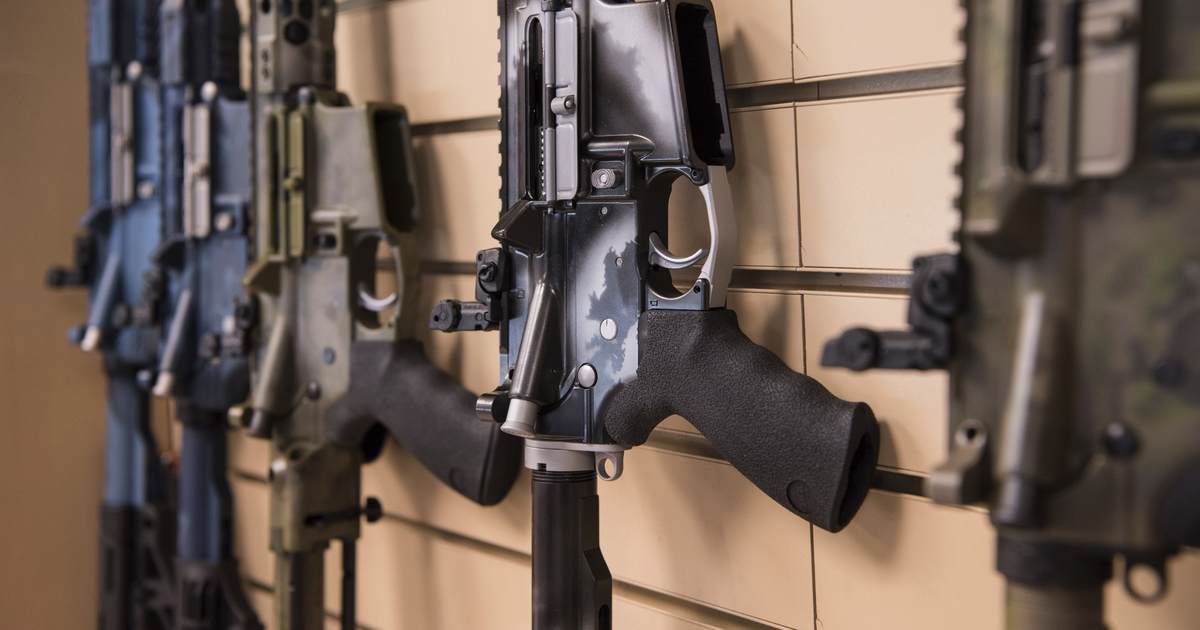
Canada’s attempt to seize so-called assault weapons has stumbled at nearly every turn, with low participation, confusing deadlines, and a buyback that’s miles short of government estimates.
The rollout has looked less like a careful policy and more like a sequence of missteps and missed expectations. As the deadline for declaring firearms draws near, the program still trails far behind the numbers Ottawa budgeted for. That gap tells you a lot about how people respond when governments try to force compliance on contentious issues.
Officials set aside money expecting far more participation than they’ve seen, and the optics are terrible for a government that promised strict enforcement. Rather than an orderly exchange, this has become a scramble as owners weigh whether to declare, deactivate, or simply ignore the rules. The uncertainty has only amplified resistance and skepticism among gun owners.
Despite the pressure, Canadians aren’t exactly folding. Plenty of owners are skeptical of handing over firearms or accepting compensation that feels inadequate. That reluctance has kept declaration numbers stubbornly low, even with a limited amnesty and an official incentive on the table. The result is predictable: a policy built on assumptions that turned out to be wildly optimistic.
Gun owners have reported more than 51,000 firearms to the federal government with one week left to go in a program to provide compensation for banned guns, Public Safety Minister Gary Anandasangaree said Monday.
The figure is well short of the 136,000 firearms for which the government set aside money when the buyback program for individual owners opened in January.
Anandasangaree said he is “cautiously optimistic” leading up to the March 31 deadline for the program, which offers owners compensation for turning in or permanently deactivating their guns.
Since May 2020, Ottawa has outlawed about 2,500 types of firearms, including the AR-15 and Ruger Mini-14, on the basis they belong only on the battlefield.
Prohibited firearms and devices must be disposed of — or deactivated — by the end of an amnesty period on Oct. 30.
That official tally of just over 51,000 declared firearms starkly misses the mark compared with the 136,000 units the government planned for. It’s possible a last-minute rush could add declarations, but inertia runs deep when people distrust the process. Most who planned to take the government’s offer would likely have already done so.
For many owners, the compensation option is the only realistic path short of destruction or hiding a firearm. Turning in a gun for money feels like the least bad option if someone is willing to comply, but the sums on offer haven’t swayed a majority. That mismatch between incentive and sentiment explains part of the program’s underperformance.
Look at the bigger picture: fewer than a third of the anticipated claims so far, and estimates for semi-auto rifles in Canada top out around 250,000 in some assessments. Those figures show the buyback was built on rosier assumptions than reality supports. When the numbers don’t add up, the policy looks less like planning and more like wishful thinking.
The program’s struggles echo problems seen when governments try the same trick elsewhere, like the low registration rates under the NY SAFE Act. Laws that rely on voluntary compliance from people who own high-value rifles tend to flop when enforcement is limited or punishments are complicated to apply. The lesson is simple: registries and buybacks work only if the people they affect believe the process is fair and final.
Expecting armed, freedom-minded citizens to hand over their best defensive tools because a law says so is naive at best. The idea that you can compel compliance by fiat ignores human nature and the basic calculus of self-defense and distrust of officials. Policies that ignore those realities will keep failing, and Canada is living proof.
Some critics may mock the tone and toss out pop-culture jabs, but the underlying point stands: governments that misread how people behave around their firearms will not find easy success. That disconnect between policy design and on-the-ground response is what makes these programs grind to a halt. And it’s exactly why anti-gun advocates who expect quick results should temper their expectations.
If Canadians are pushing back, the notion that Americans would quietly surrender is laughable. The cultural, legal, and practical differences mean U.S. owners are even less likely to comply with similar schemes. Political operatives pushing sweeping disarmament campaigns should take that into account before betting on compliance.
For now, Canada’s buyback stands as a cautionary example: ambitious goals, flawed execution, and an outcome that undercuts political bragging rights. Observers on both sides will keep spinning the story to fit their narratives, but the raw facts are stubborn. When policy and people collide, governments would be wise to expect surprises.