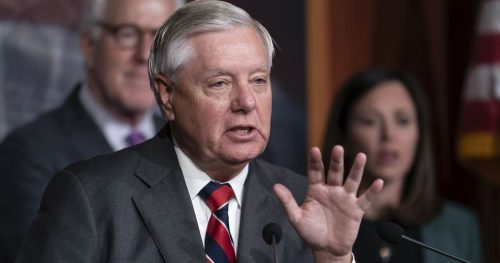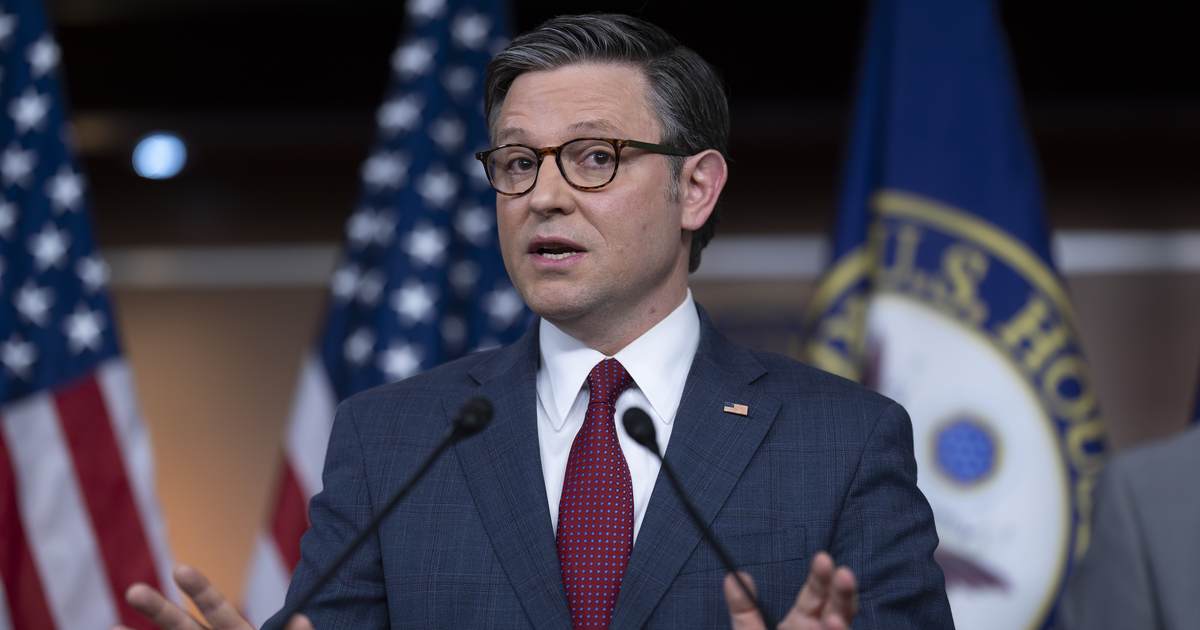
The House approved a 60-day continuing resolution for the Department of Homeland Security by a 213-203 vote, but the measure faces certain rejection in the Senate after leadership left town; President Trump authorized DHS Secretary Markwayne Mullin to tap funds from last year’s tax cut bill to pay TSA agents immediately, while civilian support staff for ICE and Border Patrol will wait another two weeks.
Congress is in political chaos over a partial DHS shutdown that keeps frontline border operations limping along. Republicans in the House pushed a clean 60-day continuing resolution to restore funding and buy time, insisting that DHS be fully funded as part of the annual appropriations process. That move, however, is dead on arrival in the Senate without significant Democratic support.
President Trump moved quickly to relieve one immediate pain point by empowering Secretary Markwayne Mullin to use tax cut-era funds to pay TSA agents who had gone unpaid for weeks. That action stabilized airport security staffing and avoided a predictable public meltdown at transportation hubs. Still, the civilian support staff who handle ICE and Border Patrol administration were told to wait another two weeks for back pay, which keeps pressure on the system.
The Senate had passed a midnight funding proposal before breaking for recess, a compromise that frustrated many House Republicans who were not consulted. That Senate bill left ICE and Border Patrol out of full coverage, and it carried no meaningful reforms on immigration enforcement that conservatives demand. House conservatives viewed full funding as nonnegotiable because it ties into the twelve appropriations bills that should be settled each year.
The House vote on the continuing resolution ended 213-203, a narrow margin that reflects a party still wrestling with strategy and priorities. Republicans needed more than a handful of Democrats to flip in the Senate to make the CR viable there, and that simply isn’t happening while Democrats hold the line. With both chambers recessed, lawmakers have handed the public a stalemate they can ill afford amid rising frustration at airports and overstretched border operations.
From colleague Tyler Olson. The House just passed the GOP leadership's 60-day DHS CR by a vote of 213-203.
3 Dem yeas were Reps. Davis (NC), Gluesenkamp Perez (WA) and Cuellar (TX). All Republicans voted yes
This is almost certain to be blocked in the Senate, leading the DHS…
— Chad Pergram (@ChadPergram) March 28, 2026
The intra-party fallout is now front and center. Some House Republicans slammed the Senate for cutting a deal and leaving, while others blamed tactical missteps that left conservatives exposed and unable to secure reforms. That infighting will dominate headlines, even as the practical problem remains: agencies are underfunded, staff are unpaid or uncertain, and operations are constrained.
This is not just a squabble about numbers; it’s about priorities and accountability. Conservatives argue that funding must come with oversight measures, border security provisions, and enforcement changes that Democrats refuse to accept. Democrats, for their part, prefer to tie funding to policy goals that shield illegal migrants and limit deportations, a stance Republicans say undermines public safety and the rule of law.
There is a simple, political truth here: leaving town without settling appropriations is a political decision with immediate consequences. The Senate’s decision to recess after a late-night vote that excluded key enforcement elements signaled surrender to convenience over responsibility. That choice put House Republicans in a bind and handed Democrats a messaging advantage even as they refuse to fund core enforcement functions on acceptable terms.
Practical fixes exist, and the path forward requires discipline and clear priorities from Republicans who control the House. First, fully fund DHS functions tied to homeland security without giving up necessary reforms that restore control of our borders. Second, force votes that make clear which lawmakers stand for secure borders and which do not, so voters can hold them accountable at the ballot box.
Meanwhile, the immediate relief for TSA agents shows that executive action can help blunt short-term damage when Congress fails. The administration’s use of available funds to pay frontline workers was the right move to prevent chaos at airports. But this is a stopgap, not a cure; long-term stability depends on passing regular appropriations with stronger enforcement measures and smarter border policy.
Editor’s Note: Democrats are causing chaos at airports and inflicting pain on the American people simply because they want to keep illegal aliens from being deported.