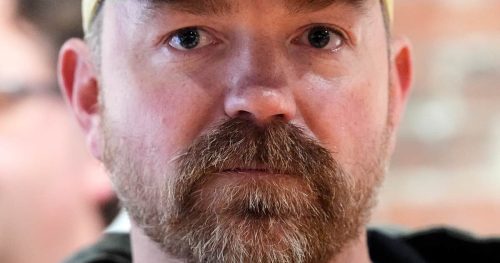
Courtney Williams, 40, of Wagram, North Carolina, was arrested by the FBI and federally indicted for allegedly transmitting classified national defense information to people not authorized to receive it, including a journalist; the indictment cites an alleged violation of 18 U.S.C. § 793(d) and details repeated communications, social media disclosures, and messages in which Williams acknowledged potential legal consequences.
The FBI arrested Courtney Williams yesterday and a federal grand jury returned an indictment today charging her with passing classified national defense information to unauthorized recipients. The indictment names a journalist among those alleged recipients and points to repeated interactions over several years. Prosecutors say the conduct falls under 18 U.S.C. § 793(d).
Court documents outline Williams’s background with a Special Military Unit from 2010 to 2016 and note she held a Top Secret / Sensitive Compartmented Information security clearance while employed there. As a clearance holder she received training on handling, safeguarding, and storing classified material and signed a Classified Nondisclosure Agreement confirming that unauthorized disclosure could be a criminal offense. The papers say she had daily access to a wide range of classified national defense information.
Officials stress the duties that come with a clearance and the risks that come from breaches of trust. “Clearance holders accept a solemn obligation to protect the classified information entrusted to them,” said Assistant Attorney General for National Security John A. Eisenberg. “That they do so is critical to the security of our Nation. When clearance holders violate that trust, the National Security Division will act swiftly to hold them accountable.”
According to the indictment, between 2022 and 2025 Williams repeatedly communicated with a journalist by phone and text. The documents state Williams and the journalist logged more than 10 hours of telephone calls and exchanged over 180 messages during that period. Those communications are central to the government’s allegation that classified material was passed to someone without authorization.
In one message listed in the filings, the journalist identified themselves as a journalist and said they were seeking information about the Special Military Unit for an upcoming article and book. After the communications with Williams, the journalist published a book and an article that named Williams as a source and attributed specific statements to her. Some of those attributed statements are alleged to have contained classified national defense information, and prosecutors also say Williams made unauthorized disclosures via her social media accounts.
“We trust our war fighting individuals to cooperate as a team to protect our military and country,” said U.S. Attorney for the Eastern District of North Carolina Ellis Boyle. “We will pursue criminal charges to keep these warriors safe whenever we find leakers exalting their own feelings over the safety of the United States.”
🚨🚨 FBI and our partners have arrested a former SOCOM employee, who supported our top-level military warfighters, for allegedly transmitting classified information to a member of the media.
Outstanding work by @FBICharlotte and the FBI Counterintelligence & Espionage Division…
— FBI Director Kash Patel (@FBIDirectorKash) April 8, 2026
On the day the article and book were published, the filings say Williams exchanged several messages with the journalist, and one such message quoted her as saying she was “concerned about the amount of classified information being disclosed.” Those same court documents reproduce other messages that show Williams recognized the risk she faced and the legal exposure attached to unauthorized disclosure of classified material.
“Courtney Williams swore an oath to safeguard our nation’s secrets as an employee supporting a Special Military Unit of the Army, but she allegedly betrayed that oath by sharing classified information with a media outlet and putting our nation, our warfighters, and our allies at risk,” said Assistant Director Roman Rozhavsky of the FBI’s Counterintelligence and Espionage Division. The FBI framed the indictment as a warning to current and former clearance holders about the consequences of improper disclosures.
In a separate message to a third party, Williams is quoted as saying, “I might actually get arrested . . . for disclosing classified information.” The filings report that she later cited a statutory provision of the Espionage Act and added, “I have known my entire career,” followed by, “they tell you everyday . . . 100 times a day.” In another message to a different third party she said she was “probably going to jail for life.”
“The tradecraft, tactics, and techniques used by the U.S. military unit in this case are classified and should be shared only with those with proper clearances and a need to know in order to protect American lives and safeguard classified National Defense information,” said Reid Davis, the FBI Special Agent in Charge in North Carolina. “These are serious accusations. Anyone divulging information they vowed to protect to a reporter for publication is reckless, self-serving and damages our nation’s security.”
The FBI Charlotte Field Office is handling the investigation, and prosecutors in the Eastern District of North Carolina and the National Security Division’s Counterintelligence and Export Control Section are prosecuting the case. Assistant U.S. Attorney Logan Liles and Trial Attorneys Menno Goedman and Matt Hracho are listed in the filings, with additional assistance noted from the U.S. Attorney’s Office for the Middle District of North Carolina. An indictment is merely an allegation, and all defendants are presumed innocent until proven guilty beyond a reasonable doubt in a court of law.