Nebraska’s Court of Appeals faces a decision that could either reinforce tough sentencing for violent repeat offenders or open the door to more leniency — and the outcome matters to victims, prosecutors, and public safety.
Victims and their families often feel the justice system prioritizes defendants over those who were harmed, and that frustration is widespread. When repeat offenders walk free or receive lighter penalties, communities feel less safe and victims feel ignored. That resentment fuels calls for a return to strict sentencing where it’s clearly deserved.
There are too many cases that prove the point. Decarlos Brown, Jr. murdered Iryna Zartuska despite having more than a dozen prior arrests, and he was released under a COVID-era policy promoted by North Carolina leadership. Courtney Boose was arrested 99 times before attempting to stab a man to death at a gas station, yet he has never served a day in prison after charges were downgraded.
Repeat violent offenders show a pattern that rarely ends well for the public. Alexander Dickey, who had been arrested 39 times including 25 felony arrests, killed Logan Federico during a home invasion. Damon Johnson, arrested 131 times, was later accused of setting a man on fire on a New York subway. These are not one-off mistakes; they are dangerous, repeated choices.
Some officials frame this as “criminal justice reform,” but many voters see it differently: a kind of coddling that lets violent people back onto the streets. When prosecutors and judges hesitate to seek serious penalties, the result is more victims. Law-and-order principles are about protecting ordinary citizens first and holding dangerous people accountable.
I’m watching Nebraska because the state’s Court of Appeals can send a clear message about consequences. A teen who murdered a Navy veteran while allegedly “hunting people” has appealed an 87-year sentence on the grounds of youth. If courts start chipping away at sentences for violent crimes simply because of age, the deterrent effect of long sentences is weakened.
Teen who murdered Navy veteran while 'hunting people' appeals 87-year prison sentence – because he is young https://t.co/JBCXGXLYBZ pic.twitter.com/JY3jERahg3
— New York Post (@nypost) April 9, 2026
A teen convicted of murdering a Navy veteran while out “hunting people” in a rival gang’s territory has launched an appeal to slash his sentence — because he is young.
Dech Gach, from Sioux City, Iowa, was 15 when he heartlessly shot dead 59-year-old Larry Thompson on the stoop of his home in North Omaha, Nebraska, in March 2021.
In March 2025, Gach was sentenced to 87 years in prison and won’t be eligible for parole until 2060.
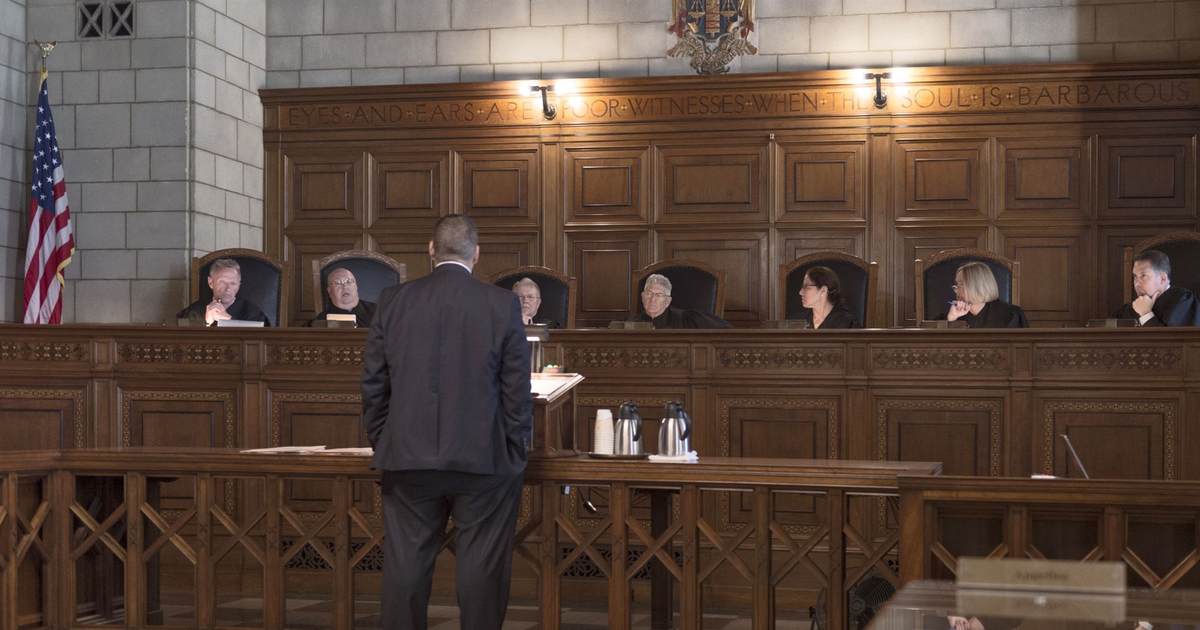
This week, he took his case to the Nebraska Court of Appeals.
His attorney argued that his client should have received a lighter sentence because of his age at the time — and called into question whether Gach even pulled the trigger.
Gach’s cellphone apparently disconnected from the Bluetooth in the vehicle his group was in before the shooting.
That block of facts is stark: a 15-year-old killing a 59-year-old veteran, an 87-year sentence, and an appeal focused on age and dispute over who pulled the trigger. Those details matter because they show how the justice system weighs evidence, culpability, and the community’s need for safety. Courts should consider age, but not to the point of erasing accountability for brutal acts.
We already have too many examples of leniency feeding more violence. When the system repeatedly slaps dangerous people on the wrist, the message is clear: act violently and you might get off easy. That calculation is deadly for innocent people who had no role in these offenders’ lives until they were harmed by them.
Putting dangerous offenders behind bars for long terms protects potential victims and buys time for true rehabilitation to happen, if it ever does. Decades in prison remove the immediate threat from the street, and that matters to families who sleep at night hoping their neighborhoods are safe. Tough sentences are not about vengeance; they are about protection and deterrence.
Nebraska’s Court of Appeals can either back prosecutors and judges who impose long sentences for the worst crimes or it can signal leniency that may become a trend. The choice will affect how judges sentence violent repeat offenders and how prosecutors decide to pursue cases. Courts should prioritize public safety and the rights of victims alongside any consideration of youth.
The real test is whether judges will treat violent repeat behavior as the clear and present danger it is, or whether they will bend toward theories that minimize culpability. Those decisions shape community safety for years. The question is: will it?