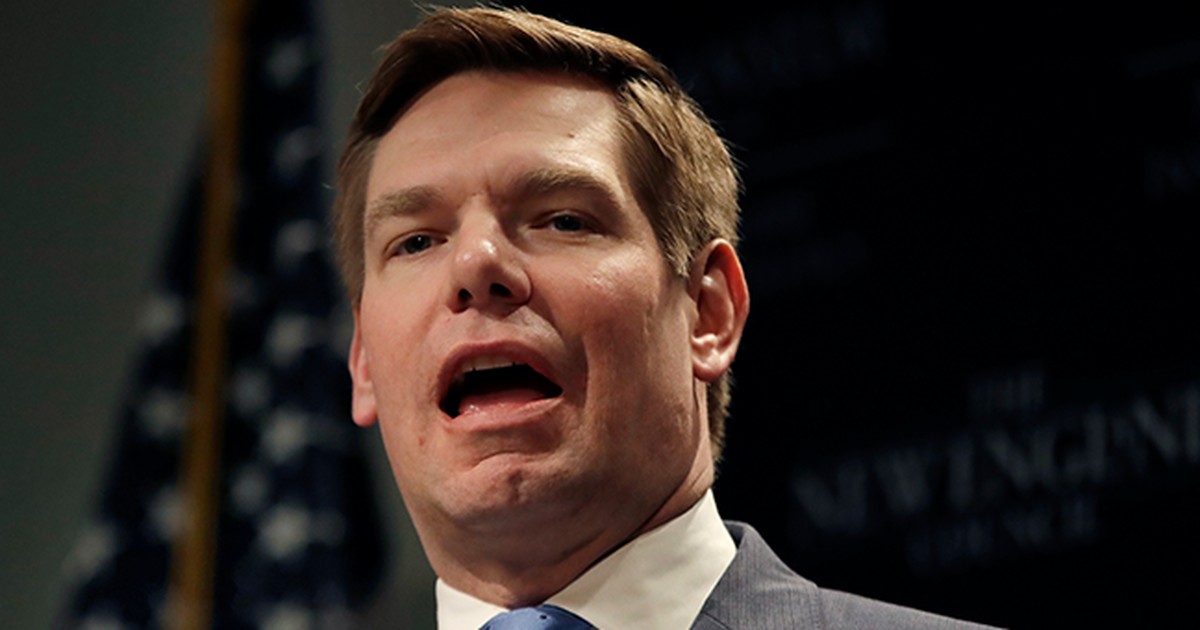
Rep. Eric Swalwell is facing a storm of sexual misconduct allegations that erupted after a local report, and his terse video response has done little to calm the fallout; multiple women have come forward, some former staffers, and party leaders are publicly urging him to step away from the governor’s race.
A fresh report from the San Francisco Chronicle set off a firestorm by relaying a disturbing sexual assault claim against Rep. Eric Swalwell. That allegation came from a former staffer and quickly spread beyond activist circles into wider political conversation. Swalwell denies the charge, but the report triggered follow-up accounts and scrutiny that have not gone away.
Since the initial story broke, several other women have stepped forward with allegations of inappropriate behavior, and at least some of them are not anonymous sources. Those details matter because they change this from rumor to a set of concrete accusations tied to identifiable people. The presence of former staffers among the accusers intensifies ethical and power-dynamic concerns about how he behaved in office.
Hear it directly from me. These allegations are flat false. And I will fight them. pic.twitter.com/bQSlCquD1U
— Rep. Eric Swalwell (@RepSwalwell) April 11, 2026
For a movement that has spent years holding powerful people to account, MeToo now faces a test: how will activists and party leaders respond when one of the loudest anti-Trump voices is the subject of the allegations? The optics are ugly and the politics are immediate, because Swalwell built part of his profile on moral outrage and media-ready condemnations. Expect scrutiny not just of the facts but of the accountability mechanisms within the party.
Swalwell posted a video to address the accusations, but the clip did little to defuse skepticism. He denied the claims, acknowledged vague past personal mistakes, and framed some issues as matters between him and his wife, a line that reads as both a private defense and a dodge. Saying the primary “isn’t next week” misses the point that voters and donors move fast, and Election Day in June is the real deadline everyone is watching.
Political consequences arrived quickly. Rival Democrat Katie Porter publicly urged Swalwell to withdraw from the governor’s race and to step back from public life entirely, and Tom Steyer made the same demand. House leaders Hakeem Jeffries and Nancy Pelosi also joined calls for him to bow out, and several endorsements evaporated almost immediately. That cascade of withdrawals and pressure has left the campaign barely recognizable as a functioning bid.
The erosion of support points to a basic political reality: allegations of this nature are toxic for a candidate, regardless of party. Fundraising dries up, volunteers get nervous, and the narrative shifts from policy to personal conduct. For a Democrat trying to run for statewide office in a competitive environment, those dynamics are especially damaging.
Beyond the immediate campaign damage, these revelations raise questions about vetting and standards within the party. How did multiple complaints, if they existed earlier, get handled? Voters deserve to know whether internal processes were followed and whether complaints were escalated or dismissed. The party’s response will speak loudly about its commitment to accountability versus political convenience.
Swalwell insists he will remain in the race for now, but the practical reality is harsh: when endorsements vanish and party leaders publicly distance themselves, the machinery that runs a credible campaign grinds to a halt. Legal and ethical reviews can take months, but politics moves faster; public trust and donor confidence are fickle and often irreversible. If Swalwell wants to salvage anything, the path will require transparent answers and a level of candor beyond a short video.
At the very least, this episode will test whether party leaders and activists treat allegations with consistent seriousness, regardless of which side of the aisle the accused occupies. Voters watching the fallout will be deciding not just on one campaign but on whether the system enforces basic standards of conduct. That, more than any spin, could determine how this story plays out in the weeks leading to June’s ballot and beyond.