Douglas Murray pushed back hard when Bill Maher tried to write off Operation Epic Fury as a failure, arguing the mission achieved clear strategic wins even as questions about an exit or off-ramp remain at the center of the debate.
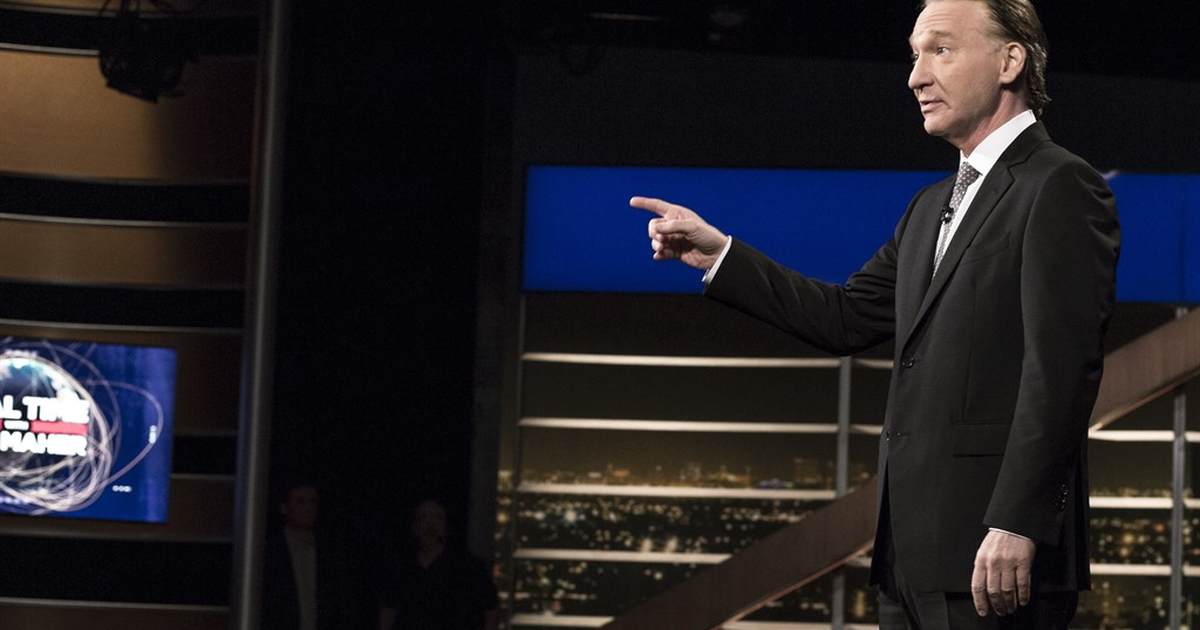
On national television, Bill Maher dismissed Operation Epic Fury as a flop, but Douglas Murray responded with a starkly different reading of events on the ground. Murray framed the campaign as a decisive set of blows that changed the calculus of the adversary, while Maher pressed the familiar worry about how and when the United States should disengage. That tension — victory vs exit strategy — is the running theme of the exchange and what followed in commentary.
MAHER: We did it, and it didn’t work.
Douglas Murray just shattered the “failure” narrative with receipts after Bill Maher declared the Iran operation a disaster and called for the U.S. to “cut and run!”
MAHER: “We did it and it didn’t work.”
“Now what? Do we cut and run or do we stay the course?”
“I hope Donald… pic.twitter.com/uZZgRdX19l
— Overton (@overton_news) April 11, 2026
Now what? Do we cut and run, or do we stay the course? I hope Donald Trump is the abandoner he’s always been.
We always cut and run!
We did it in Vietnam, we did it in Iraq, we did it to the Kurds, we did it in Afghanistan, we did it in Beirut. That’s us. No lifeguard on duty.
If you get in with us, we are going to fck you, and that’s Donald Trump. He’s an ashole but he’s our a*shole. Murray pushed back with a blunt assessment of what he says actually happened on the ground:
MURRAY: I disagree because I think once started, you have to finish this.
I don’t agree that it’s failed. It’s been an incredibly successful operation in lots of ways.
Supreme leader dead, Iranian air force destroyed, nuclear sites attacked again. The Navy of Iranian Revolutionary government at the bottom of the ocean. These are not small things. It’s not the case that the Iranian Revolutionary government has come out of this well.
I know that some people are wanting to say that after four to six weeks of war, this is some kind of loss for America.
It isn’t.
It’s an amazing strategic success but everyone wants to know what the out is.
Maher’s instinct on intervention is shaped by a long record of skepticism about open-ended military commitments, and that instinct was on display as he listed past American withdrawals to suggest a pattern. Murray, speaking from a more hawkish angle, rejected the idea that the recent operations amount to strategic failure, insisting instead that important objectives were met. In Washington terms, that puts pressure on policymakers to explain how gains are converted into a durable advantage without needless further escalation.
Maher isn’t an automatic ally of conservative views, but he has long been willing to challenge the left on issues like ideological conformity and cultural excess, which is why his critiques sometimes land awkwardly with the media elite. He runs a podcast and talks to people across the spectrum, upsetting those who prefer ideological purity and closed conversation. That openness is controversial on the modern left because it undermines the kind of groupthink that keeps policy debates narrow and insulated from challenge.
Maher has also been outspoken about Islam in ways that have drawn sustained attention, and his statements on the subject were reiterated during the exchange. Where’s the lie there? That rhetorical question captures the tone Maher brought to his criticisms, even as Murray’s rebuttal focused on concrete battlefield results rather than cultural critique. The contrast between cultural argument and strategic assessment framed much of the back-and-forth.
Murray’s point was blunt: once a military action is underway, the costs and benefits must be assessed on whether it achieved decisive effects, and by that measure this campaign produced serious blows to the adversary’s ability to project power. Those claims raise immediate operational questions — how to secure gains, how to prevent a rebound by the enemy, and how to avoid a drift into occupation or endless engagement. The political consequence is that leaders who favor using force must also offer credible plans for what follows, not just praise for strikes and raids.
From a Republican viewpoint, the exchange underscored a recurring divide in American politics between skepticism about intervention and an appetite for strong, clear results when force is employed. Critics who reflexively declare failure after a short campaign risk missing the point when tangible damage has been inflicted on an adversary’s military infrastructure. Supporters of decisive action need to be ready with a strategy to protect those gains and to make sure tactical success does not dissolve into strategic ambiguity.
The dispute on television crystallized the core question that will play out in public and inside the White House: how do you translate battlefield successes into a stable outcome without overcommitting? That debate will shape both how the administration explains its choices and how voters judge leaders who wage and then manage modern conflicts.