The talks in Pakistan over the Strait of Hormuz have centered on a simple, uncomfortable fact: Iran cannot reliably reopen the waterway because it cannot find or remove the mines it scattered there, and that reality changes the leverage, the risk, and the response options on the table.
The Strait of Hormuz has become the live issue in recent negotiations in Islamabad between Iranian envoys and a U.S. delegation led by Vice President JD Vance with Jared Kushner and Steve Witkoff in tow. What was open, then closed, has sat in limbo while tankers and insurers judge the risk of moving oil through the choke point. That uncertainty drives prices, complicates diplomacy, and hands Tehran leverage it did not have before the mines went in.
Reports make the problem blunt: the mines are scattered, some were placed without precise records, and others drifted after being set. Tehran has acknowledged gaps in its awareness of where every mine rests, leaving the waterway unsafe for regular traffic. For anyone paying attention, this is less about bravado and more about a practical inability to clear what they laid.
Iran has been unable to open the Strait of Hormuz to more shipping traffic because it cannot locate all of the mines it laid in the waterway and lacks the capability to remove them, according to U.S. officials.
The development is one reason Iran has not been able to quickly comply with the Trump administration’s admonitions to let more traffic pass through the strait. It is also potentially a complicating factor as Iranian negotiators and a U.S. delegation led by Vice President JD Vance meet in Pakistan this weekend for peace talks.
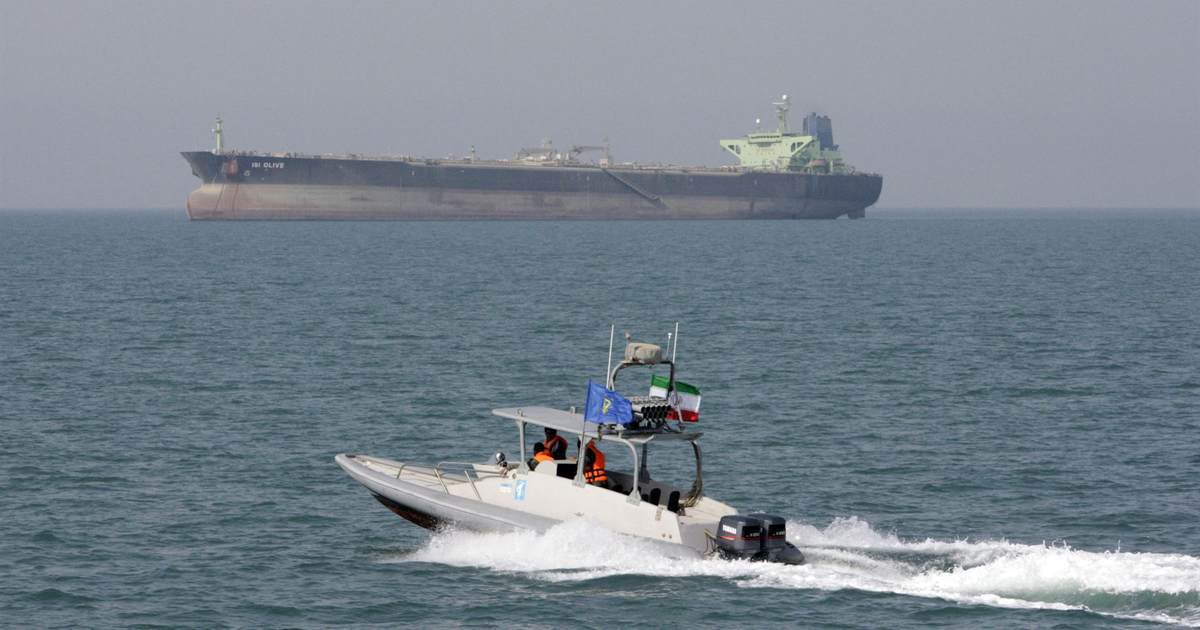
Iran used small boats to mine the strait last month, soon after the United States and Israel began their war against the country. The mines, plus the threat of Iranian drone and missile attacks, slowed the number of oil tankers and other vessels passing through the strait to a trickle, driving up energy prices and providing Iran with its best leverage in the war.
Iran left a path through the strait open, allowing ships that pay a toll to pass through.
[…]
Those routes are limited in large part because Iran mined the strait haphazardly, U.S. officials said. It is not clear that Iran recorded where it put every mine. And even when the location was recorded, some mines were placed in a way that allowed them to drift or move, according to the officials.
As with land mines, removing nautical mines is far more difficult than placing them. The U.S. military lacks robust mine removal capabilities, relying on littoral combat ships equipped with mine sweeping capabilities. Iran also does not have the capability of quickly removing mines, even the ones it planted.
That blockquote lays out why the Strait cannot be treated as simply openable on demand. From a Republican perspective, the answer is not patient appeals to goodwill but a clear strategy that reduces risk and reasserts control. The United States and partners have to ensure commercial lanes are safe and credible, which means clearing mines and deterring further attacks that threaten global energy flow.
Some policymakers will talk about sanctions relief, concessions, or negotiated timelines. Those are options for diplomats to discuss, but they do not remove underwater explosives or stop drones from harassing shipping. Practical security must be the baseline of any agreement, not an afterthought that leaves allies and markets exposed to another surprise shutdown.
Reopening the strait without fixing the mine problem would be a gamble. Insurance rates, private shipping decisions, and national energy planning all respond to perceived safety. If the waterway remains a dice roll because unknown mines lurk beneath the waves, commerce will find alternatives, and global markets will keep pricing that risk into every barrel.
Operationally, mine clearance is slow, technical, and dangerous work that neither Iran nor the U.S. can snap into place overnight. The U.S. Navy has limited dedicated mine countermeasure assets and depends on specialized ships and crews. That technical gap means any short-term reopening claim should be met with skepticism until verified, repeatable safe transit is demonstrable.
The negotiations in Islamabad matter because they create a forum to convert ambiguity into verifiable commitments, and because they force a hard conversation about who will do the heavy lifting. Will Iran be allowed to claim reopening while keeping control through tolls and threats, or will the United States and partners insist on uncontested freedom of navigation backed by real, physical safety measures? The distinction matters for allies and for global energy stability.
On balance, the path forward that protects American and allied interests is straightforward: insist on verifiable mine clearance, maintain credible deterrence against follow-up attacks, and support commercial confidence through demonstrable safety measures. Diplomacy can and should follow, but not replace, the basics of maritime security that make trade possible.