The vice president returned from a 21-hour negotiation session and reported no deal, laying out firm U.S. demands and explaining why talks collapsed while political and military pressure continued around the Strait of Hormuz.
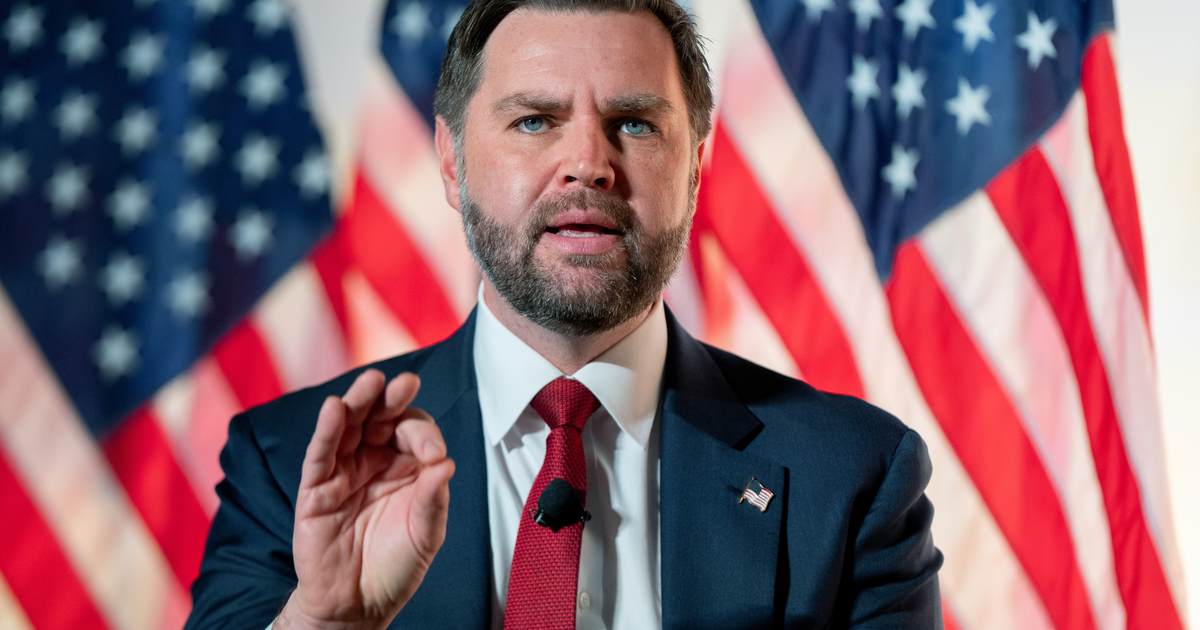
After 21 hours at the table, Vice President JD Vance walked out and told reporters we came up empty. He stood by a hardline posture and made clear that sitting across from Tehran did not soften America’s stance, and two high-profile aides were there but remained silent. The scene underscored a negotiation that ended without concessions and without the usual equivocation.
“We just could not get to a situation where the Iranians were willing to accept our terms. I think that we were quite flexible. We were quite accommodating,” the vice president said. That line was blunt and deliberate, painting the talks as a one-sided test of resolve where the U.S. bent but Iran refused to meet basic expectations. The message was straightforward: flexibility is not weakness, and our patience has limits.
JD Vance: The bad news is that we have not reached an agreement. And I think that's bad news for Iran much more than it's bad news for the United States of America. They have chosen not to accept our terms. pic.twitter.com/pgm2BEtPPP
— NewsWire (@NewsWire_US) April 12, 2026
Vance stressed that America presented clear red lines and that crossing them would draw more than rhetoric in response. He refused to negotiate live in public after long private sessions, signaling that future moves will be deliberate and not theater. The administration framed its offer as a last reasonable opening, not an invitation to keep bargaining forever.
We leave here with a very simple proposal, a method of understanding that is our final and best offer. I won’t go into all the details, because I don’t want to negotiate in public after we negotiated for 21 hours in private, but the simple fact is that we need to see an affirmative commitment that they will not seek a nuclear weapon, and they will not seek the tools that would enable them to quickly achieve a nuclear weapon.
The vice president also made clear that walking away with no deal leaves Pakistan and the region on edge, and that outcome is especially bad for Tehran. U.S. negotiators said they even offered a generous package on civilian nuclear energy before Operation Epic Fury began, but Iran declined. That refusal looked less like principle and more like delay tactics to regroup and rearm.
While the talks dragged on, the U.S. Navy moved into the Strait of Hormuz and started mine-sweeping operations to secure shipping lanes and send a clear signal of capability. Officials noted that efforts to reopen the strait were complicated by hostile activity and lapses in accountability from Iranian forces. The reporting that the IRGC “forgot where all their mines were” was met with scorn and written off as either incompetence or a cover story.
Vance left on Air Force Two after delivering the update, a quick exit that matched the tone of the briefing: businesslike and uncompromising. This was meant to show the administration doesn’t indulge in theater; it acts. That posture will matter in the weeks ahead as the White House weighs whether to lean harder on diplomacy, sanctions, or other tools.
The collapse of these talks raises immediate questions about how the U.S. will press Iran without crossing into wider conflict, and it shows why firm deterrence matters. Republican leadership in this moment will favor tough clarity over wishful thinking, keeping pressure on Tehran while protecting allies and commercial shipping. Expect more blunt public statements and calibrated operational moves until Iran proves it will live within the bounds the U.S. demands.