Two members of Congress announced departures in quick succession, with Republican Rep. Tony Gonzales saying he will retire “tomorrow morning” shortly after Democrat Rep. Eric Swalwell revealed his resignation, both exits tied to sexual misconduct allegations that have reshaped local contests and political pressure around them.
Just after Eric Swalwell made public his plan to leave the U.S. House, Tony Gonzales said he would follow by retiring from his seat “tomorrow morning.” The timing raised eyebrows across both parties because the departures came amid intense scrutiny and fast-moving political fallout. Voters and colleagues on Capitol Hill noticed how swiftly momentum shifted once high-profile resignations began to stack up.
Both members had faced serious sexual misconduct allegations and growing calls to go. Gonzales was accused of making undesired advances toward one female staffer and of having engaged in an affair with another in an ordeal that led to her eventual self-immolation. Those charges, combined with mounting media attention, put sustained pressure on his standing in Washington and back home in Texas.
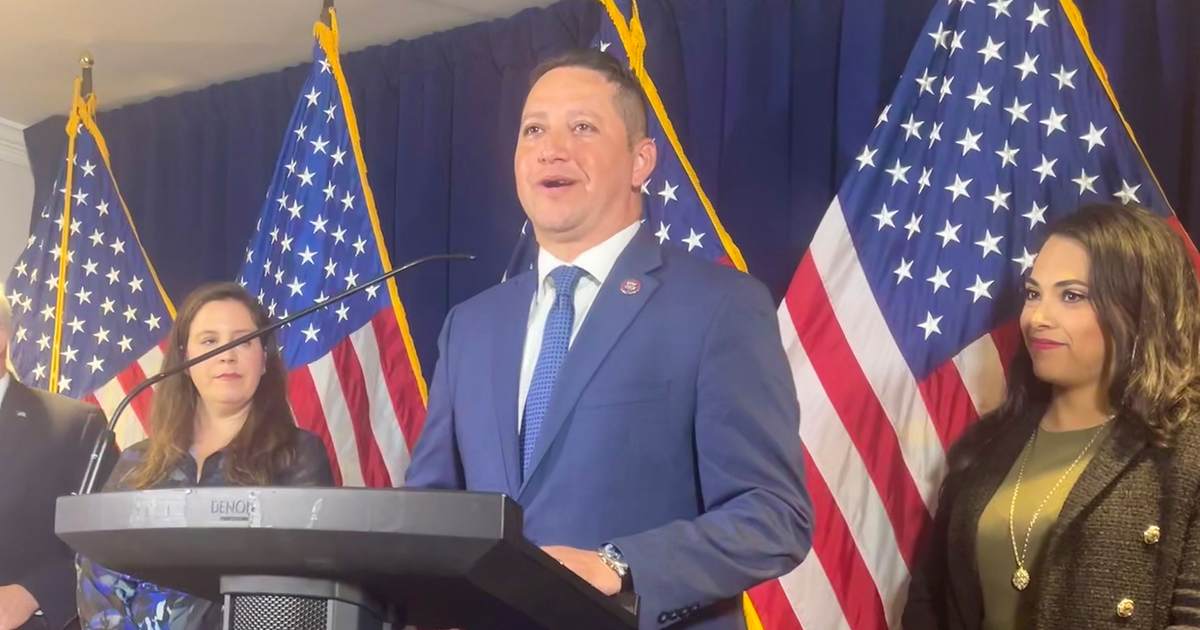
There is a season for everything and God has a plan for us all. When Congress returns tomorrow, I will file my retirement from office. It has been my privilege to serve the great people of Texas.
— Rep. Tony Gonzales (@RepTonyGonzales) April 13, 2026
The sequence of announcements seemed to feed on itself, with Swalwell’s resignation amplifying calls for accountability and increasing scrutiny of Gonzales’s future. Swalwell had already ended his bid in California’s gubernatorial race before declaring he would exit the U.S. House, which changed the media narrative and intensified political consequences. When a high-profile Democrat departs under a cloud, it narrows the room other lawmakers have to resist similar pressure from constituents and party leaders.
Gonzales had previously suspended his re-election campaign as it became clear his path to victory in the run-off primary against firearms YouTuber Brandon Herrera was shrinking. That suspension came after internal polling and public momentum shifted, and the resurfacing allegations left his campaign with few obvious options. With the runoff tightening, retirement felt like the end of a quickly deteriorating political lane.
From a Republican perspective, these developments underscore the importance of vetting and swift accountability. Voters deserve representatives who meet ethical standards, and when allegations of serious misconduct surface, parties must respond decisively. Conservatives watching these events see both a challenge and an opportunity to insist on higher behavior while pushing for candidates who prioritize local issues and effective representation.
The practical fallout will be immediate: vacancies will have to be addressed, local organizations will scramble to recruit credible nominees, and donor networks will reassess where to put their bets. In districts where runoffs were already looming, the sudden change complicates planning and can open the door for outsiders and insurgent candidates. Republicans expect to capitalize on weaknesses and offer alternatives focused on security, the economy, and government accountability.
Political operatives also note the media dynamic at play: once one high-profile lawmaker departs, attention accelerates toward others under similar scrutiny. That pattern forces faster decisions, and elected officials weigh the damage to party messaging and the risk of prolonged distractions. For Republicans, minimizing scandal-related distractions helps keep the focus on policy battles heading into the next cycle.
Local leaders in Texas and California will now manage the fallout, balancing constituent expectations with the legal and political realities of an abrupt transition. Community members want clear answers and a path forward that restores trust in representation. The coming days will reveal who steps up to contest these seats and whether the GOP can convert the chaos into a disciplined message about integrity and leadership.
In short, the near-consecutive announcements from Swalwell and Gonzales did more than remove two lawmakers; they accelerated a conversation about standards, candidate selection, and how parties react when trust breaks down. Republicans will press for accountability and use the moment to contrast their approach to ethics and governance. Watchers in both parties know this episode will reverberate through upcoming primaries and local power calculations.