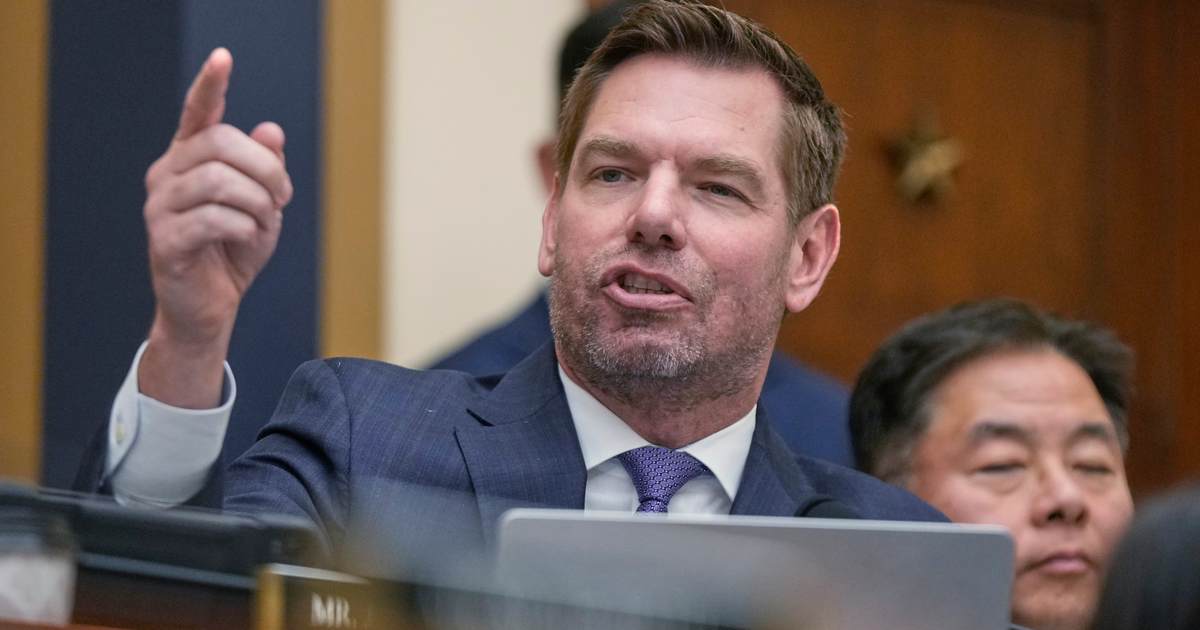
Quick take: a lawyer’s poor CNN performance made a bad situation worse for Eric Swalwell, highlighted contradictions in the defense, and underscored why the allegations and fallout mattered.
I’ll give a hat tip to CNN. The Sunday interview with Eric Swalwell’s attorney played out like a case study in how not to defend a client on cable news, and it only amplified the damage to a collapsing political career.
On April 11, CNN’s Elex Michaelson interviewed Elias Dabaie, and the exchange went sideways fast. Dabaie appeared distant and unready, offering explanations that did not hold up under questioning and leaving viewers with more confusion than clarity.
CNN’s Elex Michaelson put on a journalistic masterclass interviewing Eric Swalwell’s attorney, Elias Dabaie,
Eric Swalwell’s attorney, Elias Dabaie on the other hand may be the worst attorney on the planet or a mole for Katie Porter’s campaign because dude did not help at all. pic.twitter.com/PBsJqCukFn
— Kevin Dalton (@TheKevinDalton) April 11, 2026
Dabaie pushed the idea that internal party politics and machinations explained the loss of endorsements and momentum, framing it as a coordinated move to protect the Democratic primary field. Michaelson challenged that logic, pointing out that some of Swalwell’s close allies still publicly supported his campaign, which undermined the narrative Dabaie tried to sell.
The attorney also downplayed evidence and insisted allegations were baseless while steering away from specifics. Michaelson flagged instances that contradicted Dabaie’s line, and when pressed about direct communications and legal notices the interview returned to evasive answers rather than concrete rebuttal.
That avoidance matters. When there are cease-and-desist letters and named complainants, the argument that everything is anonymous falls apart. The public sees the paper trail and the people involved, and a posture of denial without substance raises more doubts than it settles.
One allegation in particular, that a staffer accused Swalwell of raping her twice, was central to the story and not something easily dismissed as rumor. Claims like that, tied to former staff, change the stakes dramatically and demand a robust, transparent response from any legal team that hopes to restore credibility.
The optics of a lawyer who sounds unprepared are brutal in politics. Voters and donors watch how a candidate’s defense holds up in public, and if the legal pushback is sloppy, the political damage accelerates. In this case, the interview looked less like damage control and more like damage amplification.
Republicans and independents watching saw a pattern: an embattled Democrat with shrinking support and an attorney failing to explain the unraveling. That’s the reality of public accountability—when explanations don’t land, the consequence is often swift and unforgiving.
Swalwell’s campaign collapse was predictable once endorsements evaporated and the resignations began. He quit his gubernatorial campaign and resigned from Congress, decisions that reflected the political reality his team could not fix in public view.
The fallout will be used as a cautionary tale by candidates and lawyers alike: preparedness matters more than spin. A tight, evidence-backed response is what calms voters; vague accusations of conspiracies do not.
For Republicans watching the story, it reinforced a simple point about accountability and optics. When a politician faces serious accusations and the defense falters publicly, the system of political consequences is designed to sort that out quickly.
This episode also showed how media scrutiny serves as a filter for accountability. National interviews expose contradictions, force answers on the record, and let the public judge whether responses match up with known facts. In this case, the attorney’s performance did not close that credibility gap.
Republican critics will keep using this as an example of both the legal and political missteps that can end a career. The larger lesson is clear: in high-stakes moments, competence on the air and clarity in the facts are the only things that can contain reputational damage.