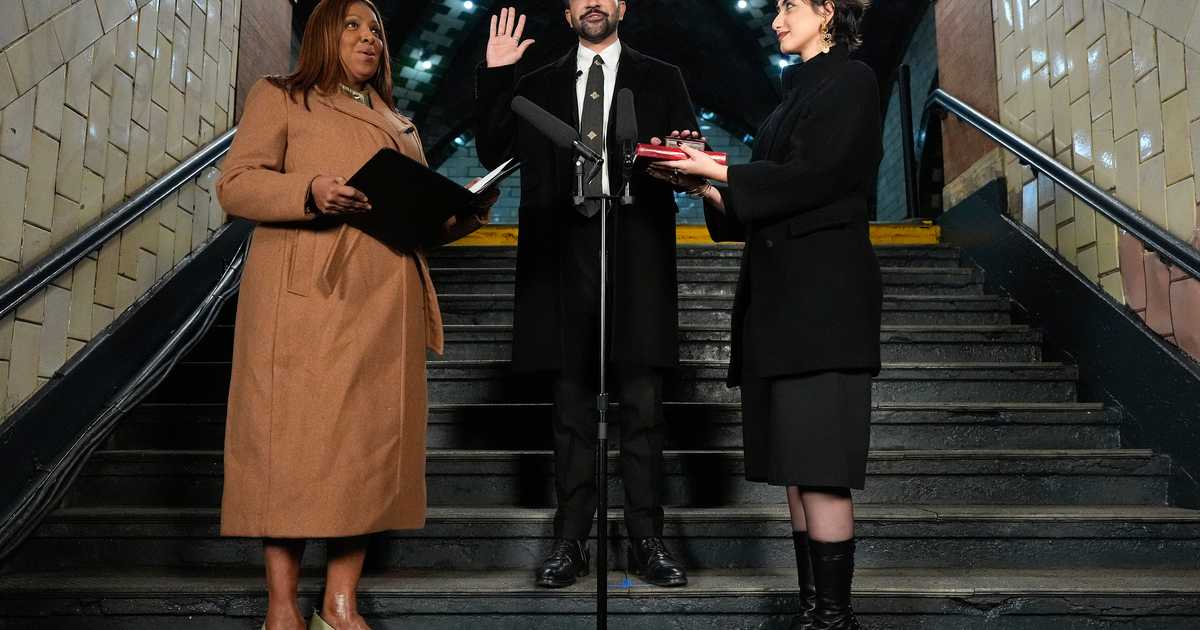
Mayor Zohran Mamdani rolled out a pied-à-terre levy aimed at nonresident owners of luxury New York property, claiming it will raise hundreds of millions for city services, while critics warn the tax risks driving capital and jobs away and leaving projections unmet.
Zohran Mamdani announced a new annual fee targeting high-end units valued over $5 million that are not occupied full time, framing it as a way to make wealthy property owners contribute more to city budgets. The proposal arrives amid talk of a mayor determined to follow through on his democratic socialist pledges, and it zeroes in on owners who maintain a stake in New York real estate while living elsewhere. Supporters point to iconic sales and idle penthouses as proof the wealthy soak up local advantages without daily participation in the city’s economy. Opponents say the move will backfire and accelerate an exodus already underway.
“When I ran for mayor, I said I was going to tax the rich,” Mamdani said Wednesday. “Well today, we’re taxing the rich.”
BREAKING: Mamdani announces new tax on all property worth over $5 million if the owner doesn’t live in NYC full time pic.twitter.com/qN7pU3xEDg
— Libs of TikTok (@libsoftiktok) April 15, 2026
“I’m thrilled to announce we’ve secured a pied-à-terre tax, the first in New York’s history,” he said. “This is an annual fee on luxury properties worth more than $5 million, whose owners do not live full-time in the city. Like for this penthouse, which hedge fund CEO Ken Griffin bought for $238 million. This pied-à-terre tax is specifically designed for the richest of the rich, those who store their wealth in New York City real estate, but who don’t actually live here. But even so, they’re able to reap the huge financial rewards of owning property in, dare I say, the greatest city in the world.”
“And most of the time, these units are sitting empty, since again, they don’t actually live here,” he added. “This is a fundamentally unfair system that hurts working New Yorkers. Now, it’s coming to an end. This tax will raise at least $500 million directly for the city. It’ll help fund things like free child care, cleaner streets, and safer neighborhoods. As mayor, I believe everyone has a role to play in contributing to our city. And some, a little bit more than others. Happy Tax Day, New York.”
From a conservative standpoint, the proposal looks less like practical revenue policy and more like a political trophy. A tax designed to hit absentee owners might sound good in a campaign clip, but taxes shape behavior—and when the behavior they incentivize is moving capital and residence out of the city, the consequences are predictable. New York depends on investment, finance, and construction; penalizing the very people who fund those activities risks a slower market and fewer jobs over time.
Critics were swift and blunt in their reactions to the announcement, arguing the mayor misunderstood how wealthy taxpayers respond. “If someone wants to buy a $5M apartment and leave it empty, that’s their property, their choice—not yours to prey on because you need more revenue for failing socialist experiments,” the American Libertarian Party’s official X account wrote.
“Every time you ‘tax the rich,’ capital flees, property values drop, construction halts, jobs vanish, and the tax base shrinks. We’ve seen it in city after city. The ultra-wealthy don’t stay and pay—they leave. The middle class gets stuck with the bill. The empty luxury units you hate will stay empty longer because you made ownership toxic. This ‘progressive’ tax is proof that socialists like you view citizens as ATMs, not free individuals.”
Practical problems multiply when you look past the sound bites. Wealthy owners can restructure holdings, buy slightly cheaper units outside the $5 million threshold, or shift ownership to entities that complicate enforcement. They can also rent their units long term or spend less time in the city, all of which reduces the expected tax take. If assumed compliance is optimistic, the projected $500 million could be far off target.
There are also legal and administrative knots city hall will have to untangle. Valuation disputes, residency definitions, and cross-jurisdictional ownership are fertile ground for lawyers and delay. The city will face appeals and potential litigation if owners claim the levy infringes on property rights or treats nonresidents unfairly compared with full-time residents.
Beyond immediate revenue questions lies the bigger question of long-term competitiveness. New York competes with other global cities for people, firms, and capital. When a local government signals it will levy special taxes on wealth, those making high-dollar location decisions take notice. That can mean fewer new developments, slower price appreciation, and a weaker environment for high-paying jobs that benefit workers across the income ladder.
Policymakers who want sustainable funding for services should think about growth and stability, not one-off grabs that invite avoidance. If the goal is stronger neighborhoods and better services, the focus needs to be on making the city more attractive to earners and employers, not erecting additional penalties that encourage them to look elsewhere. For critics and voters alike, the real test will be whether this tax raises the money Mamdani promises without triggering the economic ripple effects his opponents warn about.