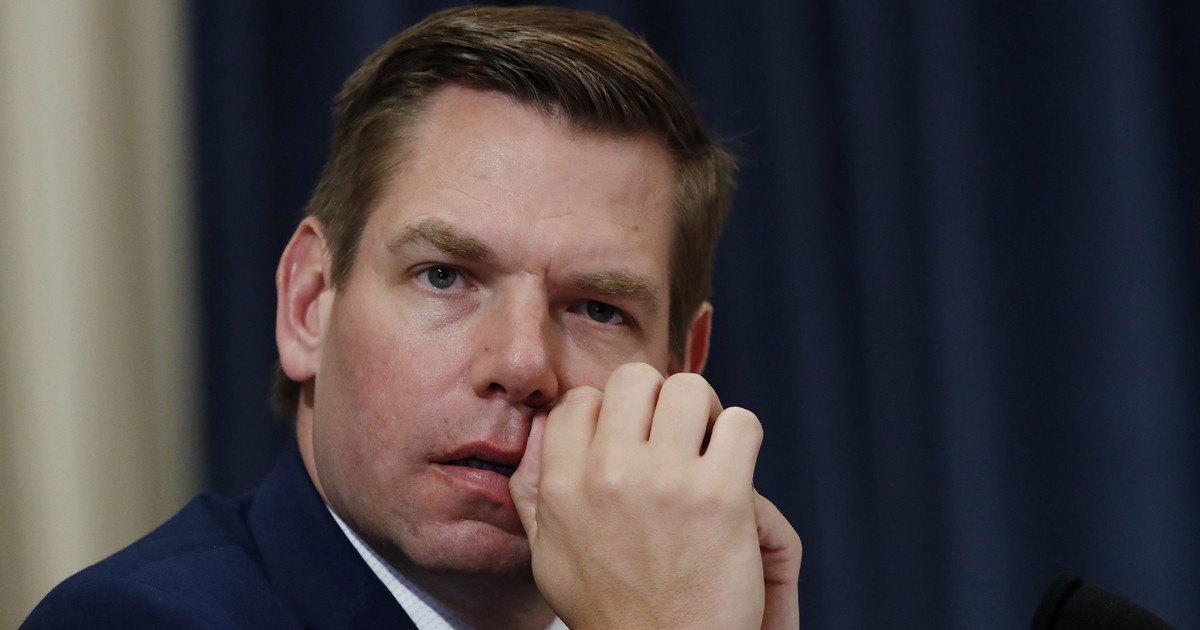
A concise look at the controversy around Eric Swalwell, reporting choices by major outlets, and the fallout that followed.
Eric Swalwell’s political fall has been dramatic and fast, and it has left a long list of questions about how the media handled reports from years ago. Once viewed as a rising Democratic figure, he has seen serious allegations surface that forced him out of a major race and triggered official inquiries. The swirl of claims and the pace of events have exposed fissures in political accountability and newsroom judgment.
For years, Swalwell held a public profile that suggested steady upward momentum within his party, backed by press attention and committee assignments. That image began to crack as multiple women went public with accusations of sexual misconduct and rape, allegations that ultimately led him to withdraw from the California governor’s contest. The Justice Department has since opened an inquiry into at least one of those allegations, adding an institutional layer to the story.
What makes this episode striking is not just the accusations themselves but the impression that earlier reporting may have been muted or delayed. Observers point to reporting from 2019 that suggested knowledge of problematic behavior, and critics argue that outlets chose not to press harder before Swalwell’s public profile expanded. The perception that stories were shelved or softened has generated anger across the political spectrum.
One note on the Swalwell stuff – (this isn’t confirmed) but a reporter with Politico was working on verifying the rumors on Swalwell when he was running for President. (he’s no longer with the publication) Two days before he was scheduled to sit down with this reporter Swalwell…
— Michael Trujillo (@mikehtrujillo) April 16, 2026
Everyone knew. That sentence captures the sense of bewilderment many feel about how a rising politician could go unchecked if contemporaneous warnings existed. When media organizations appear to sit on damaging material, it creates the impression of selective enforcement and protection for favored figures. Critics say that pattern erodes trust in both institutions and the individuals they cover.
Politico in particular has been singled out by commentators who say it had material in hand during a pivotal moment but did not publish it in a way that altered Swalwell’s immediate trajectory. By the time certain pieces were reportedly ready, Swalwell had already stepped out of another national contest, which left critics asking whether the timing was convenient. Whether that was a newsroom decision or a string of editorial misjudgments, readers deserve clear explanations.
The consequences for Swalwell were swift once the allegations gained traction: withdrawal from the governor’s race and a major reputational collapse. The legal and political fallout continues as investigators and opponents sort through competing accounts. While some allies defended him early on, the accumulation of accusations and the federal probe have shifted the balance of political support.
Republicans and conservatives argue this episode exposes a broader media double standard when it comes to powerful Democrats. They say the pattern is not isolated and that uneven reporting helps shield allies while grinding down opponents. Those complaints feed into a wider narrative about bias, influence, and the role of journalism in policing public life.
At the same time, independent observers note the practical challenges reporters face: corroborating claims, protecting sources, and navigating legal risks can delay or alter coverage. Editors must weigh public interest against the danger of publishing unverified allegations, and that tension shapes how and when stories appear. But when delays look systematic, skepticism grows faster than explanations.
Swalwell’s case also highlights the political damage that stems from personal misconduct allegations, regardless of party. When accusations involve elected officials or candidates, the political calculations become immediate—campaigns shift, donors hesitate, and colleagues distance themselves to avoid collateral harm. The rapid unraveling in this instance underscores how fragile political careers can be when trust breaks down.
Beyond the individual, the episode is a reminder that transparency matters. Voters expect consistency from outlets that set the national agenda, and they expect political parties to hold members to account. When either institution falters, citizens lose a measure of confidence in the system that is supposed to choose and oversee leaders.
The ongoing investigations and the public dialogue around Swalwell will likely produce further developments and verdicts from both courts and voters. Meanwhile, the debate over media responsibility and political accountability is already shaping how journalists and politicians operate. For a system built on scrutiny, that debate is healthy even if the process is painful.
Accusations alone do not equal guilt, and the legal standard remains distinct from political judgment. Still, the court of public opinion moves quickly, and in politics that speed can decide careers long before formal processes conclude. Many voters will now weigh Swalwell’s record against the new allegations as investigations proceed.