Senate Holds the Line on Temporary Protected Status for Haitians
The House moved to extend Temporary Protected Status to a large number of Haitian nationals, but the action faces a sharp roadblock in the Senate, where GOP leaders are not poised to approve a move that many Republicans see as de facto amnesty. Senate opposition centers on the principle that immigration policy must be orderly and enforceable, not a reward for mass, irregular migration that strains communities and workers. Expect lawmakers who prioritize border security and the rule of law to keep pushing back against any measure that sidesteps existing immigration processes.
In the House vote, a bloc that included more than a dozen Republicans broke ranks and supported a TPS extension that would cover hundreds of thousands, a decision that produced visible celebration on the floor as lawmakers declared a short-term political win. Those votes underscore a split inside the GOP over tactics and messaging, with some members favoring immediate relief and others warning about long-term consequences. The Senate, however, operates under different pressure points and has signaled it won’t simply mirror the House’s decision without broader agreement.
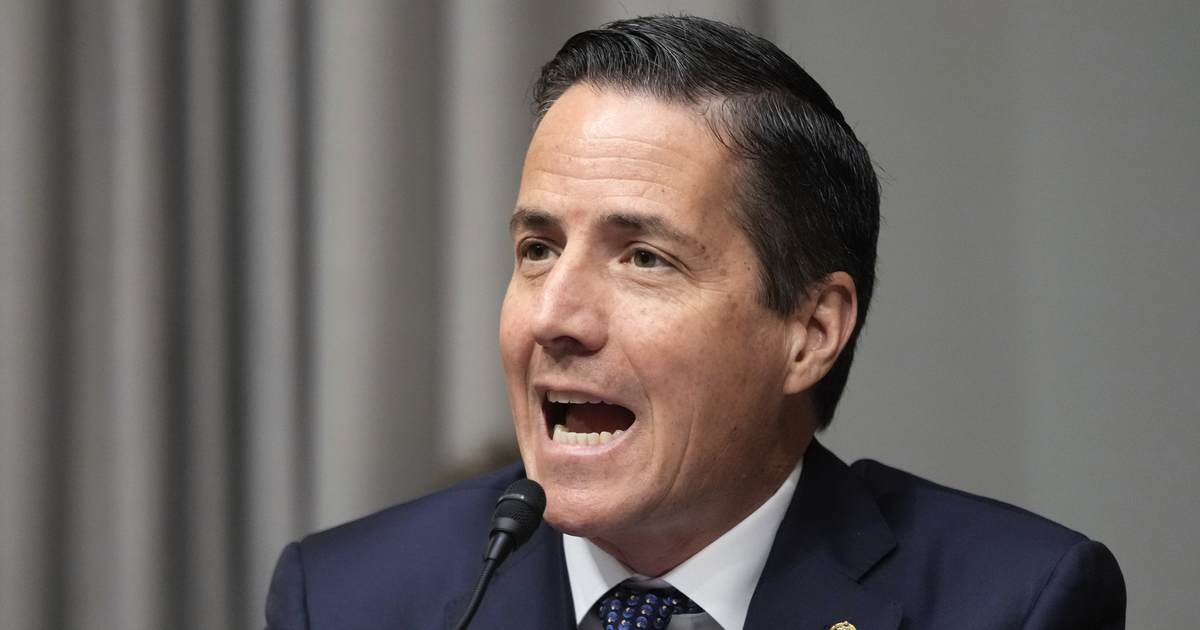
Sen. Bernie Moreno (R-OH) put the Senate position plainly to critics in the House and to anyone treating the move as an automatic fix, arguing that expanding TPS would undermine legal pathways and reward bypassing the system. His remarks were direct and uncompromising, delivered as a clear rebuke to the idea that congressional short-cuts should become policy. He framed the debate around protecting American workers, public services, and fiscal stability, insisting the Senate will not follow the House into what he called a mistaken policy choice:
It’s called TEMPORARY protected status (TPS) for a reason.
The Senate will not expand TPS. The House’s bill is an insult to the millions of people patiently waiting in line & a tacit approval of Biden’s border invasion where TPS became de facto amnesty. Republicans will not…
— Bernie Moreno (@berniemoreno) April 17, 2026
The Senate will not expand TPS. The House’s bill is an insult to the millions of people patiently waiting in line & a tacit approval of Biden’s border invasion where TPS became de facto amnesty. Republicans will not continue to allow wage suppressing illegal migration to destroy working Americans with high prices, healthcare shortages, housing scarcity, and degradation of our social safety nets.
The reaction from conservatives who oppose the House move has been swift, framed not as a lack of compassion but as a defense of process and fairness for those who follow the legal immigration route. From this perspective, sweeping TPS changes would set a precedent that encourages future irregular crossings and creates a magnet effect for smugglers and cartels who profit off chaotic borders. Senate Republicans argue they must consider the long-term fiscal and social costs — from strained hospitals to crowded schools and local budgets — not just the short-term optics of an emergency measure.
Supporters in the House say the situation in Haiti and the humanitarian stakes demand quick action, and they stress immediate protections for people who have already arrived and may face danger if returned. Opponents counter that humanitarian intent cannot substitute for durable policy, and that fixing the border and restoring lawful migration channels should be the priority before expanding protections that can be interpreted as permanent stay. That clash — urgent compassion versus systemic integrity — is driving the current impasse between the chambers.
For those watching the fight, the practical outcome looks clear: without Senate buy-in, the House’s celebration is likely to remain symbolic, and any final path will require compromise that addresses enforcement, interior removals, and legislative guardrails to prevent future mass irregular migration. Lawmakers who favor strict border enforcement are using the moment to press for tighter rules that they say will protect American wages and services while still allowing proper legal relief for those who qualify. The immediate political fallout will play out in both chambers, but for now the Senate’s stance is the dominant force shaping what comes next.