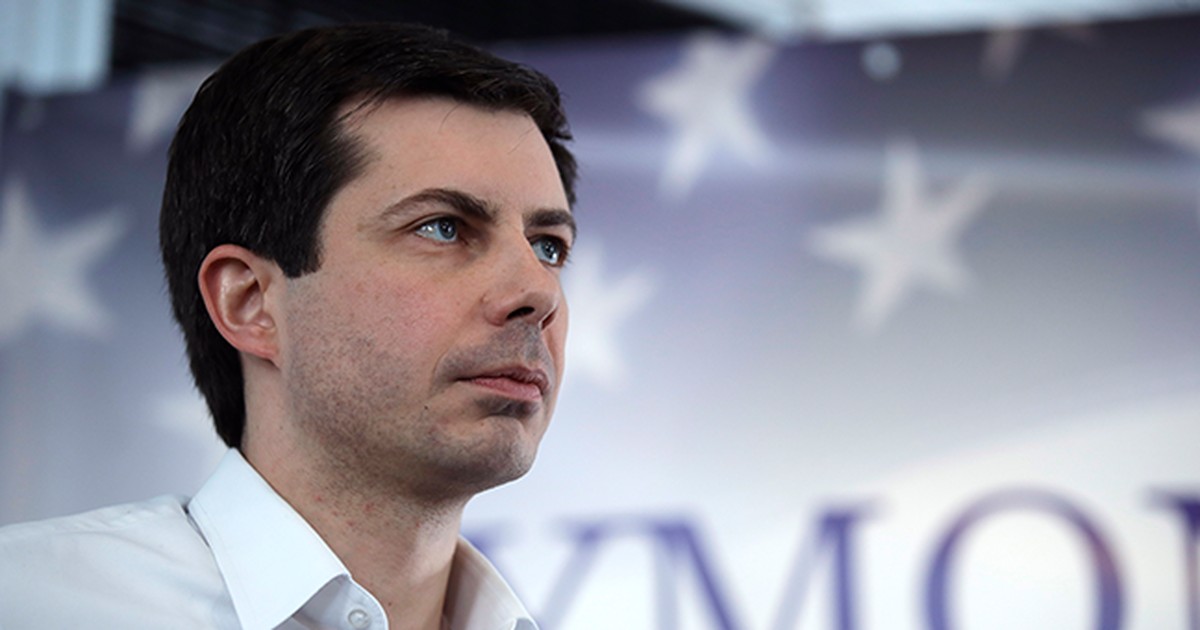
Pete Buttigieg faced an odd exchange at a Tulsa town hall where a voter warned of gay and transgender people being rounded up and sent to concentration camps, prompting a predictable Democratic rebuttal and a lot of eye rolls. The moment exposed a mix of genuine fear, media-driven panic, and the limits of Buttigieg’s appeal outside coastal liberal bubbles.
Former Transportation Secretary Pete Buttigieg, a figure still tied to debates over infrastructure, held a town hall in Tulsa, Oklahoma that drew attention for all the wrong reasons. The event looked like a profile-boosting stop more than a path to the White House, and many voters saw it that way. Showing up in a deep red area raised more questions than answers about his strategy and audience.
Picking Tulsa, one of the whitest states in the country, for a listening tour feels politically tone-deaf if the goal is to win broad Democratic support. Buttigieg’s identity and platform don’t automatically translate into traction with Black Democrats or voters in the South. Primary math still matters, and grassroots strength below the Mason-Dixon line is not something he has in spades.
The exchange that stole the headlines involved a voter who sounded genuinely terrified and a bit unmoored from reality, asking whether gay and transgender friends would be taken to concentration camps. That question, out of left field in a town hall setting, forced Buttigieg into the same set-piece responses Democrats use on culture fights.
Voter to Pete Buttigieg: “Every day I wake up scared because… I’m waiting for the day that they start banging on doors and taking our trans and our gay friends… to concentration camps.”
“I know that there’s nothing you can do about that, but if you could, what would it be?” pic.twitter.com/SQMNFOw015
— The Vigilant Fox 🦊 (@VigilantFox) April 20, 2026
“Every day I wake up scared because… I’m waiting for the day that they start banging on doors and taking our trans and our gay friends… to concentration camps.”
“I know that there’s nothing you can do about that, but if you could, what would it be?”
Buttigieg read the expected script: he pushed back on the Republican talking point framing and shifted attention to economic and health-care priorities like tax cuts and Medicaid changes. His answer followed the familiar Democratic playbook, repeating concerns about GOP priorities and urging voters to focus elsewhere. It was polished, rehearsed, and unsurprising.
The broader context matters. Critics on the right point to years of broken promises on infrastructure and argue Buttigieg’s tenure did little to change visible problems. That criticism fuels skepticism when he shows up in places that don’t identify with his base, and it colors how voters interpret both his answers and his motives.
On social issues, the terrain has shifted toward policy battles rather than apocalyptic scenarios. State-level debates have produced measures limiting medical interventions for minors and setting rules for athletic competition that prioritize women’s sports. Those outcomes, for many voters, suggest pragmatic limits rather than a march to totalitarianism.
There’s also a performative element to these town halls. Barack Obama famously campaigned in hostile territory and turned it into momentum, but that requires a different personality and a different national moment. Buttigieg’s style and message don’t carry the same reach or resonance, and audiences pick up on that disconnect quickly.
The scene in Tulsa highlighted three things at once: an anxious voter, a predictable political response, and a candidate out of sync with the audience. For Republicans and independents watching, it reinforced the notion that national Democrats are still out of touch with everyday concerns in much of the country.
If Buttigieg’s plan was to expand his national brand, the town hall did that, but not in a way that suggests a realistic path to the presidency. He can keep doing these events, but the optics and the politics make it clear to many observers that the climb is uphill and the prize unlikely.