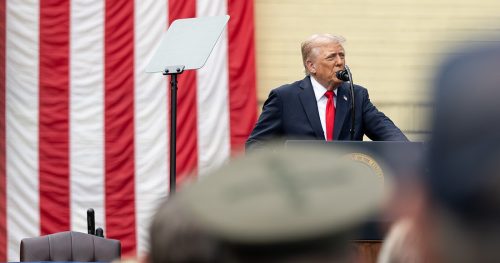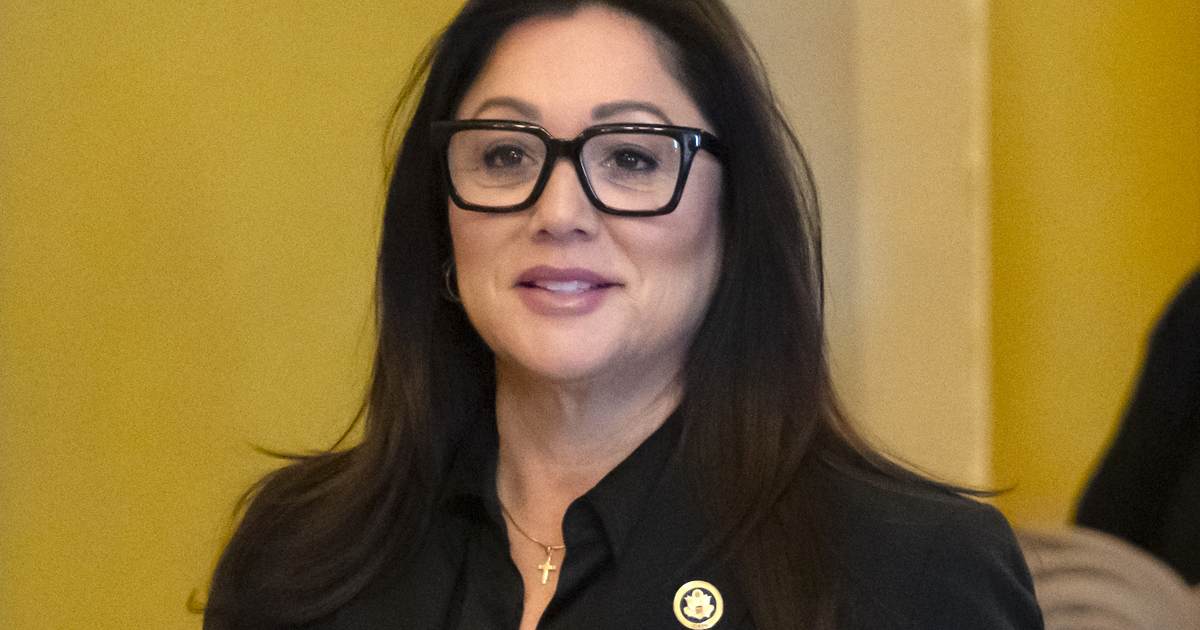
Secretary of Labor Lori Chavez-DeRemer is resigning her cabinet post to take a job in the private sector, a move announced publicly by White House Communications Director Steven Cheung on social media Monday evening.
Secretary of Labor Lori Chavez-DeRemer will step down from her cabinet post to accept a position in the private sector, White House Communications Director Steven Cheung announced on social media Monday evening. The surprise notice ends Chavez-DeRemer’s tenure at Labor and kicks off an interim leadership period at the department. The timing has drawn attention in Washington because cabinet stability matters for ongoing labor policy and enforcement.
Labor Secretary Lori Chavez-DeRemer will be leaving the Administration to take a position in the private sector. She has done a phenomenal job in her role by protecting American workers, enacting fair labor practices, and helping Americans gain additional skills to improve their…
— Steven Cheung (@StevenCheung47) April 20, 2026
“She has done a phenomenal job in her role by protecting American workers, enacting fair labor practices, and helping Americans gain additional skills to improve their lives,” Cheung said of Chavez-DeRemer in the announcement of her departure. That exact praise frames the White House’s public view of her record and highlights the administration’s talking points on workforce development. The quote underscores the official line even as questions about succession and continuity circulate.
Chavez-DeRemer has not announced which private sector entity she has accepted a role with, leaving officials and stakeholders to watch for further disclosures. Her departure triggers a planned interim promotion: Keith Sonderling, who previously served as the Deputy Secretary of Labor, will assume the role of Acting Secretary of Labor. Sonderling’s elevation is intended to keep the department functioning while the White House selects a permanent successor.
The Department of Labor will now become the second department operating under temporary leadership after former Attorney General Pam Bondi’s reassignment earlier this month. That pattern of short-term leadership raises practical concerns about long-term strategy and enforcement priorities in critical agencies. Republicans will point to disruption and the need for consistent policy oversight as a key consequence of repeated turnover.
From a Republican perspective, cabinet churn is more than a headline; it affects workers, employers, and regulatory certainty across the economy. Acting officials can keep the lights on, but they do not always carry the political authority or Senate-confirmed mandate to make major, lasting changes. When senior roles flip frequently, it invites uncertainty for businesses trying to plan around labor rules and for employees relying on consistent enforcement.
Sooner rather than later, the White House will be expected to name a nominee for the permanent job and send that name to the Senate for confirmation. That process will give lawmakers the chance to probe the department’s recent actions and to assess the incoming choice’s commitment to clear, workable labor policy. Republicans in Congress will likely emphasize a desire for leaders who prioritize American jobs, protect workers’ rights to fair treatment, and avoid regulatory overreach that burdens small businesses.
Observers will watch how effectively Sonderling manages the transition and whether the department maintains its stated priorities during the interim. For now, the change is a reminder that federal leadership is mutable and that private-sector recruitment of senior officials remains a common outlet for cabinet talent. The practical test ahead is whether the Department of Labor can sustain momentum on enforcement, training programs, and workforce initiatives while a permanent successor is selected.