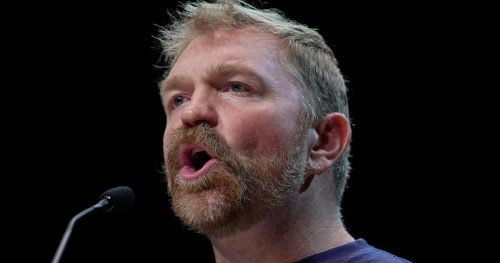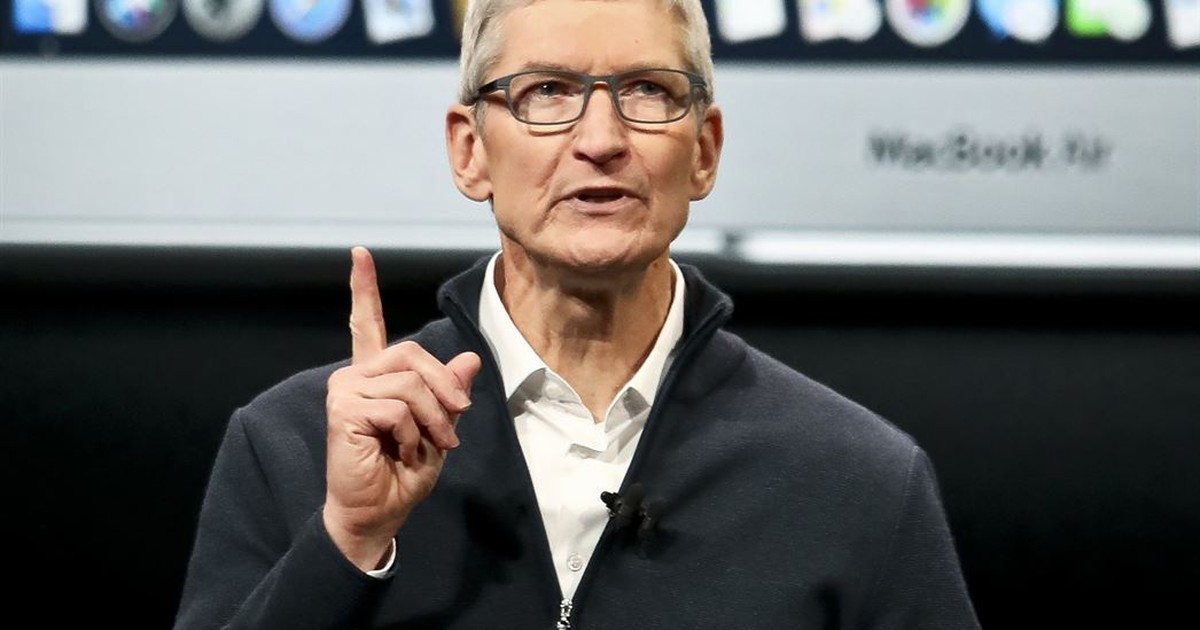
Tim Cook will leave the Apple CEO role in September, handing day-to-day leadership to John Ternus while moving into the Executive Chairman role as the company he led through massive growth continues under new leadership.
After 15 years running Apple, Tim Cook will step down as CEO in September and transition to Executive Chairman of the board. John Ternus, currently senior vice president of Hardware Engineering, is set to take the top job and oversee Apple’s operations going forward.
Cook’s tenure saw Apple cross historic milestones and reshape consumer tech, and the handoff to Ternus marks a clear leadership change at one of the world’s largest companies. The company signaled the move as orderly and planned, with a focus on continuity across products and services.
Apple has announced that John Ternus, the senior vice president of hardware engineering, will take over as CEO of the company on September 1, 2026, as Tim Cook prepares to step down after 15 years in the role. pic.twitter.com/0VstEOEntq
— OSINTdefender (@sentdefender) April 20, 2026
“It has been the greatest privilege of my life to be the CEO of Apple and to have been trusted to lead such an extraordinary company. I love Apple with all of my being, and I am so grateful to have had the opportunity to work with a team of such ingenious, innovative, creative, and deeply caring people who have been unwavering in their dedication to enriching the lives of our customers and creating the best products and services in the world,” Cook said in a statement.
Under Cook’s leadership Apple became the first company to reach a $1 trillion market cap and then moved well beyond that benchmark as it expanded its product lines and services. The firm now ranks among the largest companies globally by market capitalization, continuing steady revenue and profit growth even as the tech landscape shifts.
John Ternus has been at Apple since 2001 and rose through engineering ranks to join the executive team in 2021. His resume highlights long-term involvement with Apple’s core hardware platforms, and the company credits him as instrumental in the development of flagship products like the iPhone, AirPods, and Mac.
Industry watchers say Ternus brings deep technical chops and practical engineering experience to the CEO role, traits that align with Apple’s product-first culture. His promotion suggests the board prioritized continuity in hardware and systems integration as Apple pushes into new product categories and refines existing lines.
Cook’s new role as Executive Chairman will keep him closely tied to Apple’s strategic direction while freeing the CEO to manage the company’s daily operations. That arrangement mirrors transitions at other major corporations where founders or long-serving CEOs shift to chairman positions to shepherd long-term strategy while successors handle execution.
Investors and employees will watch the early months of Ternus’s tenure for signs of product cadence, organizational shifts, and any adjustments to Apple’s approach to services and supply-chain management. With an enormous installed base and recurring revenue streams, Apple’s leadership change matters both for its customers and for the broader tech sector.
Expect the immediate focus to remain on upcoming product cycles and on maintaining the momentum Cook helped build, from hardware releases to the growth of Apple’s software and services ecosystem. The handoff is positioned as a smooth, planned step rather than a sudden break, and both executives are framed as committed to keeping Apple’s innovation engine running.