U.S. diplomats and African counterparts are reacting as Al Qaeda-linked groups launch a coordinated, nationwide offensive in Mali, with reports of explosions and gunfire around Bamako’s airport and an embassy shelter-in-place order as the situation unfolds.
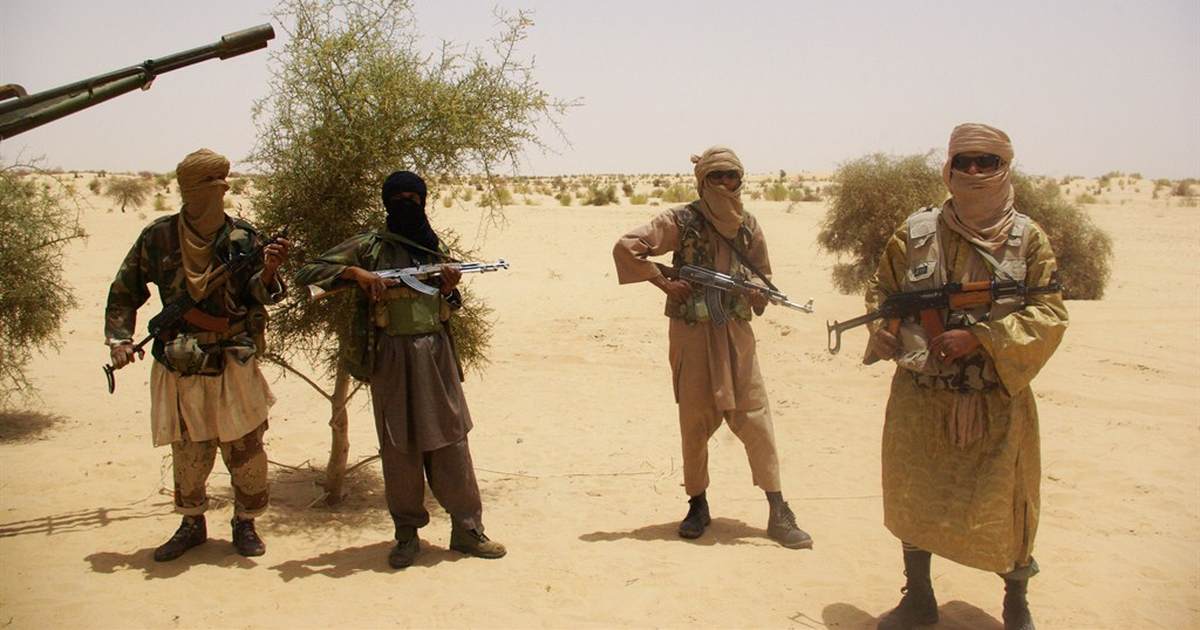
Armed groups tied to Al Qaeda have surged across Mali in what officials and reporters have called a major, coordinated offensive. Those movements have produced explosions and gunfire near Modibo Keita International Airport in Bamako, prompting immediate alarm among residents and foreign diplomatic missions.
The U.S. Embassy in Bamako issued a shelter in place order after hearing reports of the violence, and Washington’s diplomatic arm for Africa quickly issued a formal statement backing Mali’s government. “The United States strongly condemns today’s terrorist attack in Mali,” the Bureau of African Affairs said, repeating a clear, unmistakable rebuke of the assault.
BREAKING
Al Qaeda in Mali (JNIM) & Tuareg separatists of FLA have launched a nationwide offensive against Mali’s junta & its Russian allies
They’re reportedly successful, having entered the capital city Bamako &Taureg capital Kidal
It’s looks like Mali is falling to jihadists pic.twitter.com/icpZPqQRjM
— Visegrád 24 (@visegrad24) April 25, 2026
News outlets on the ground described the operation as “the largest jihadist attack in years,” according to the BBC, signaling that this is not a localized flare-up but a broad campaign aiming to seize territory and test regional defenses. For residents of Bamako and other cities, the pace and scale of the attack have been shocking, and public services and mobility were immediately disrupted.
U.S. officials made it plain they stand with the Malian government and the people affected by the surge, offering condolences to victims and pledging continued cooperation. The State Department’s message stressed commitment to “advancing peace, stability, and security across Mali and the region,” a goal that has proven difficult amid growing extremist strength.
From a conservative perspective, this offensive is another reminder that soft responses and half-measures invite repetition and escalation from determined adversaries. Terror networks have long exploited vacuums and weak governance; when they sense hesitation from global powers or regional partners, they expand, entrench, and make recovery costlier for everyone.
Neighboring states and regional organizations now face hard decisions about troop commitments, intelligence sharing, and how aggressively to push back without inflaming wider conflict. For U.S. policymakers, the calculus includes whether to offer more direct support, ramp up sanctions, or increase aid to local forces that can secure and hold reclaimed territory.
On the ground, civilians are the immediate victims, fleeing violence and dealing with shortages of basic services as clashes continue. Humanitarian groups will likely need rapid access to affected areas, and any prolonged campaign will raise the bar for rebuilding institutions and restoring security normally taken for granted by citizens.
Expect diplomatic traffic to pick up as governments, regional bodies, and foreign partners coordinate responses and share intelligence in real time. For Americans watching from afar, this episode should sharpen focus on counterterrorism commitments and the practical steps necessary to deny extremist groups safe haven.
Details remain fluid as authorities assess the situation. Editor’s Note: This is a developing story and will be updated as information comes available.