Iran’s leadership has told citizens to conserve energy after admitting U.S. and Israeli strikes severely damaged its infrastructure, a rare public acknowledgment that follows earlier dismissals of the attacks. Officials now urge households to cut consumption while Tehran navigates tighter U.S. pressure, sanctions, and a potential diplomatic track with U.S. envoys. The shift shows strain on the regime and highlights the growing impact of coordinated economic and military pressure.
The government in Tehran publicly urged people to limit electricity use after acknowledging the country’s energy network had been hit hard. That admission is striking because Iranian officials had downplayed the effect of earlier strikes and portrayed themselves as resilient. Now the message from state television is plainly focused on getting citizens to conserve power.
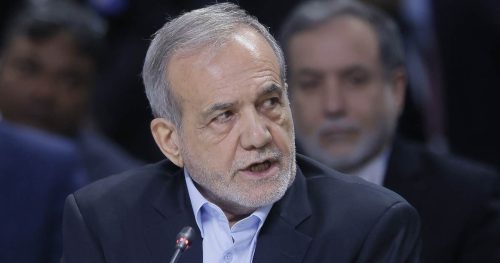
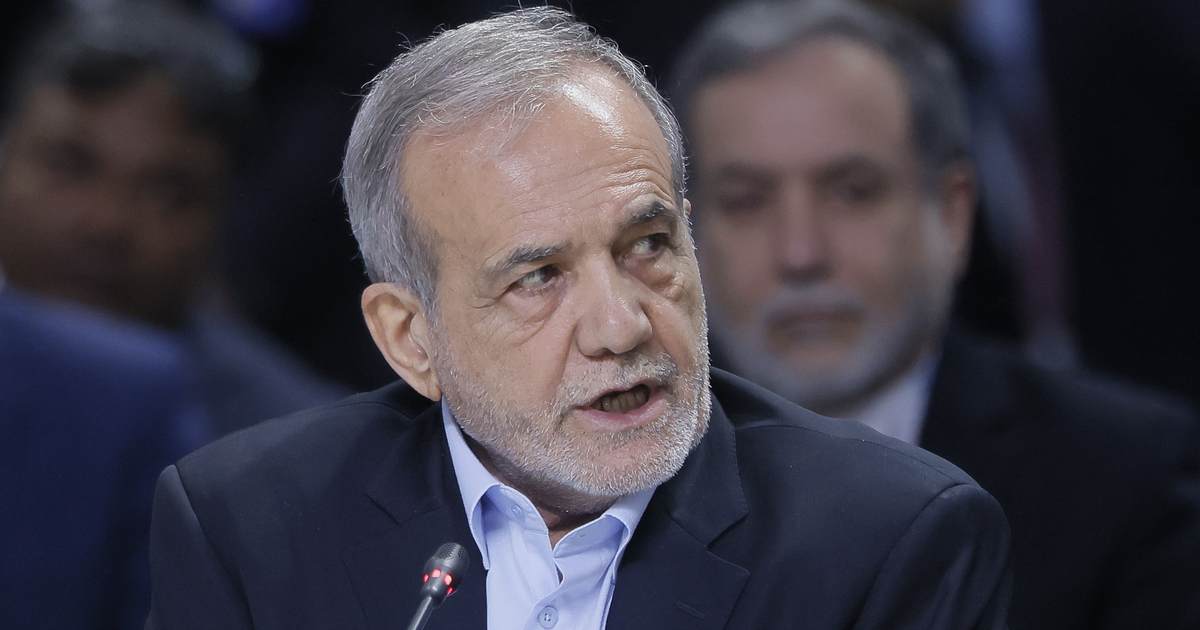
JUST IN: Iranian President Masoud Pezeshkian:
Enemies are targeting our infrastructure and trying to surround us to make people dissatisfied and turn current satisfaction into discontent.
People should not allow the conditions for dissatisfaction to arise.
For now, we do not… pic.twitter.com/ycJPWtzSB4
— Sulaiman Ahmed (@ShaykhSulaiman) April 25, 2026
On state-run TV, Masoud Pezeshkian told viewers bluntly how to reduce demand and framed the damage as deliberate. He said, “Instead of turning on 10 lights at home, turn on two lights. What is wrong with that? They are destroying our infrastructure. They are placing us under siege so that people will become dissatisfied.”
Just weeks earlier, Pezeshkian dismissed the strategic value of attacks on Iran’s energy systems by saying they “will yield nothing” for the United States, Israel, and regional partners. That claim now looks reversed as Tehran faces real shortages and outages affecting daily life. The flip shows both the physical toll on infrastructure and the political strain on officials who must answer to a weary public.
U.S. policy has increased pressure on Iran materially and financially, including a decision to block the Strait of Hormuz and stepped-up Treasury actions. Washington moved to target Iran’s so-called shadow oil fleet to choke off revenues and reduce the regime’s ability to fund military activity. Those steps are designed to squeeze Tehran without committing U.S. ground forces, and they appear to be having an effect.
From a Republican perspective, using economic tools and limited strikes to degrade an adversary’s ability to project power is both prudent and effective. The combination of sanctions and precise military pressure forces Tehran to make hard choices about priorities and public messaging. Iranian leaders now face the awkward task of asking citizens to tighten their belts while blaming outside enemies for hardship.
Energy shortages are never just technical problems; they hit hospitals, factories, and ordinary households first. In a modern economy, sustained outages can ripple into food supply chains, manufacturing, and public morale. When the state cannot guarantee reliable power, political legitimacy can fray, and opposition movements find new openings.
Tehran’s narrative that external forces are staging a siege aims to redirect domestic anger outward, but the government also must solve the immediate, practical problem of restoring flows through a damaged grid. Repairs require spare parts, technicians, and stable supply lines, all of which become harder under sanctions and clandestine targeting. The leadership’s call to conserve is a short-term fix that buys time but does not rebuild what was damaged.
Regional dynamics are shifting as allies coordinate pressure on Iran’s energy lifelines. Israeli operations and American sanctions have different tools and goals, but together they raise the cost of Tehran’s behavior. That coordination complicates Iran’s ability to adapt quickly and forces hard internal budgeting choices.
Officials in Tehran will likely balance propaganda and pragmatism in the coming weeks, combining blame of foreign adversaries with piecemeal measures to keep essential services running. For now, ordinary Iranians are left to ration and cope, and the political elite scramble to cover gaps. How long the population tolerates rolling shortages will shape the regime’s room to maneuver.
Meanwhile, diplomats are preparing to return to the table with U.S. Envoy to the Middle East Steve Witkoff and Jared Kushner set to lead the American delegation. That parallel approach of pressure and negotiation fits a strategy of forcing concessions from a weaker and more exposed Tehran. The mix of coercion and diplomacy aims to change Iranian calculations without risking open-ended military commitments.
Whatever happens next, the visible strain on Iran’s energy system is now part of the political conversation inside the country and across the region. Republicans who favor decisive pressure will point to the rationing order as evidence that sanctions and limited strikes work. Tehran’s leaders, meanwhile, must manage the domestic fallout while trying to preserve regional influence and internal control.