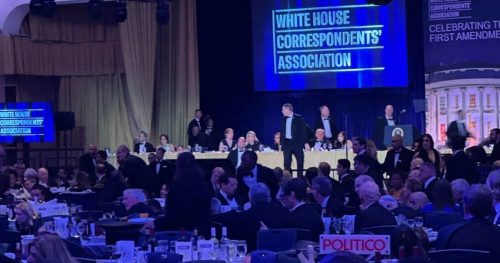
A man tried to storm the White House Correspondents’ Dinner armed and said he was targeting Trump administration officials, and the fallout has focused on Democratic rhetoric, Rep. Jamie Raskin’s TV responses, and a string of public statements from party leaders.
Last night a shooter identified as Cole Allen tried to enter the White House Correspondents’ Dinner carrying weapons and later told law enforcement he was targeting Trump administration officials. The attempt did not result in injuries, but it put the spotlight back on how heated political language can bleed into real-world danger.
For years many Democrats have trafficked in extreme labels, calling President Trump Hitler, branding his administration fascist, and likening agencies like ICE and Border Patrol to the Gestapo. That rhetoric matters because people absorb the messages they hear from leaders and influencers, and it can move someone from anger to action.
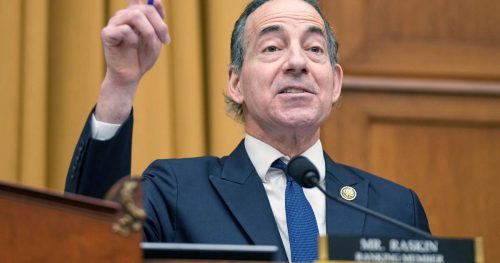
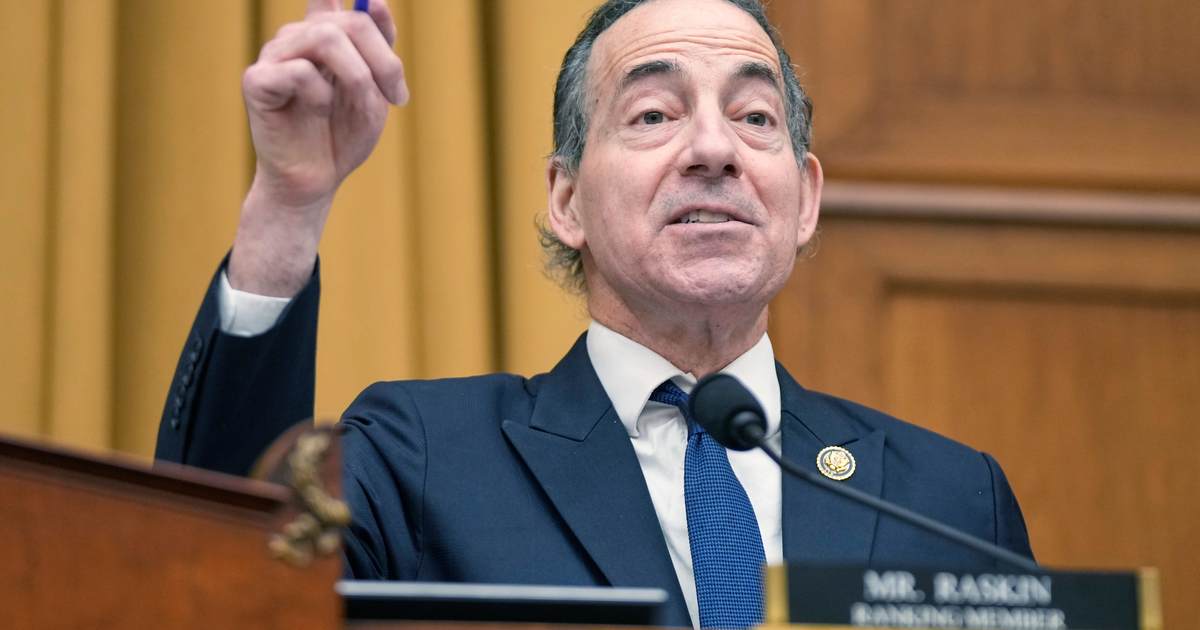
On CNN, Rep. Jamie Raskin sounded surprised when pressed about that environment and said he couldn’t think of examples of the Democratic Party’s “heated rhetoric.” Dana Bash asked, “You, as many of your fellow Democrats, have used some heated rhetoric against the President and do you think twice about that when something like this happens?” “What rhetoric do you have in mind,” Raskin responded. “Just talking about … the fact that he, you know, is terrible for this country and so on and so forth,” Bash said. “I understand that that’s your democratic right, but overall, do you have a responsibility?”
“I have no personal problem with Donald Trump,” Raskin said on air. Really? In December of last year Raskin had told an audience that, “Now, in other times, Democrats and Republicans alike would rely on the Southern Poverty Law Center to help us keep track of the movements of violent white supremacy in the country,” then continued, “The Southern Poverty Law Center has been a vigilant voice in civil society against radical white nationalist violence and extremism, neo-Nazim, and other forces across the political spectrum that spread organized hate from any quarter. The President, however, wants to undermine civil society organizations, to reduce our ability to defend ourselves against the virus of racial violence.”
Democrat Congressman @jamie_raskin – who won’t fund Secret Service – tells @CNN he has no clue what “heated rhetoric” his party has used regarding President Trump pic.twitter.com/HdINwAsHEb
— Sean Spicer (@seanspicer) April 26, 2026
That contrast between a public refusal to acknowledge heated rhetoric and a record of harsh denunciation is striking to many conservatives. There is a long trail of clips and statements from Democratic figures that cast the former president and his supporters as existential threats, and those lines are still being replayed and amplified. And here’s a two-minute compilation of Democrats and that heated rhetoric.
House Minority Leader Hakeem Jeffries went even further in public comments, calling for “maximum warfare” against President Trump, language that feeds into the aggressive tone critics complain about. That comment was delivered on April 21. He was called out for it by the RNC, too.
Two days ago, commentator Scott Jennings warned that a “maximum warfare” mindset would shape how Democrats govern if they take power, a blunt admission that the rhetoric is more than talk and could translate directly into policy and behavior. That kind of approach treats political opponents as enemies to be crushed rather than citizens with different views, and it normalizes a level of hostility that has consequences.
This pattern matters beyond optics. When leaders use extreme metaphors and comparisons — Nazis, fascists, secret police — they reshape the political field and the cues people use to justify violence. The man at the dinner reportedly named Trump officials as his targets; you don’t need a direct instruction to inspire someone who is already primed by a steady diet of dehumanizing language.
Thankfully, last night no one was hurt, and law enforcement contained the situation quickly. But the warning signs are clear: rhetoric shapes behavior, and a sustained, aggressive campaign of demonization increases the risk that angry individuals will try to act out those narratives. Until the temperature is dialed down and leaders choose different words, these flashpoints are likely to recur.
Editor’s Note: Democrats are fanning the flames and raising the rhetoric by comparing ICE to the Gestapo, fascists, and secret police.