A failed assassination attempt at the White House Correspondents’ Association Dinner left a Secret Service officer wounded, a suspect in custody, and a manifesto that names President Donald Trump as the target, yet prominent Democrats and major outlets say the motive is unclear.
Last night at the WHCA dinner a 31-year-old man opened fire, striking a U.S. Secret Service member who was wearing a bulletproof vest while trying to reach the administration. Law enforcement quickly subdued and arrested the suspect at the scene, ending what could have been a much worse tragedy. Officials confirmed the assailant had a clear plan, but the official narrative from some corners is already shifting.
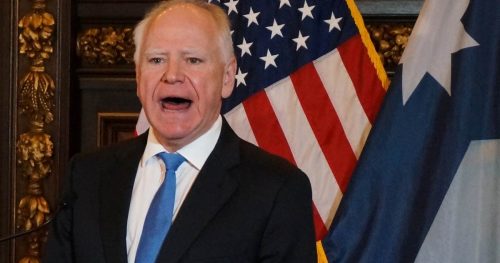
Hours after the shooter’s manifesto circulated, some Democrats and mainstream outlets, including commentary tied to former President Obama and The New York Times, publicly said the motive remains unknown. That stance feels off to many conservatives because the document is explicit about intent. The disconnect between what the written evidence shows and what some leaders are willing to say is raising questions about political bias in how threats are described.
The manifesto itself left little room for doubt: the attacker declared an intent to kill President Donald Trump and members of his administration. The document contains this line verbatim: “I am no longer willing to permit a pedophile, rapist, and traitor to coat my hands with his crimes.” Those words point directly to political motivation and a targeted hatred for the president.
Only the NYTimes is searching for the motive. 🤔🙄 pic.twitter.com/RuHmYZUKlM
— Steve Milloy (@JunkScience) April 26, 2026
Rather than treat that language as a clear indicator of motive, some voices immediately downplayed it or emphasized uncertainty. From a Republican perspective, that response reads like willful denial or an effort to deflect blame from a culture of hostile rhetoric. When political leaders and outlets act as if the manifesto doesn’t exist, it undermines public confidence in impartial reporting and public safety assessments.
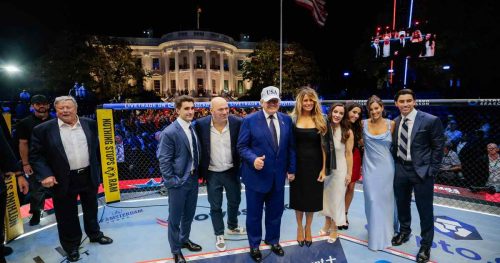
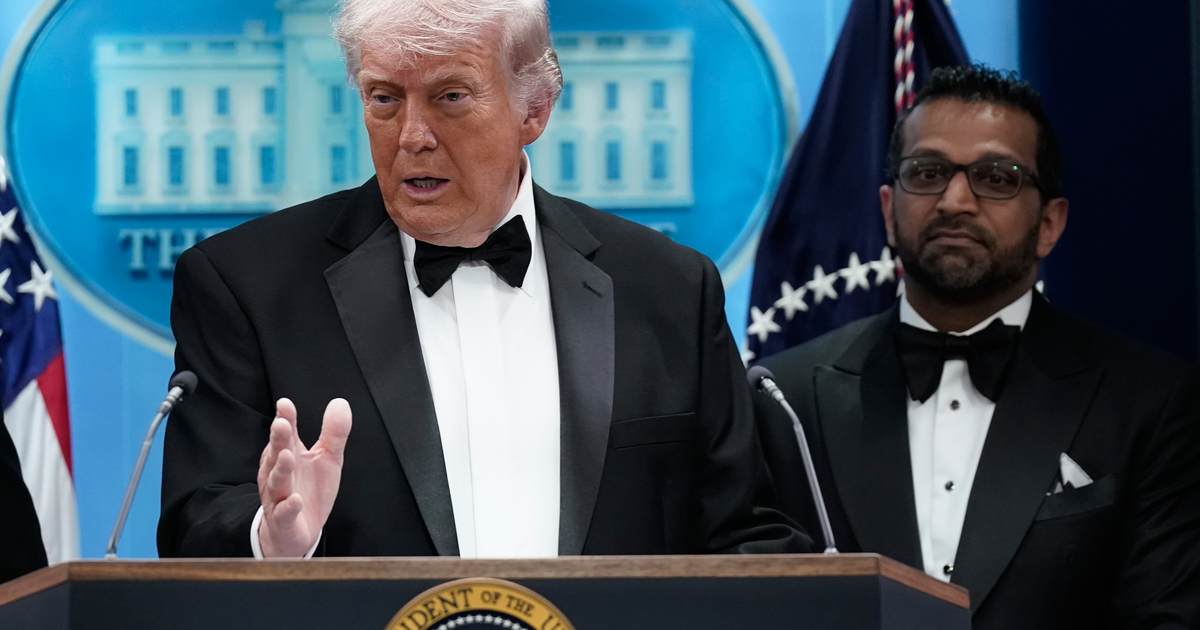
In an interview on 60 Minutes, President Trump addressed the attack and the broader environment that spurred it, calling out the influence of heated political talk. Several attendees at the dinner, including Erika Kirk and RFK Jr., have painful personal histories with violence and understand how rhetoric can escalate. Their presence underlines how raw emotions and recent national traumas can intersect at public events.
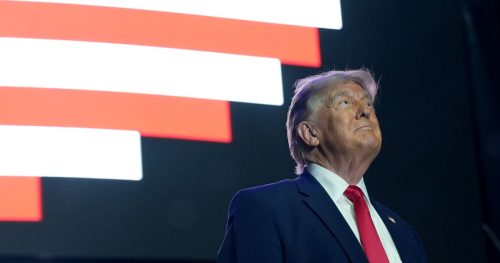
President Trump repeatedly argued that repeated hostile statements from some on the left create an atmosphere that encourages violent actors. From rallies to opinion pieces, tone matters, and when public figures normalize extreme language it can have real consequences. Republicans are insisting that holding those leaders accountable for their rhetoric is part of preventing future attacks.
Law enforcement continues to investigate the shooter’s background, affiliations, and how he acquired any weapons, but the basic outline is already clear: an individual intent on killing a sitting president, stopped after injuring a protective agent. The Secret Service response and the rapid arrest prevented a wider catastrophe, and those facts should factor into how the political conversation is framed. Ignoring the manifesto does not make it go away.
Editor’s Note: The mainstream media continues to deflect, gaslight, spin, and lie about President Trump, his administration, and conservatives.
Moving forward, Republicans argue the proper response is straightforward: treat explicit threats as explicit threats, investigate them fully, and call out the public figures whose persistent vilification may light the fuse. Accountability and clear-headed reporting are the minimum standards Americans should expect after an attack that aimed directly at their president and the people protecting him.