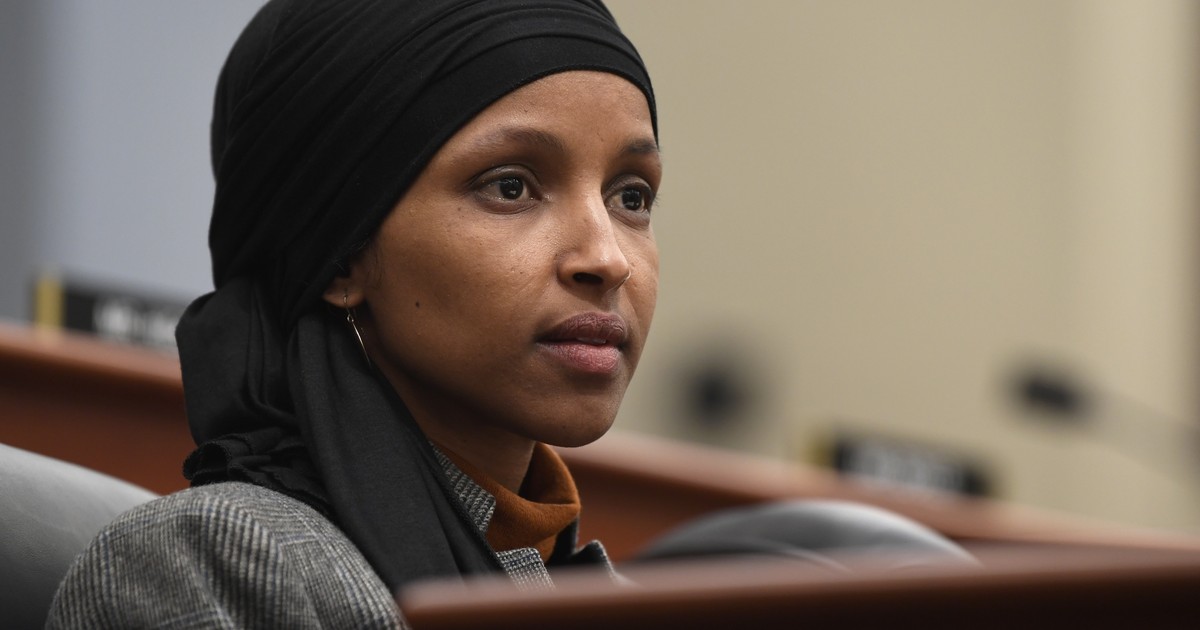
Rep. Ilhan Omar mistakenly called World War Two “World War Eleven” while denouncing the Trump administration’s use of the Alien Enemies Act to deport narco-terrorists, a gaffe that set off a storm of online ridicule and revived questions about her credibility and attention to basic facts.
On Monday, Rep. Ilhan Omar issued a statement opposing the administration’s plan to use the Alien Enemies Act to remove dangerous foreign operatives, and in that statement she referred to World War Two as “World War Eleven.” The slip instantly became fodder for critics who argue that such a basic error exposes deeper problems with judgment from someone weighing in on national security issues. The reaction on social media was swift, and conservatives were quick to highlight the mismatch between the gravity of the topic and the apparent lack of attention to detail.
Conservatives framed the moment as more than a typo; they saw it as symptomatic of a pattern where vocal critics of strong immigration enforcement fail to demonstrate competence when it matters most. That framing leaned on the reality that this debate is about deporting narco-terrorists, not abstract policy theory, and accuracy should be expected when discussing wartime powers and national security measures. For many Republicans, the gaffe became a rallying point to press for accountability and clearer priorities from lawmakers who oppose the use of existing statutory tools against foreign criminals.
The episode also brought back memories of a past disclosure controversy, noting that Omar had “mistakenly” claimed a $30 million net worth in a financial filing. That wording remained intact in public commentary because it had been widely reported, and critics said the repetition underlined a pattern of sloppy or misleading public statements. Opponents argued that repeated mistakes, whether financial or historical, erode trust in a lawmaker’s public filings and policy warnings alike. The optics are damaging when credibility matters in debates over deportation and national security.
World War Eleven.
That's Ilhan Omar, ladies and genetlemen.
Somalia didn't send its best and brightest.pic.twitter.com/A2tb8ZSQP7
— Michael Quinn Sullivan 🇺🇸 (@MQSullivan) April 27, 2026
Beyond political sparring, the choice to attack the administration’s use of the Alien Enemies Act deserves scrutiny on its own merits, but the argument loses force when basic facts get tangled. The Alien Enemies Act is a tool with historical precedent and specific legal contours, and critics have every right to challenge how and when it is used. Still, when a public figure flubs an obvious historical reference, it distracts from substantive critique and hands momentum to opponents who want to focus the conversation on competence rather than policy content.
Social media amplified the misstep, turning what might have been a short-lived typo into a sustained controversy. Conservative commentators and grassroots users shared clips, screenshots, and razor-sharp takes that framed the error as emblematic of priorities gone wrong in certain corners of Congress. The speed and reach of these reactions meant the incident did not stay isolated; it became talking points used by campaign teams and pundits to question fitness for office and readiness to engage in serious security debates.
Check out some of the best reactions from online:
For Republican strategists, moments like this serve dual purposes: they spotlight what opponents see as a lack of seriousness, and they give voters a clear, concrete example to remember. Messaging teams will use the gaffe alongside policy disagreements to argue for a different approach to border security and deportation, emphasizing competence and clarity in leadership. Voters decide on character and capability, and opponents will keep pressing the question of who should be trusted with decisions about who stays and who goes.
The broader lesson for members of Congress is simple and unforgiving: public statements on weighty matters demand precision. When a lawmaker mixes up fundamental historical facts while critiquing an administration’s legal strategy, it weakens their platform and hands the narrative to critics. This incident is likely to resurface in debates and campaign ads, where clear memory and quick, scathing recall can have real political consequences.