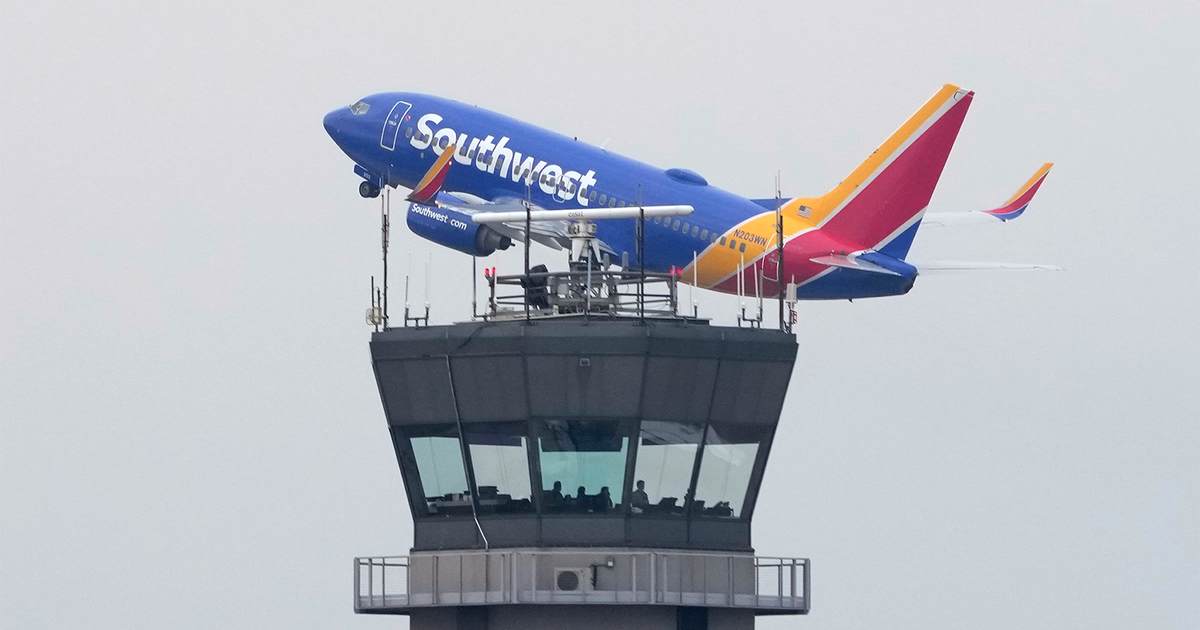
Southwest finally paid Charlene Carter nearly $1 million after a long legal fight over her 2017 dismissal for sending pro-life messages to union leaders, a case that produced a jury verdict, multiple appeals, and a contempt finding against the airline for dragging its feet on court orders.
Charlene Carter spent more than two decades working for Southwest before the dispute began, and she says her trouble started when she spoke up about her pro-life convictions while she was still connected to the Transport Workers Union Local 556. She had resigned from the union in 2013 but remained bound to pay dues, a detail that fed into the larger conflict about what members can be forced to support. This case has been about more than one firing; it turned into a test of whether workers can be punished for religiously grounded speech to their union.
According to court records, Carter sent pro-life messages to union leadership during the 2017 Women’s March, which the union supported, and she believes that triggered her termination. She sued, and in 2022 a federal jury sided with her, finding the termination unlawful. The Fifth Circuit later affirmed that decision, and U.S. District Judge Brantley Starr ordered Southwest to reinstate Carter and award $810,000 in damages plus $150,000 in back pay.
Southwest resisted complying for years, prompting Judge Starr to find the airline in contempt for failing to follow the court’s orders. That judicial pressure finally produced a payment, and the airline has cut a check to Carter after nearly a decade of litigation and delay.
“Today is a victory for freedom of speech and religious beliefs,” she said. “Flight attendants should have a voice and nobody should be able to retaliate against a flight attendant for engaging in protected speech against her union.”
BREAKING: Southwest Airlines has paid nearly $1 million to a flight attendant it fired for expressing her pro-life views.
Charlene Carter, who worked 21 years as a flight attendant, was terminated in 2017 after she sent pro-life messages to leaders of the Transport Workers Union… pic.twitter.com/qlwlX6zLeW
— LifeNews.com (@LifeNewsHQ) May 5, 2026
Southwest had defended the firing, saying Carter’s messages amounted to harassment. The airline told employees it “does not discriminate” and directed them to follow the same policy used in her case. The contempt finding also led to orders for three Southwest lawyers to complete religious-liberty training.
The case is not entirely resolved.
Contempt proceedings continue over the adequacy of Southwest’s court-ordered notice to its flight attendants.
Carter’s attorneys maintained throughout the litigation that her pro-life views are protected religious expression and that no employee should face retaliation for opposing the use of union dues for causes they find morally objectionable. The jury’s verdict and the airline’s payment affirm that position.
Carter’s legal team argued from the start that her pro-life beliefs amounted to protected religious expression, and the courts ultimately agreed at multiple levels. The sequence of rulings and the contempt finding show the judiciary enforcing basic First Amendment protections in the workplace. That enforcement matters because private and public employers alike need clear direction on what counts as protected speech tied to religion.
The fact that Carter had to wait years for compliance highlights a problem: court victories are hollow if defendants can stall for a decade. Judges can award damages and order reinstatements, but getting companies to follow orders can still require persistent follow-up. The contempt finding was necessary to turn legal wins into actual relief for Carter.
Her case also raises questions about union power and how unions treat dissenting members who object to political or social spending. Carter’s attorneys contended that no employee should be forced to fund causes they find morally objectionable, and the jury’s verdict backed that principle. The outcome underscores the tension between collective bargaining structures and individual conscience.
It’s worth noting that this was not a small award: $810,000 in damages plus $150,000 in back pay is a significant judgment, and it sent a message to both the airline and the union that courts will protect religious expression. The decision also produced practical fallout inside Southwest, including mandated training for some lawyers tied to the contempt finding. That kind of enforcement can prompt institutions to adjust policies to avoid future legal exposure.
Justice delayed became justice finally delivered, but the delay itself is a warning for anyone who relies on the courts to vindicate core liberties. Employers and unions should take the ruling seriously and avoid treating speech grounded in religion as a personnel offense. The case shows that when officials call ordinary conscience-driven speech harassment, courts may intervene to defend basic freedoms.
Southwest’s payment closes a chapter for Charlene Carter, yet lingering contempt proceedings remind us that legal accountability can stretch on. Workers should be able to express sincerely held religious beliefs without fear of losing their jobs or being coerced into funding political positions. That principle matters to anyone who values free expression and religious liberty in the workplace.