U.S. forces say they intercepted unprovoked Iranian attacks and returned fire in a series of self-defense strikes, with CENTCOM stressing no U.S. assets were hit and that American forces remain ready to protect personnel as tensions around the Strait of Hormuz and recent incidents at sea continue to escalate.
U.S. Central Command reported that its forces intercepted Iranian strikes on Thursday and fired back, framing the action as necessary and defensive. CENTCOM noted that none of the attacks hit U.S. assets, a detail meant to underline both the precision of U.S. posture and the chaotic risk the region now faces. “CENTCOM does not seek escalation but remains positioned and ready to protect American forces,” the group posted, a line the military uses to signal deterrence without promising restraint.
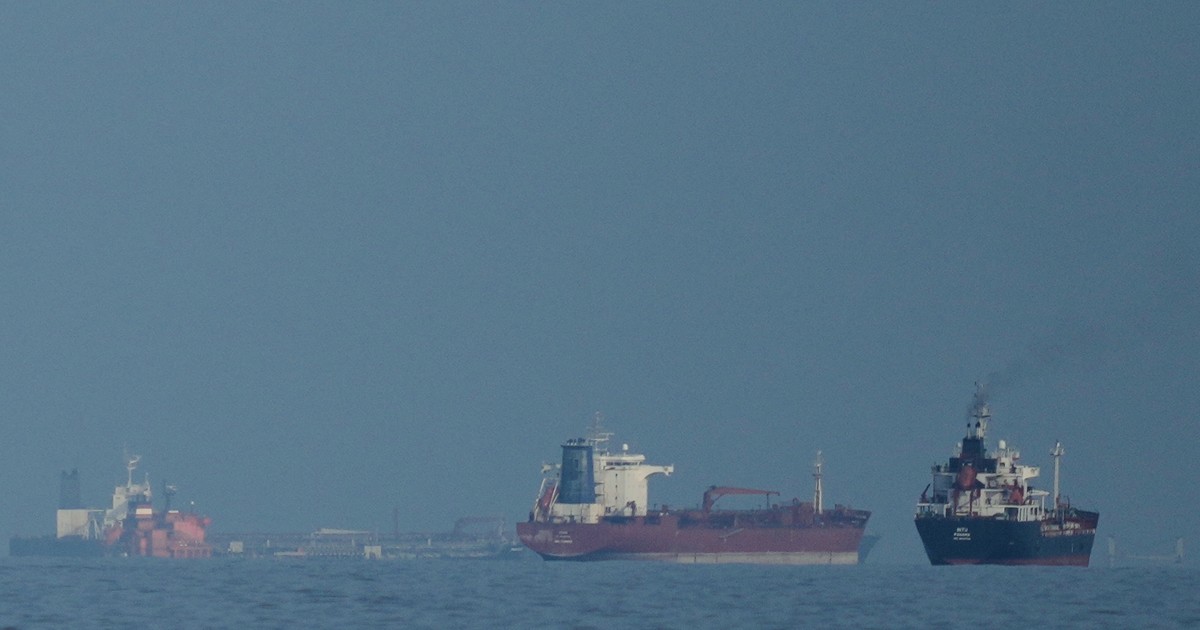
The strikes come amid a widening campaign of pressure near key shipping routes, including a U.S. blockade of the Strait of Hormuz meant to choke off revenue streams and constrain Iran’s capability to project power. That blockade changes the operational map for commercial and military traffic, making routine transits more dangerous and drawing the U.S. into closer proximity with Iranian forces.
Reports from earlier in the week added fuel to the fire: on Monday, a Chinese tanker was reportedly struck by an Iranian projectile, an incident that raised alarms about civilian vessels getting caught in the crossfire. That attack, whether accidental or deliberate, illustrates how quickly regional skirmishes can threaten international trade and cause unintended escalation involving third parties.
From a Republican vantage point, the U.S. response reads as long overdue and appropriately forceful, reflecting a belief that strength deters chaos. Washington’s moves signal to Tehran that attacks on commercial shipping or drone and missile salvos against positions near American forces will be met with swift consequence. Politically, leaders who favor a harder line argue that the United States must translate warnings into actions on the water and in the air to protect allies, keep oil flowing, and preserve global markets.
The situation also intersects with sharp political rhetoric: on Wednesday, former President Trump threatened to start bombing Iran again if it did not agree to forfeit its nuclear materials, a public posture that many Republicans see as blunt and necessary deterrence. That kind of threat, whether deployed as leverage or as a genuine warning, forces adversaries and partners to account for the possibility of U.S. kinetic action.
— U.S. Central Command (@CENTCOM) May 7, 2026
Military planners must weigh the benefits of decisive action against the risk of a broader conflict. Commanders insist they are calibrated to defend American lives and interests without seeking a larger war, but that calculus becomes tighter as more actors, commercial vessels, and third-country ships are drawn into the danger zone. Officials on the ground say readiness is high and rules of engagement are clear: protect forces, protect shipping, and impose costs on those who strike without provocation.
Across Washington, debates will now focus on sustaining pressure without triggering open war, and Republicans will push for tactics that deny Iran the freedom to harass shipping or develop nuclear capacity unchecked. The ongoing operations around the Strait of Hormuz and the recent maritime incidents make clear that posture and resolve matter, and that the U.S. aims to hold the line while remaining ready for what comes next.