Minnesota nonprofit We Push For Peace stands accused of diverting millions in public money to personal luxury, prompting questions about oversight and accountability.
The lawsuit alleges that We Push For Peace, once funded to help with conflict de-escalation after George Floyd’s murder, instead funneled taxpayer dollars into personal perks for its founder. Public records and the attorney general’s complaint raise red flags about how government contracts are monitored. The case highlights broader concerns over taxpayer funds flowing to organizations without adequate controls.
The head of a Minnesota nonprofit allegedly siphoned off more than $6 million in taxpayer funds to treat himself to such lavish goodies as trips to Vegas, luxury rides and shopping sprees at Harley Davidson.
Minnesota nonprofit accused of siphoning $6.5M to fund Vegas trips, luxury cars, private liquor store https://t.co/ZCCN4jgiIu pic.twitter.com/9o3m2wFa2K
— New York Post (@nypost) May 10, 2026
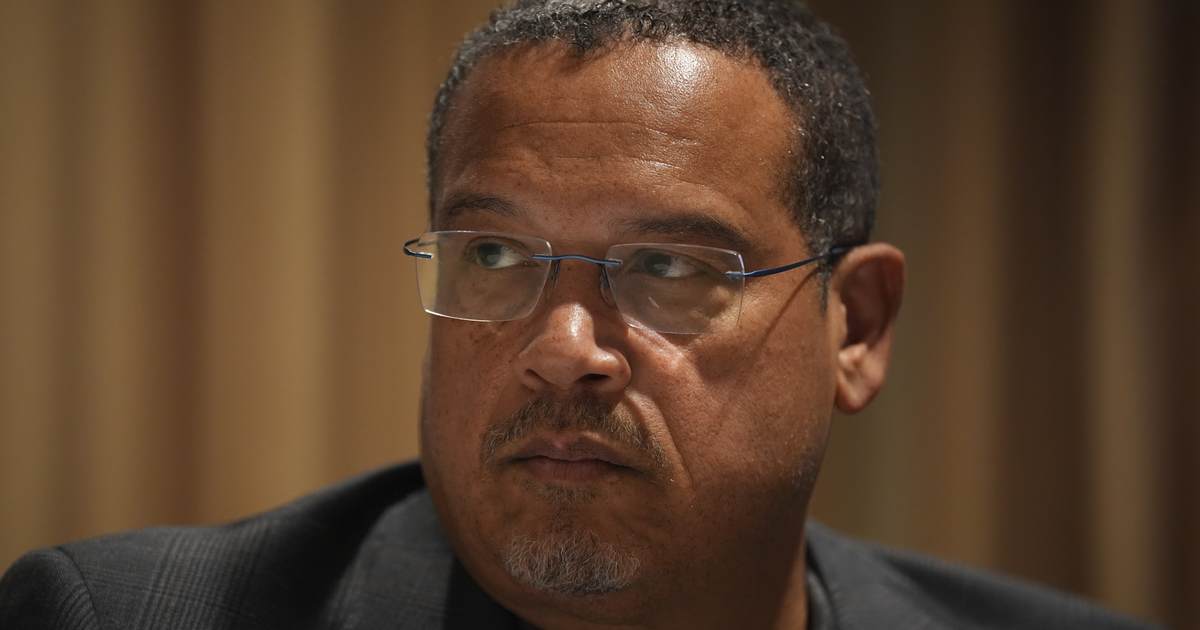
Trahern Pollard, founder and now-former director of the nonprofit We Push For Peace, was supposed to be leading his organization in providing “conflict de-escalation’’ work after George Floyd’s murder — an effort fueled by millions of dollars in government contracts, according to Minnesota Attorney General Keith Ellison in a new lawsuit against the group.
Instead, Pollard diverted more than $6 million of the dough to fund a well-heeled lifestyle for himself — not to mention to pay off child support, settle a tax bill with the IRS and subsidize his private businesses, including a liquor store and a used-car dealership, authorities said.
The allegations, if true, show a stunning breakdown in stewardship of public money. Millions earmarked for community work reportedly ended up paying for Vegas trips and luxury vehicles. That kind of diversion undermines trust and wastes scarce resources that should go to public safety and community programs.
Government contracts deserve strict oversight, plain and simple. When public funds are granted to nonprofits, audits and clear accounting must follow. This case suggests those safeguards either failed or were insufficient.
Officials say the founder treated the nonprofit like a personal ATM, which is a betrayal of both taxpayers and the community the group claimed to serve. Court filings reportedly detail payments toward private businesses and personal debts. That pattern looks like intentional misuse rather than sloppy bookkeeping.
Leaders who win public contracts have a duty to be transparent about spending and outcomes. Elected officials and agency administrators must demand timely audits and enforce consequences when rules are broken. Without accountability, misuse becomes routine and public trust erodes fast.
This case also exposes a political angle: public money flowed freely in a charged moment after a high-profile tragedy, and oversight followed later. The timing raises questions about emergency spending, rush contracts, and whether due diligence was bypassed for expedience. Those practices create openings for abuse.
Courts and regulators now have to sort fact from allegation, but taxpayers already pay the price in uncertainty and cynicism. Prosecutors and civil litigants will push for restitution and penalties if the evidence holds up. Meanwhile, communities lose resources and momentum for real conflict intervention work.
We need better reporting requirements and tougher auditing standards whenever public dollars touch private groups. That includes clearer documentation of who benefits from grants and how funds are disbursed. Stronger rules protect both taxpayers and legitimate nonprofits doing honest work.
Local leaders and state lawmakers should take this as a warning to tighten oversight across grant programs. Grant managers must apply consistent vetting and follow-through, not hope for the best. Strengthening accountability will deter bad actors and preserve funds for effective programs.
The core issue is simple: public money must be treated like public money, not a personal slush fund. When allegations of millions in improper spending surface, swift action is warranted to recover funds and prevent repeats. Voters and taxpayers deserve that level of seriousness from those who distribute and oversee public resources.