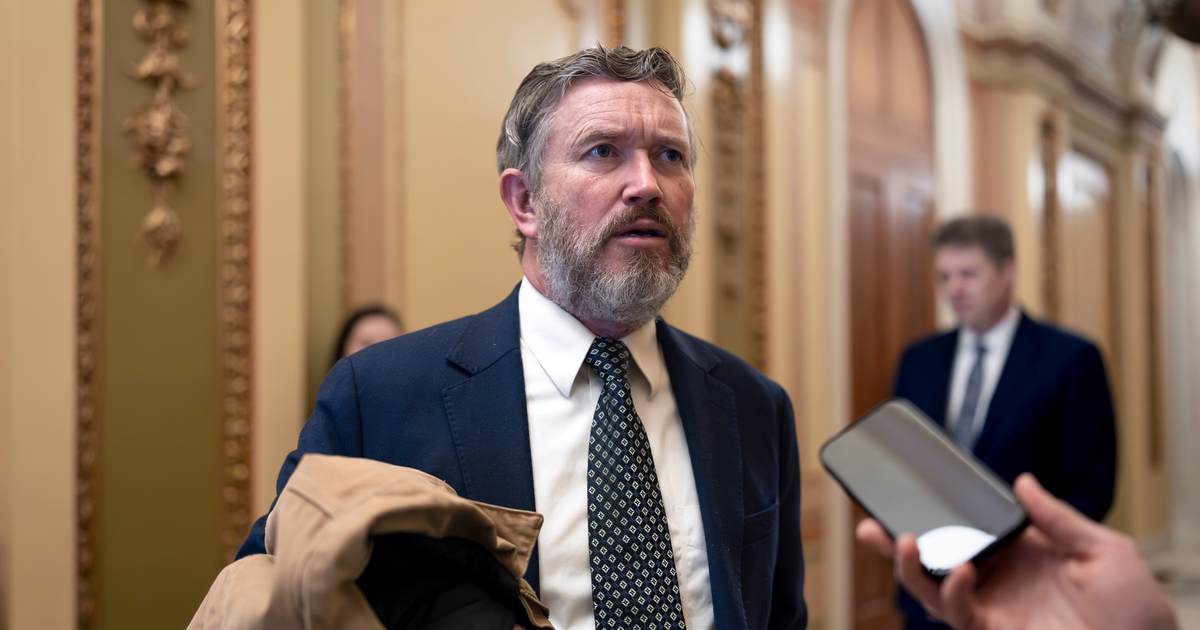
Rep. Thomas Massie faces a brutal, high-dollar primary fight in Kentucky as establishment and opposition figures converge to keep him in office, with mounting outside pressure and historic upsets reshaping the contest.
Rep. Thomas Massie’s contest with Trump-endorsed Ed Gallrein has zoomed into the spotlight with just days to go before the Kentucky primary. Social media is loud, and not just from typical partisans—voices from both the Left and the anti-Trump Right are suddenly pleading with Kentucky voters to preserve Massie’s seat. That torrent of attention has turned a local contest into a national spectacle.
The panic around Massie makes more sense when you look at recent Republican upsets. Sen. Bill Cassidy was just unceremoniously ousted from his seat in a historic primary loss, being the first incumbent senator since 2012 to lose a primary race. That shockwave is making donors and operatives nervous about anything that looks unpredictable.
If your grandma lives in Kentucky 4 please call her and bring her back to the light https://t.co/dHqKa1qAPO
— Tim Miller (@Timodc) May 13, 2026
Money and muscle have flooded this primary: $35 million has been dropped on the race in the primary alone. When outside groups and big donors smell a chance to either protect or topple a member of Congress, they write checks and shape the narrative quickly. In this case, both sides see the seat as symbolic of larger fights inside the GOP.
From a Republican perspective, the fuss is understandable but also frustrating. Massie is no stranger to being difficult for party leaders, and many conservatives blame his insistence on uncompromising positions for hobbling useful policy wins. He often frames resistance as a matter of principle, but that posture comes with real political costs.
That posture is at the heart of why some Republicans want him gone. The critique isn’t just personality-based; it’s about governance and results. Lawmakers who prioritize spectacle over steady coalition-building can leave conservative priorities vulnerable and stalled.
On the other side, grassroots voters still value independence and a willingness to buck the establishment, which helps explain why Massie retains loyal fans. Those voters see him as authentic and unafraid to push boundaries, even if it means losing short-term battles. That tension between purity and pragmatism is burning up the primary map.
Republican operatives who have watched primaries and general elections for years worry about the optics of intra-party civil wars. A messy primary can drain resources and leave scars heading into the general election, especially in swing areas or where Democrats are eager to exploit GOP divisions. That risk increases the stakes for anyone viewed as a disruptor.
Yet there’s also a practical political lesson tucked into this mess: incumbency still matters, and unconventional incumbents can be hard to dislodge. Remembering Sen. Lisa Murkowski’s write-in comeback is useful here—losing a primary is not always the end of the road. Longevity and name recognition give oddball incumbents unexpected staying power.
For those who think party discipline should trump individual style, Massie’s approach is a cautionary tale. Governing requires compromise and coordination, and when a member refuses both in favor of a rigid brand, it can alienate colleagues and donors alike. That dynamic explains why even some conservatives are actively pushing for a change.
At the same time, it’s clear politics is increasingly nationalized; local voters are now being swarmed by national messaging and piles of outside cash. That shift changes incentives for candidates who once relied on local relationships and grassroots strength. The result is a contest that looks less like a homegrown primary and more like a proxy war.
Tuesday’s results will matter beyond a single seat. They’ll show whether a maverick can still survive in a party tightening around a different set of priorities, and whether voters prioritize disruptive independence or steady conservative governance. Either way, the fallout will shape how leaders and activists pick fights going forward.