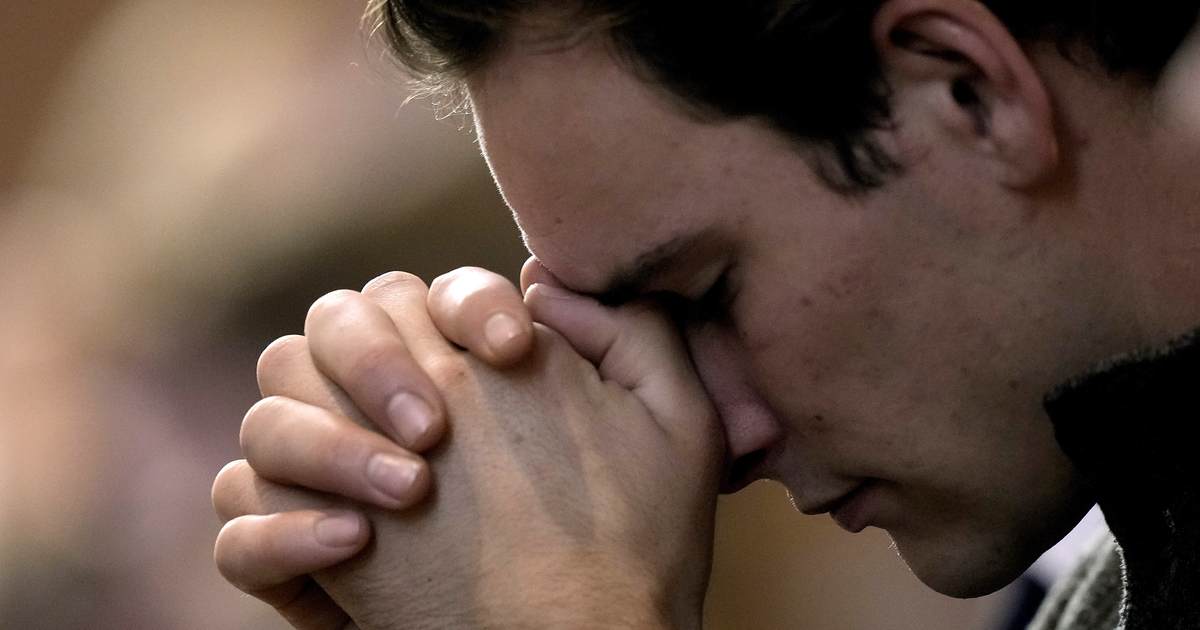
The White House and senior officials marked Rededication 250 with public calls for prayer and renewed emphasis on America’s Christian roots.
Key figures in the Trump administration publicly backed Rededication 250 and framed the event as a national moment to return to faith and prayer. Their messages positioned Christianity as central to the nation’s founding character and urged citizens to reflect on a spiritual heritage many feel is being forgotten. The tone was unapologetically religious and aimed at rallying faith-minded Americans around the bicentennial initiative.
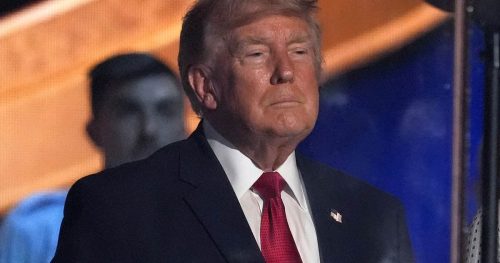
President Donald Trump offered a reading from 2 Chronicles, invoking the scene where God appears to Solomon after the Temple was built. That biblical moment was presented not as a historical curiosity but as a guiding example for public life and national humility. Officials argued that public prayer can be a stabilizing force in a polarized country that often treats religion as a private matter only.
President Donald J. Trump shares a message of faith with the tens of thousands of Americans gathered on the National Mall for Rededicate 250 🙏🏻✝️ pic.twitter.com/oDmUTRYh1M
— Rapid Response 47 (@RapidResponse47) May 17, 2026
Secretary of State Marco Rubio released a video that traced the founders’ devotion to God and tied that devotion directly to the American experiment. The video insisted the republic’s moral backbone came from citizens who saw their fate as linked to divine providence rather than to fleeting political trends. That message challenged modern secular assumptions and invited a public conversation about religion’s role in civic life.
Speakers at Rededication 250 included recognizable religious figures and media personalities who speak to broad Christian audiences. Jonathan Roumie, known for his role in The Chosen, lent celebrity visibility to the event and connected faith narratives to popular culture. Cardinal Timothy Dolan and Bishop Robert Barron brought heavyweight theological and pastoral voices that underscored the ceremony’s seriousness and doctrinal roots.
Rubio framed the founders’ decision-making as an act of faith under duress, reminding listeners why prayer mattered in moments of national crisis. “They had no guarantees of victory,” Rubio said about America’s Founding Fathers. “They knew that what they were trying to do had never been done before in human history, but with the dark storm clouds of war looming on the horizon, they did what Christians have always done across place and time for 2,000 years: they turned their eyes to Heaven, and placed their fate in the hands of God.”
Organizers presented Rededication 250 as a continuity with a historical precedent: the Continental Congress’ call for prayer and fasting before the Revolutionary War. The choice of the date was deliberate, designed to remind Americans that appeals to the Almighty have long been part of national life. That historical tether allowed speakers to claim legitimacy for public expressions of faith without them being merely partisan gestures.
For many conservative Christians, the event signaled a refusal to accept a public square that sidelines religious conviction. The messaging emphasized that faith isn’t private theater but a public resource that shaped early American laws, education, and community life. Leaders used the moment to press for a cultural reset in which faith-informed citizens can reclaim influence over institutions and moral norms.
Critics warned the ceremony blurred lines between church and state, but supporters countered that acknowledging the religious roots of the republic is not the same as imposing a confession on the whole population. The organizers insisted Rededication 250 was about voluntary recommitment and communal prayer, not coercion. Even so, the event will likely keep the debate alive about how publicly visible faith should be in American civic rituals.
Rededication 250 took place on the 250th anniversary of the Continental Congress’ call for prayer and fasting ahead of the American Revolution. By repeating that moment in a modern setting, the administration and allied religious leaders sought to remind the public that faith once helped guide collective resolve. Whether that reminder shifts policy or culture remains uncertain, but the occasion clearly reasserted faith as a central theme for many conservative leaders.