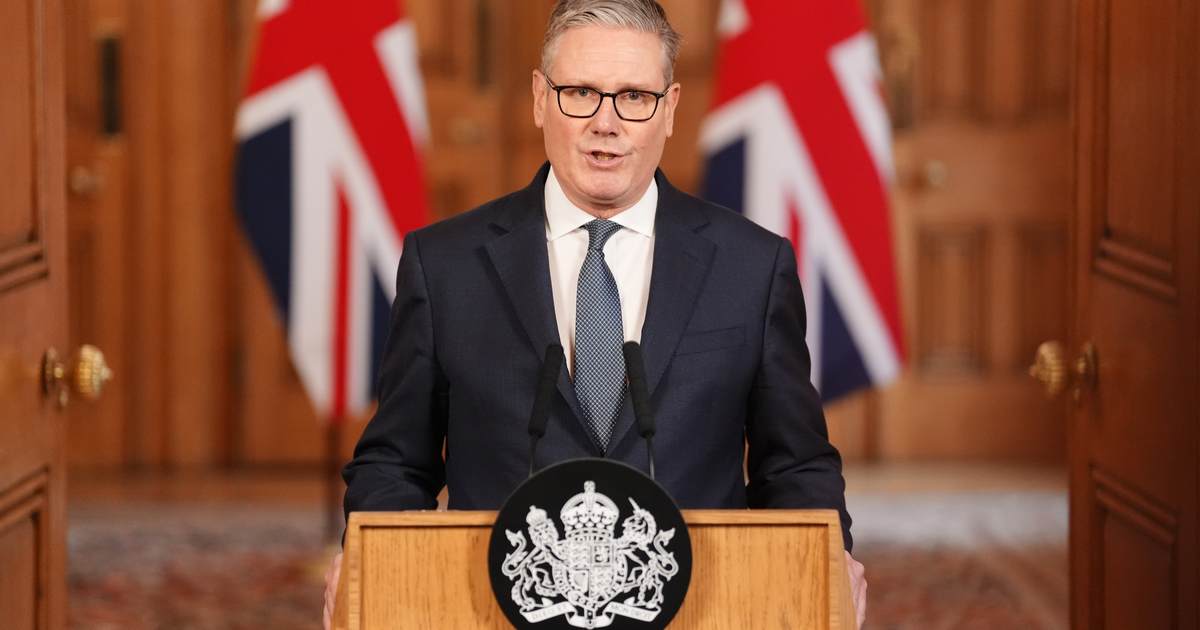
After a bruising set of local elections, the political ground in the U.K. is shifting fast: Nigel Farage’s Reform Party made gains, Labour and the Conservatives were punished at the ballot box, and pressure is building on Prime Minister Keir Starmer as internal challenges surface and senior figures prepare to contest the leadership.
Nigel Farage’s Reform Party saw a notable uptick in the recent local votes, and both Labour and the Conservatives took heavy losses across councils. Those results have fueled an uproar among voters and politicians alike, and the mood in Westminster is tense. Despite the backlash, Labour still controls Number 10, which makes any change inside the party both complicated and consequential.
The election fallout exposed clear cracks inside Labour’s ranks, with senior aides and ministers openly divided over strategy and responsibility. One high-profile departure came when the health secretary resigned and announced a leadership bid, signaling that the contest for the party’s future is no longer hypothetical. That public challenge makes a leadership race more likely and shifts the conversation from blame to a fight for direction.
Wes Streeting, who resigned as U.K. health secretary this week, announced Saturday he will run to replace Keir Starmer as Labour leader and prime minister, after the party suffered disastrous local election results.
“We need a proper contest with the best candidates on the field, and I’ll be standing,” Streeting said at a think tank event in London, two days after Greater Manchester mayor Andy Burnham unveiled a bid to become a member of Parliament, or MP.
If successful, that would allow Burnham to run in a Labour leadership contest that now appears all but inevitable, though it is yet to be formally triggered by MPs.
Those moves have turned whispers into plans: other figures have been maneuvering to position themselves for a post-Starmer race, and local losses are suddenly being framed as a mandate for change. The interplay between resignations, leadership bids, and parliamentary rules means any transition will be messy and politically risky. In short, Labour is in the middle of an internal reset that could rewrite its immediate future or leave it fractured heading into national fights.
Reports are floating that Starmer has accepted the political damage but intends to control the timing of any exit, which would let him shape the handover and protect allies. That approach buys him leverage, but it also prolongs uncertainty, which voters and MPs tend to punish when they want clear answers. A managed departure can look like an exercise in damage control, not accountability, and skeptics see that as a political dodge.
🚨 JUST IN: UK PM Keir Starmer is planning his RESIGNATION, saying in private he wants it to be "orderly" — Daily Mail
GOOD RIDDANCE!
He can't leave soon enough. He just got WIPED OUT in the elections and a sea of patriots just gathered today to make their voices heard!
Keir… pic.twitter.com/SblvLvCmhT
— Eric Daugherty (@EricLDaugh) May 16, 2026
Meanwhile, Andy Burnham’s move to seek a parliamentary seat if he wins local backing shows how quickly ambitions can snap into focus when a party leader looks vulnerable. Potential contenders are calculating their chances and lining up supporters within the parliamentary party and local associations. That jockeying intensifies the pressure on Starmer: the longer he waits, the more momentum rival campaigns can gather.
It’s worth noting that poll numbers and the tone in Whitehall matter as much as cabinet resignations; they shape how committed backbenchers feel and whether MPs will trigger a formal contest. Public frustration with the governing party’s direction can spill into parliamentary action, and colleagues who once defended the leader might turn once a clear alternative appears. From a conservative viewpoint, such instability is a reminder that voters can and will hold incumbents to account.
Given the scale of the local defeats and the visible fractures in Labour’s team, it’s reasonable to expect more upheaval before the year is out. Whether Starmer steps aside quickly, lingers until a safer moment, or holds on longer than critics expect is still an open question. Either way, the next weeks and months will test Labour’s discipline and its capacity to regroup under fresh leadership while the electorate watches for competence and clarity.