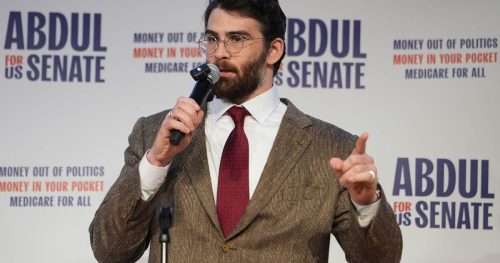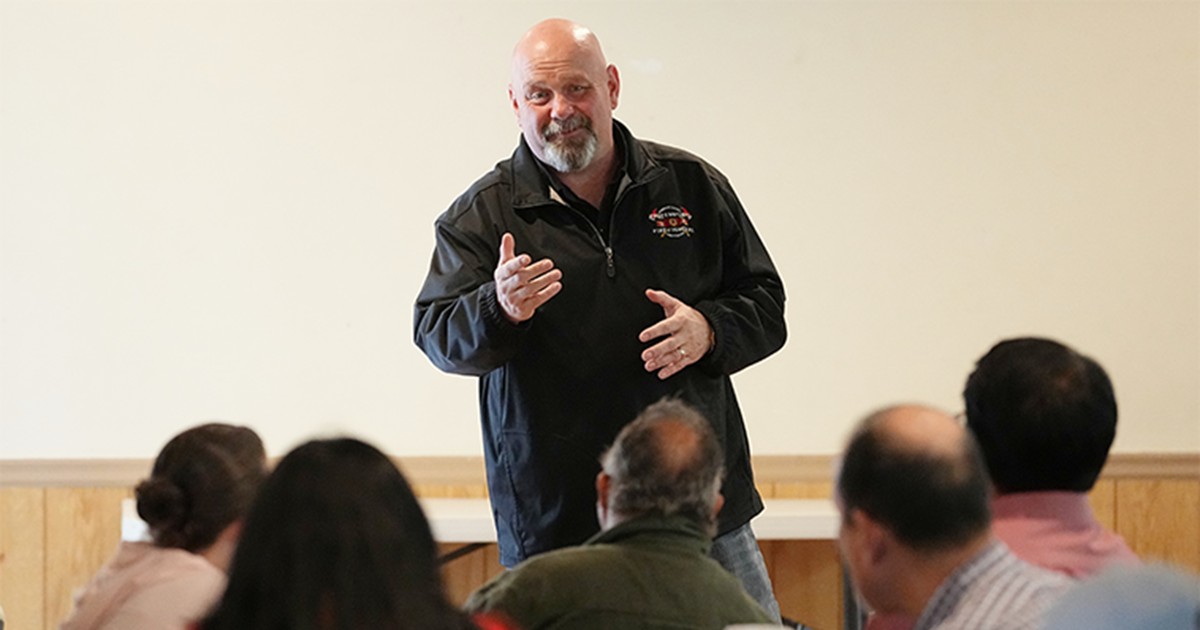
Bob Brooks, a Democrat running in Pennsylvania’s Seventh District, visibly stumbled when asked to define “working class” at a candidate forum, and that moment has become a focal point amid questions about his wealth, stock holdings, family litigation, and staged authenticity as the May 19 primary approaches.
At a recent candidate forum, Bob Brooks was put on the spot and failed to give a clear definition of “working class,” laughing and appearing flustered in front of voters. After fumbling his response, he offered, “Blue-collar? Does that help?” and then suggested taking the conversation privately rather than answering in public. That exchange quickly circulated and undercut the simple, plainspoken image he projects on the campaign trail.
Brooks’ campaign presents him as a populist voice, and his messaging leans heavily on the label “working-class fighter.” He describes himself as someone who would “bring a voice for working families to Congress,” language meant to connect with everyday voters. The gap between that pitch and the forum moment has left critics asking whether the image is more carefully produced branding than lived experience.
The contrast isn’t just about rhetoric. Brooks has publicly supported prohibitions on congressional stock trading and criticized billionaires for tax avoidance, yet his personal finances raise questions. Reports indicate he owns thousands of dollars of Amazon stock and could have a net worth exceeding $3.5 million, a reality that makes his working-class framing harder to swallow for skeptical voters. Those financial details have become a central talking point for opponents who argue authenticity matters.
Tension over manufactured relatability was amplified by footage that surfaced showing backstage coaching on how to appear like a regular person. Inadvertently published material captured a staffer advising on demeanor and even providing beer cans as props to make rehearsed moments look spontaneous. For voters weary of polished political theater, the visual of coaching undercuts claims of organic connection to ordinary life.
Family legal trouble has only added to the scrutiny. Brooks is facing a lawsuit from a relative who alleges he defrauded her of more than $162,000 in a property deal, while reportedly contributing only $100 toward the purchase. That kind of accusation raises questions about judgment and accountability that go beyond campaign speeches. Opponents have used the case to argue that personal conduct matters when judging fitness for office.
Despite those concerns, national Democrats have signaled support for Brooks as a promising pick ahead of the 2026 cycle, even naming him among target recruits in advance of the primary. That backing has drawn criticism from conservatives who see the party elite pushing candidates perceived as safe or stage-managed rather than genuinely rooted in their districts. The contrast between outside support and local skepticism has become part of the narrative in the Lehigh Valley contest.
“Bob Brooks is a fraud backed by the D.C. machine and far-left radicals who don’t have a clue about the realities of hardworking Pennsylvanians,” RNC Spokesperson Kristen Cianci told Townhall. “Brooks can’t be trusted to fight for the Lehigh Valley and voters know it.” Those words reflect a straightforward Republican critique: that elite backing and staged authenticity do not equal representation for working families.
With four Democrats set to compete in the PA-07 primary on May 19, watchers expect an intense scramble for the party’s nomination before a likely fall showdown with Republican incumbent Ryan Mackenzie. The race will hinge on which narrative voters buy: a carefully packaged candidate presented by national operatives or a challenger who can convincingly claim real ties to working Pennsylvanians. For many local voters, clear answers and consistent behavior will matter more than slogans or crafted moments.