The piece argues that the United Nations has failed women by empowering repressive regimes, tolerating atrocities, and promoting policies that undermine women’s safety, and it calls for dismantling the U.N. as a serious remedy.
The United Nations claims a noble mission, but in practice it often protects and amplifies the very forces that harm women. For decades the U.N. has given platforms and legitimacy to governments that deny basic rights to half their population. That reality undermines the organization’s credibility and challenges any claim that it is a force for women’s freedom.
Consider that UNRWA was embedded with Hamas on October 7, 2023, while Hamas systematically raped and murdered Israeli women. A detailed report released recently documented those crimes in graphic terms, and UNRWA employees aided and abetted these war crimes. Those are not abstract accusations; they are concrete failures by an agency operating under the U.N. umbrella.
The U.N.’s Commission on the Status of Women (CSW) includes member states where women lack full and equal rights, such as Saudi Arabia, Qatar, India, China, Nigeria, Mali, the Democratic Republic of the Congo, Ethiopia, and Morocco. Giving those governments influence over “women’s issues” is absurd and dangerous. When the same bodies decide international standards, women in oppressed countries get squeezed between hypocrisy and real harm.
Let women be.
Let women lead.
Let women thrive.
Let women speak up.
Let women represent.
Let women live peacefully.
Let women express themselves.
Let women control their bodies.Let women live.
— UN Women (@UN_Women) May 18, 2026
There is also selective moral clarity that exposes the Left-leaning instincts running much of the U.N. machinery. The organization will loudly champion transgender ideology and certain gun-control policies that, in practice, can put women at greater risk. Yet when it comes to confronting state actors who brutalize women, the response is slow, inconsistent, and often symbolic rather than forceful.
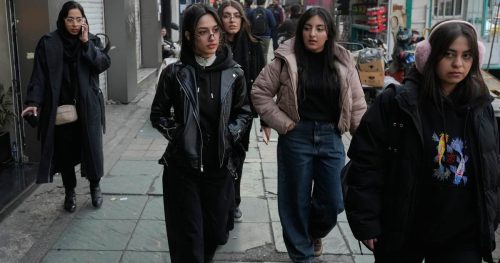
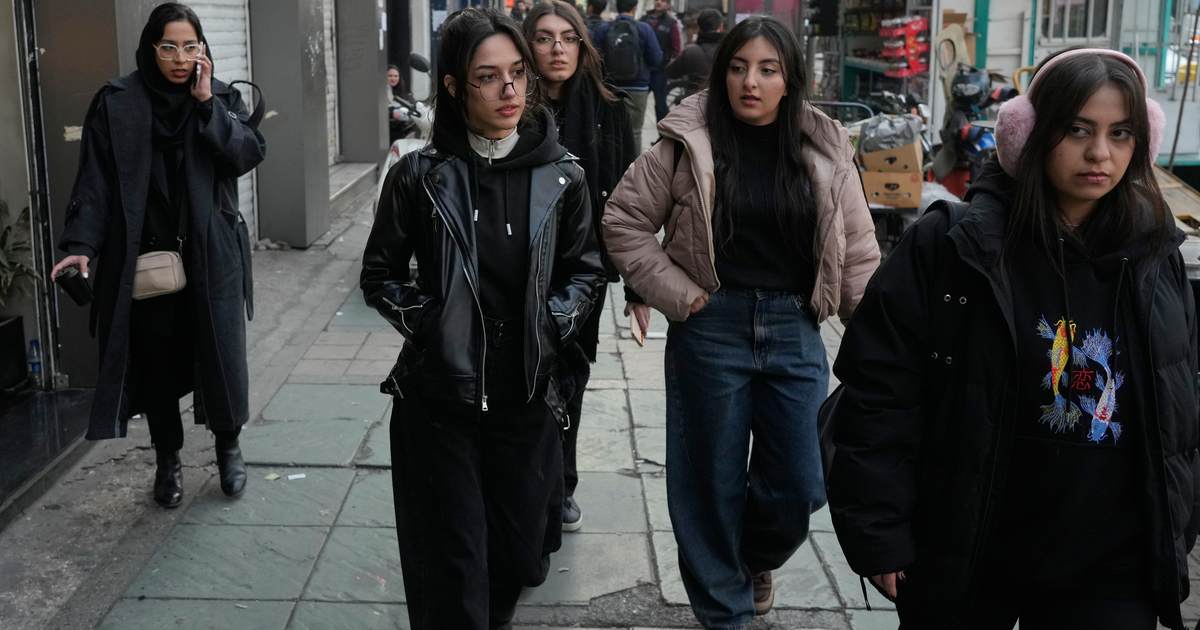
Look at Iran: it sat on the CSW until the death of Mahsa Amini made the world look away from bureaucracy and toward outrage. That tragic moment forced the U.N. to act — only after a global outcry. That belated move shows the U.N. reacts to headlines and pressure rather than consistently defending women’s rights as a matter of principle.
The pattern repeats across issues. Agencies and commissions within the U.N. sometimes push policies that sound progressive in Western capitals but produce bad outcomes on the ground. Whether through misdirected aid, prestige grants to abusers, or ideological campaigns that ignore cultural realities, those choices have consequences for women who face violence, legal discrimination, and economic exclusion.
From a conservative viewpoint, the core problem is institutional design and incentives. The U.N. is built to soothe rival governments, protect diplomatic balances, and avoid uncomfortable confrontations. That structure rewards paralysis and gives bad actors avenues to shield themselves with international ceremony. If the professed defender of human rights cannot act decisively, then its existence becomes a liability.
There are alternative ways to champion women that do not rely on an organization so compromised by politics and misplaced priorities. National governments, coalitions of like-minded democracies, civil society groups, and private aid can focus help where it’s needed without providing cover to regimes that oppress. When accountability, not prestige, drives action, women see real change.
Ending the United Nations is a blunt proposition, but it reflects the frustration of those who want clear, consistent support for women’s rights rather than hollow resolutions. The U.N. as currently constituted often legitimizes bad actors, tolerates institutional failure, and advances ideas that harm more than they help. At a minimum, the international order needs serious reform that prioritizes actual protection over international theater.
Ultimately this is about consequences. Women around the world need institutions that deliver safety, justice, and opportunity. When an organization repeatedly falls short and props up regimes and policies that hurt women, it is fair to question whether that institution should continue in its current form. If the goal is to let women live, we must stop pretending that mere declarations and committee seats are the same as real, accountable action.