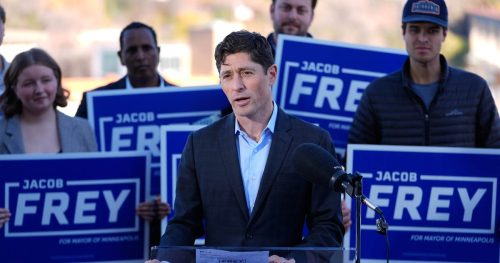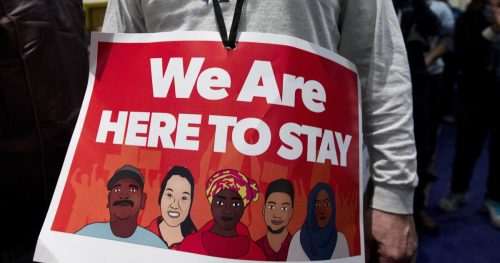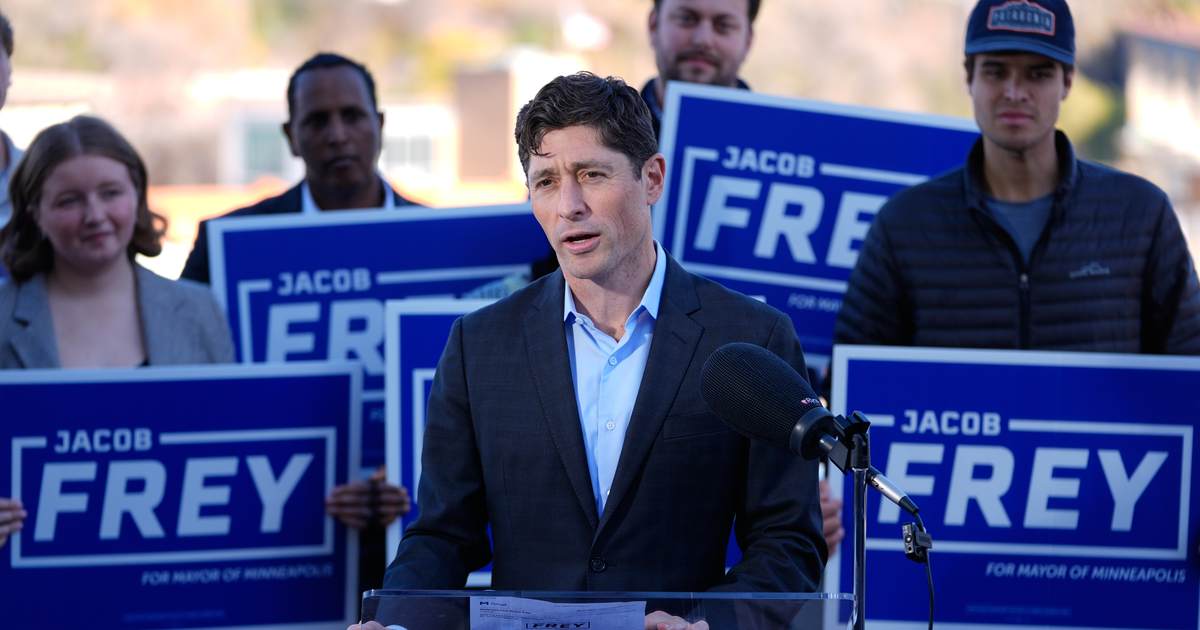
Minneapolis Mayor Jacob Frey acknowledged the true aim of recent anti-ICE demonstrations, confirming what many have suspected about the tactics used to disrupt federal enforcement. The admission underscores a broader political clash over law enforcement, immigration policy, and public order.
If you watch politics, you see a clear trend where progressive activists and their political allies lean on loud rhetoric and direct action to reshape policy outcomes. Those tactics have moved beyond speeches and into city streets, where protests sometimes cross the line into obstruction and intimidation. That pattern risks normalizing interference with federal law enforcement when local leaders do little to stop it.
Minneapolis Mayor Jacob Frey finally said openly what conservative observers have been saying for months: those demonstrations aimed to block ICE and Border Patrol operations. The protests were not just symbolic; they were tactical attempts to prevent enforcement and to pressure officials into pulling back.
“The goal here was not just to have ICE and Border Patrol leave Minneapolis and go to terrorize some other city,” Frey said. “The goal, and every single person felt it deeply, to stop ICE and Border Patrol in their tracks, to stand up for the endurance of our republic, to be patriots. We saw that by the tens of thousands of people who were peacefully protesting in the street.”
Minneapolis Mayor Jacob Frey says the goal of Democrats' riots was "to stop ICE and Border Patrol in their tracks" across the nation.
Democrats are intentionally causing chaos to protect criminal illegals. pic.twitter.com/zTGcw5yNm2
— RNC Research (@RNCResearch) May 19, 2026
That public claim of peaceful intent collides with scenes many Americans saw on video and in reporting: blockades, harassment, and confrontation aimed squarely at federal agents. Saying tens of thousands protested peacefully does not erase the violent episodes that accompanied these events. Local officials owe the public clearer boundaries between protest and criminality.
These incidents are not harmless civil disobedience when they intentionally disrupt lawful federal duties. Obstructing immigration enforcement is a direct challenge to the rule of law, and it creates a dangerous precedent where political ends justify illegal means. Communities deserve leaders who protect order and uphold the law rather than excuse or enable interference.
When municipal leaders either tacitly approve or fail to act, it signals to activists that intimidation works. That encourages escalation and forces federal officers into untenable choices between doing their jobs and avoiding conflict. The result is chaos at the expense of ordinary citizens who simply want safe, functioning communities.
Character judgments of elected officials are inevitable in this environment. He’s terrible. That blunt assessment reflects anger at leaders who appear to prioritize politics over public safety and legal responsibility. Voters will remember who stands with law enforcement and who lets political theater dictate enforcement actions.
Interference with federal law enforcement is a crime, and law should apply equally to everyone who crosses that line. Every individual who obstructs federal officers should face the legal consequences, regardless of their political sympathies. Accountability is not punishment for protest, it is the protection of the rule of law.
It is a mistake to treat this as merely a rhetorical battle between parties rather than a legal and civic crisis. Officials who fail to hold lawbreakers accountable erode the compact that keeps communities safe and predictable. Law enforcement must be able to carry out federal duties without political obstruction on city streets.
Watching this play out has been very tiresome for citizens who just want leaders to prioritize normalcy and public safety. The State of the Union theatrics aside, many voters see a disconnect between promises and governing. When officials place political calculation above enforcement, trust frays and problems get worse.
There is a clear political dynamic here: when one party benefits from lax enforcement and expanded de facto residency, incentives shift toward protecting those outcomes. They defend the tactics and then wonder why voters feel betrayed when public safety takes a back seat.
Democrats may seek electoral advantage, but many voters judge them on whether they will represent the needs of citizens first. That judgment will shape choices at the ballot box as communities decide who will stand for law, order, and the citizens they are supposed to serve.