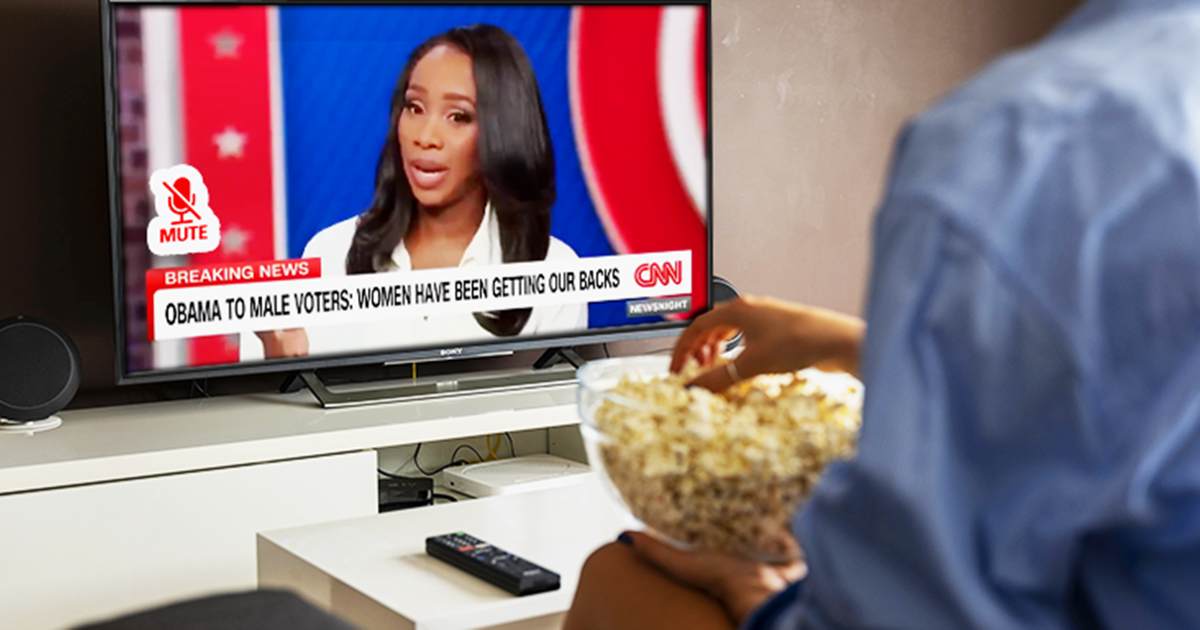
Abby Phillip called out Democrats and their media allies for years of hiding clear signs that Joe Biden was not fit to lead, with newly surfaced clips from Jill Biden’s interview undercutting the party’s earlier denials.
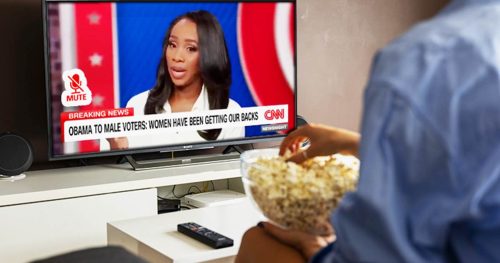
CNN’s Abby Phillip tore into Democrats for what she described as a long campaign to gloss over Joe Biden’s obvious struggles, and she did it while previewing a new interview with Jill Biden. Phillip played excerpts where Jill admits she was frightened by what she saw during the debate and offers a reaction that now clashes with earlier public statements. “It’s the first time that we’ve heard her express any concern about that debate that ultimately ended Joe Biden’s 2024 campaign,” Phillip said, and the remark landed like a charge against years of obfuscation. The moment lays bare a gap between choreographed messaging and raw private fear that the public deserves to see.
The preview clip includes the interviewer asking Jill Biden, “Were you horrified as you saw it unfold?” and Jill answering with words that cut through spin: “I wasn’t horrified,” Jill responds. “I was frightened because I had never, ever seen Joe like that before or since.” Those sentences, simple and unvarnished, contradict the upbeat lines that followed immediately after the debate and force a fresh look at what the family and the campaign were willing to tell voters. The contrast is stark and it raises obvious questions about why concern was soft-pedaled.
Jill doubles down on that private alarm in the clip when she says she had “Never seen him like that” and recalls thinking, “oh my God, he’s having a stroke,” adding that “it scared me to death.” Those words are not political theater; they are the reaction of a spouse witnessing something unexpected and terrifying. The admission highlights a gap between the image Democrats were selling and the reality a close family member perceived in real time. For a political party to present a different public face while a spouse describes fear is a problem for voters deciding who to trust.
Phillip also played footage from immediately after the debate where Jill Biden praised her husband on stage, saying, “Joe, you did such a great job. You answered every question. You knew all the facts. And let me ask the crowd, what did Trump do?” That upbeat performance, captured minutes after the event, sits oddly next to the private reaction Jill describes later. The swing from public praise to private alarm looks less like spontaneous support than like damage control, and that impression is difficult to shake. It’s what conservatives and many independent voters saw as a calculated effort to manage optics rather than address underlying issues.
Even commentators on the left have admitted unease. Leftist podcaster Jemele Hill offered a candid take: “When you you tell a lot of people right to their face, they have a tendency to not trust you,” she said. “And, you know, a lot of people knew something was wrong with Joe Biden. I went to a dinner in Detroit, an AACP dinner. He was the guest speaker. His speech was great. But seeing him just make the walk to the stage, I was concerned. I was like, ‘Hey, this dude doesn’t look right.’” Hill’s anecdote is an example of how many people noticed problems long before officials and friendly anchors admitted them. That kind of firsthand observation matters, and it should have triggered transparency instead of silence.
Phillip made a pointed moral case about what this all means: she said she appreciates that Jill Biden is somewhat telling the truth about her husband but warned that “the conversation should be had about the deceptiveness that was behind this.” She added a hard question for the system: “What kind of political system covers that up and makes it okay to lie to people about what everybody knows is true?” Those lines are blunt and aimed squarely at the party operatives, campaign staff, and friendly media who smoothed over evidence of decline. From a Republican standpoint, accountability starts with admitting what was hidden and why.
After the 2024 election, the same media outlets and Democratic operatives who spent years insisting Biden was fully capable finally began to acknowledge problems they had long downplayed. It wasn’t a graceful pivot; it looked, to many, like a belated concession once the political calculus changed. The curtain came down and the Wizard of Oz image stuck: the people who had insisted on competence were suddenly pointing to new narratives to explain away their earlier certainty. That maneuver has cost the institutions involved a lot of credibility.
The fallout is predictable: trust in mainstream outlets and party messaging has sunk even further, and Republicans are sharpening their critique that voters were misled. Conservative voices argue that this pattern—protecting power by protecting a candidate’s image—undermines the democratic bargain between leaders and the public. If the media and political class treat obvious questions as taboo, the only result is deeper cynicism and a harder fight to restore basic transparency.
Republican critics say this episode should be a lesson on why openness matters in a free society: voters deserve truthful information about who seeks the Oval Office and how well they can do the job. Those who covered for Biden and cheered on the cover-up will face sustained scrutiny, and the GOP will keep pressing for answers about who decided to hide the obvious and what rules allowed it to happen.
https://x.com/jeffcharlesjr/status/2060006964189630718