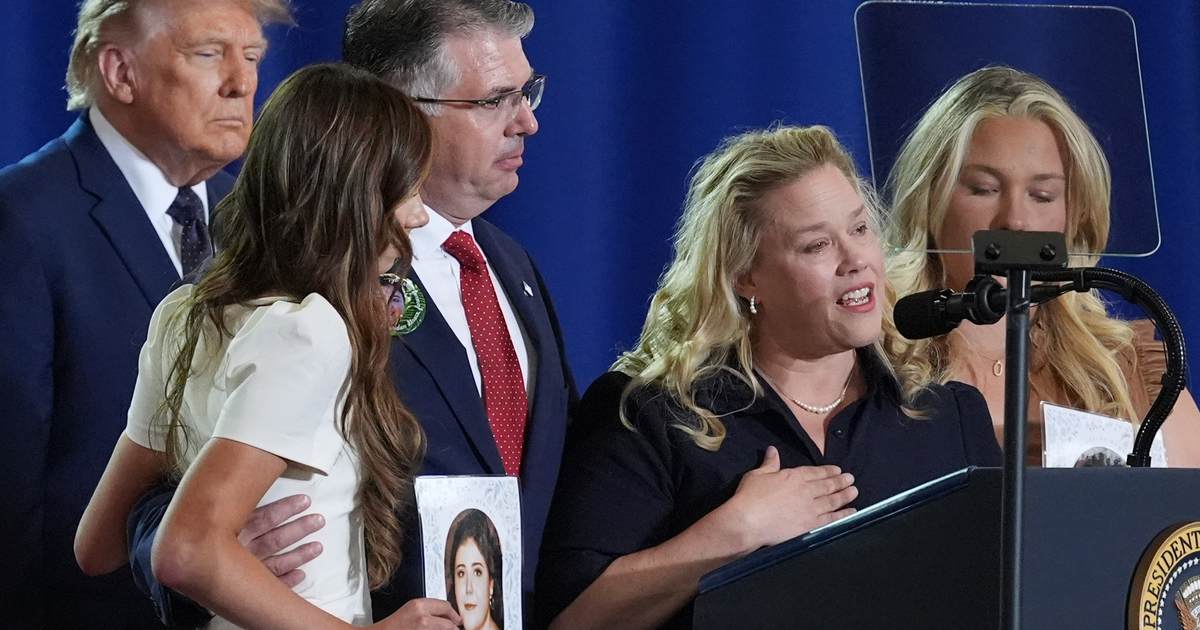
Sheridan Gorman, an 18-year-old student, was shot and killed near Loyola University Chicago, and her parents say local sanctuary policies let their daughter’s alleged killer slip through the system; the suspect, identified as 26-year-old Jose Medina, was later found with a homemade weapon while jailed awaiting trial.
As clashes continue outside a New Jersey ICE detention center, Sheridan Gorman’s parents have stepped forward to make a blunt point: policies that restrict cooperation with federal immigration authorities can have deadly consequences. They say the facts of this case — repeated releases and missed enforcement opportunities — show a system tilted toward protecting offenders instead of victims. Their message is direct and angry, grounded in grief and a demand for accountability.
Sheridan was 18 when she was shot and killed less than a mile from the Loyola University Chicago campus where she studied. Authorities arrested an alleged suspect, Jose Medina, who had entered the United States from Venezuela in 2023. While awaiting trial for the murder, jail staff say he was found in possession of a shank, raising fresh questions about how dangerous individuals are handled once in custody.
https://x.com/FoxUSNews/status/2060506745005621563
Tom and Jessica Gorman have publicly blamed Chicago’s sanctuary policies for the chain of choices that led to their daughter’s death. They point to encounters in which Medina was detained and released without federal notification, arguing those moments were missed chances to prevent the tragedy. Their statements calendar a wider debate about public safety, local discretion, and federal immigration law.
“Let’s stop pretending this man is harmless… He was a danger outside, and he is apparently a danger inside. These policies did not protect Sheridan. They protected him.” Tom Gorman said, pushing back against officials who defend noncooperation rules. Outside the courthouse he also added, “I hear our Governor talk about these policies as if it’s this great wonderful thing, and it triggers us.”
Jessica Gorman spoke through tears and frustration, asking people to imagine the horror of watching a child run for their life and never return. She said, “Imagine your child running for their life and never coming home, and then tell me how you would vote for these policies.” Those words have resonated widely because they cut through policy jargon and force a human response.
Reports indicate Medina entered the U.S. from Venezuela in 2023 and was detained by authorities on multiple occasions before the fatal shooting. According to the timeline shared by the family and investigative updates, he was released twice under Chicago’s sanctuary rules and there was a warrant out at the time of the shooting. Those details fuel calls from conservatives for stricter cooperation with federal immigration enforcement.
The Gormans have used their platform to challenge elected leaders who defend sanctuary measures as humane or necessary. They argue those policies create perverse incentives and shield people who pose a public-safety risk, rather than prioritizing victims or preventing violent crime. From their perspective, policy talk about compassion rings hollow when it results in preventable loss.
Local officials who support sanctuary approaches contend those policies help build trust with immigrant communities so more crimes get reported, and they warn against blanket cooperation that could lead to civil liberties violations. But the Gormans and their supporters say that argument collapses if enforcement gaps enable repeat offenders to remain free. Their stance insists on a recalibration: protecting communities means enforcing the law, not sheltering those who flout it.
Beyond the immediate outrage over one case, the Gormans’ story has become a touchpoint in the national immigration debate, used by advocates on the right to argue for tougher border and interior enforcement. They emphasize concrete fixes — better information sharing, honoring federal detainers when public safety is at stake, and ensuring dangerous individuals are not released back into neighborhoods. For grieving parents, policy becomes personal and the question of priorities becomes stark and urgent.