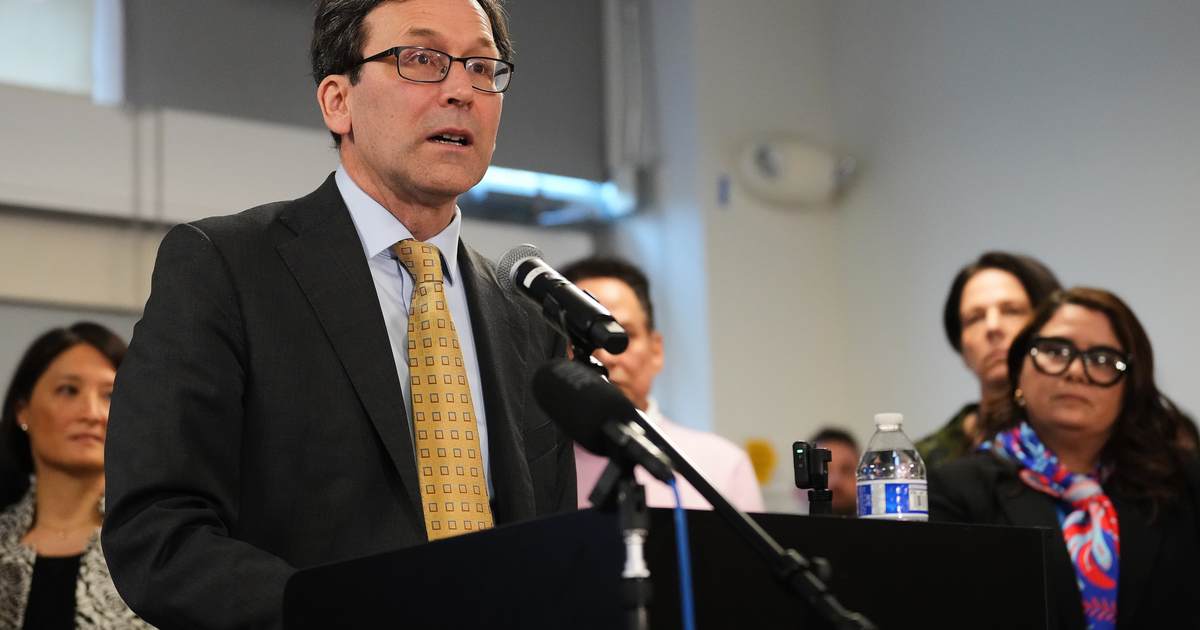
Washington Governor Bob Ferguson signed an executive order requiring menopause and perimenopause accommodations for state employees, setting a template for private employers and ordering state agencies to revise policies and training to support affected workers.
Governor Ferguson announced an immediate executive order aimed at supporting employees who experience perimenopause and menopause symptoms, assigning the Washington State Women’s Commission and the Office of Financial Management to review existing rules. The order operates within current discrimination law and directs those agencies to develop accommodation procedures and training materials. It does not list specific accommodations or an implementation timeline beyond that review and model guidance.
The administration framed the move as a retention effort, saying experienced women are leaving the workforce because employers are not prepared to respond to natural life changes. Ferguson linked the order to concerns about declining numbers of women at work, arguing the state should model how to keep seasoned employees engaged. The language places responsibility on government to invent workplace solutions for a biological reality that has long been managed privately between employee and employer.
https://x.com/GovBobFerguson/status/2061550062501818863
Details are thin: the order asks state bodies to update policies and create training, but it stops short of spelling out what reasonable accommodations would look like. That vagueness raises questions about how offices will balance productivity with individualized needs and whether supervisors will be trained to identify or document symptoms. Without specific standards, agencies may default to costly or inconsistent practices that vary by department.
The move will affect state agencies right away and is meant to serve as a model for private businesses, creating pressure on employers to follow suit. Private companies may feel compelled to match state policy to avoid claims of unfair treatment, even if they have no legal obligation beyond existing discrimination protections. That ripple effect could drive compliance costs and administrative burdens for small employers already squeezed by inflation and labor market shifts.
Ferguson justified the order by pointing to workforce retention and the value of experienced staff, framing the action as common-sense support for workers. The rhetoric positions the state as a protector of employee longevity while implying current employment practices are inadequate. For critics, the question is whether government should be crafting workplace rules for a life stage that varies widely from person to person.
“We are losing women in the workforce with tremendous knowledge and experience because we are not doing enough to prepare for a natural stage of life. As governor, my Administration will be a place where the best, most experienced workers can come serve the people of Washington, and know that they will be supported. We must do more to support women, and to support employers who want to keep their experienced staff in the workforce. This Executive Order ensures Washington will remain a leader in supporting our workers.”
The order lands amid broader political fights over gender, identity, and public policy in Washington state, where the governor has previously taken liberal stances on contentious cultural issues. That track record fuels skepticism among conservatives who worry the policy could be expanded beyond biological women or be interpreted in ways that complicate sex-based distinctions in law. The statement raises a direct concern: will the term woman be narrowly defined or stretched to include individuals based on identity rather than biology?
Those questions are not hypothetical in a state that has debated gender policy across multiple fronts, from healthcare to public facilities. Observers note the governor’s past positions make it hard to predict whether this order will be enforced strictly along biological lines or used to support broader identity-based claims. The ambiguity invites legal challenges and confusion for employers trying to comply without clear statutory guidance.
At the same time, Washington’s economy faces headwinds: local data points to rising unemployment and inflation that outpaces wage growth, straining households and businesses. Critics argue the governor’s focus should be on economic recovery and job creation rather than expanding administrative requirements in the workplace. When employers are juggling layoffs and thin margins, new state-driven models for accommodations could be another cost to manage.
Practical questions remain about how supervisors will document needs, what accommodations are reasonable, and how to protect privacy while preventing discrimination claims. Employers typically handle health-related accommodations through standard HR processes, but this order suggests a specialized approach that will require training and policy changes. Smaller public offices and private firms could struggle to implement guidance without clear funding or operational support.
Supporters will say the order fills a gap for workers dealing with a disruptive life stage, while opponents see it as another example of government overreach into private workplace decisions. Either way, the directive sets a tone: Washington will be pushing a model of workplace support that could influence employers and legislators across the country. The real test will be how the state translates broad language into concrete, consistent policies that respect both workers’ needs and employers’ operational realities.