Quick roundup of tonight’s primaries and what California’s slow count and a viral tweet reveal about the state’s political drama and long ballot delays.
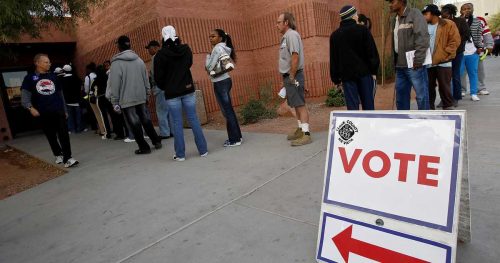
Election Night stretches from New Jersey to California, with primaries across gubernatorial, Senate, mayoral, and congressional contests. Voters and campaigns will be watching a mix of open seats, vulnerable incumbents, and high-profile matchups that could shape November’s map. The attention, though, keeps snapping back to California, where counting delays and unusual dynamics are dominating the conversation.
New Jersey voters will learn who faces the absent Rep. Tom Kean, Jr., who has been out for weeks seeking treatment at a center where photography is not allowed. He’s been described as this cycle’s most vulnerable Republican. South Dakota could push a crowded Republican gubernatorial primary into a runoff, and Iowa will pick contenders to replace Sen. Joni Ernst after her decision not to seek re-election.
Montana’s open House seat is notable because Rep. Ryan Zinke is retiring, making the Republican primary winner the favorite in the general. Democrats will try to flip it, but history shows they often overpromise on pickups. Meanwhile, California’s ballots, dozens of congressional fights, and Los Angeles’ mayoral race make the state the headline, even if results won’t arrive quickly.
California’s counting is infamous for glacial speed, and Nate Silver even called the Golden State’s ballot-counting duration “insane.” Decision Desk ran a detailed rundown of the state’s top contests, and the drama centers on the governor’s primary, the top-two system, late mail ballots, and a quirky mix of candidates who complicate early reads. Expect early returns to show more Republicans until later-counted ballots shift totals toward Democrats, a phenomenon often labeled a red mirage.
https://x.com/NateSilver538/status/2061670901394047276?ref_src=twsrc%5Etfw
California’s primary uses the top-two system where all candidates run together and the top two, regardless of party, advance. The governor’s race has been volatile: Republican Steve Hilton consolidated GOP support after a high-profile endorsement, while Democratic figures such as Xavier Becerra and Tom Steyer split progressive attention. Polling averages put Becerra and Hilton near 23-24% and Steyer around 19%, with Riverside County Sheriff Chad Bianco at about 11%.
Steyer’s campaign shows that mountains of cash do not guarantee victory; as of May 29 he had spent or reserved $201 million in ads, mostly his own money, yet his support lagged. Becerra, by contrast, has much less ad spending—about $24 million—but decades of public service and name recognition have steadied him, and he could become the first Latino elected governor in the state’s modern history.
The late-count trend matters because many Democrats wait to return ballots, meaning early tallies can show two Republicans advancing and then later tilt back toward Democrats as mail ballots are processed. That volatility can flip races and avoid so-called lockouts where one party is entirely shut out of the general election slots.
Los Angeles’ mayoral field is messy and technically nonpartisan, but party leanings are clear. Incumbent Karen Bass polls around 26%, while reality TV figure Spencer Pratt sits near 18% and City Councilmember Nithya Raman around 16%. Bass drew criticism for wildfire responses that sparked Pratt’s candidacy; Pratt’s campaign has leaned on viral and AI-generated content to boost visibility, while Raman pulls support from the left.
Despite weaknesses, Bass is still the likeliest front-runner to advance in deep-blue Los Angeles, and conservatives hope Pratt’s surge will force a Bass-versus-Pratt November — a long shot in the city’s partisan environment. Labor-backed messaging has sometimes targeted Pratt in ways that also help consolidate conservative support behind him, showing how tactical ad buys can shape who survives to the next round.
After all the counting is done, we might as well set our calendars for the year 2150 if California keeps this pace. This is not a new complaint; during the 2024 primaries, even left-leaning reporters noted how ridiculous it is that California cannot count ballots in a timely way, and that frustration looks set to repeat.