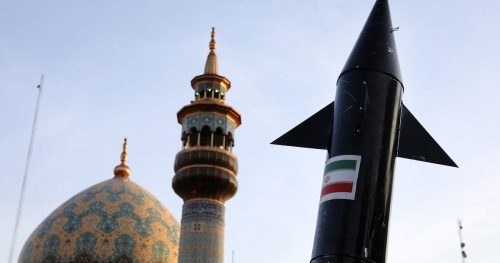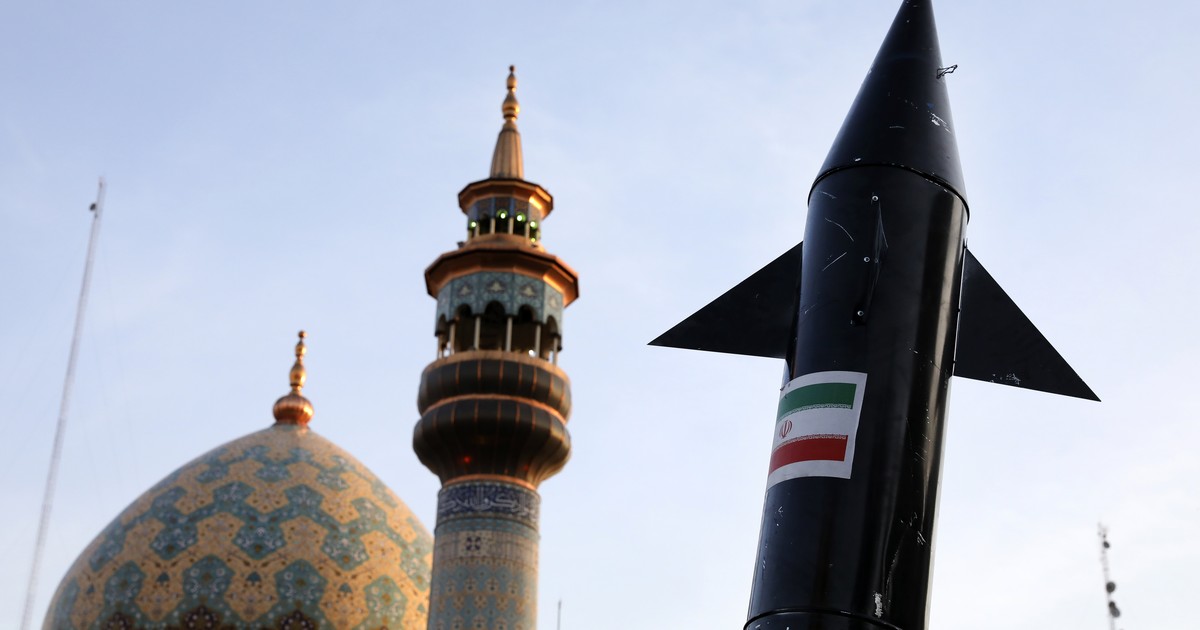
The recent massive Iranian missile and drone wave targeting U.S. bases in Kuwait, Bahrain and Iraq represents a sharp escalation that has tested regional defenses and put American forces on high alert.
The Islamic Republic of Iran launched a broad strike campaign against U.S. military positions in Kuwait, Bahrain and Iraq, sending missiles and drones toward facilities and nearby population centers. Air defenses over several cities engaged incoming threats, with explosions visible high above urban areas as interceptors and countermeasures activated. At this point it remains uncertain whether any Iranian munitions struck their intended military targets.
The Revolutionary Guard issued a statement after the barrage, framing the action as retaliation and describing the attacks as massive and escalating in scope. The release blamed American actions on the island of Qeshm, saying they followed what Iran called strikes aimed at radar and drone capabilities. That narrative casts Tehran as responding to a prior limited U.S. countermeasure.
https://x.com/nicksortor/status/2061946128946401782
The Iranians also used blunt threats in their public messaging, warning that “any new foolishness” on the part of American forces would produce a “crushing and decisive response.” They further vowed the IRGC “would not hesitate to reduce all the aggressors’ and interests in the region to ashes.” Those lines make clear Tehran intends to keep pressure high while trying to deter further U.S. moves.
On the ground, U.S. commanders and coalition partners scrambled to assess damage, secure facilities and track unexploded ordnance, while missile defense systems continued to operate in contested airspace. Real-time reporting suggested defensive systems succeeded in intercepting many threats, but the full tally of intercepted, failed and falling rounds will only come after detailed post-strike analysis. The operational tempo and strain on regional forces have increased, complicating logistics and base defense routines.
From a strategic perspective, Tehran’s decision to launch a sizable swarm of missiles and drones marks a deliberate escalation meant to test both resolve and capability. Iranian leaders appear to be betting that a high-profile show of force can alter diplomatic dynamics without dragging the conflict into a wider war. That calculation is risky; misfires, civilian harm or a successful strike on a coalition asset could force a much firmer response.
Casualty reports so far are limited: American officials have confirmed 13 U.S. fatalities over the broader conflict period, even as Iran’s command and military networks have been degraded by targeted counterattacks. That contrast — relatively low U.S. fatalities alongside significant pressure on Iranian leadership and military nodes — is part of the picture Republicans point to when arguing for sustained pressure and decisive defense actions. The goal from that perspective is to deter further aggression while protecting troops and interests overseas.
This escalation also complicates ongoing diplomatic tracks. Negotiations and peace talks that seemed to be moving forward face renewed uncertainty, and President Donald Trump’s past indications that deals were near now run headfirst into a hardened Tehran posture. For Republican-leaning policymakers, the calculus is straightforward: negotiations are only credible if backed by demonstrable strength and clear consequences for attacks on U.S. forces.
Policymakers must weigh options carefully. Some will argue for stepped-up strikes on Iranian infrastructure to degrade launch capabilities, while others will press for tighter sanctions and coalition-building to isolate Tehran economically and diplomatically. Whatever path is chosen, the immediate priority will be secure bases, protect service members and ensure allies coordinate on defensive and intelligence measures.
The coming days will reveal whether Iran intends this as a one-time show of force or the opening of a sustained campaign to pressure U.S. presence in the region. For now, the U.S. military and its partners are focused on damage assessment, force protection and preparing to respond to any follow-on attacks. The broader strategic fight over influence, security and deterrence in the Middle East continues to unfold under a very dangerous cloud.