A Maine Senate candidate abruptly cut short a trip to Washington and New York as fresh personal scandals surfaced, leaving his team scrambling and Republican opponents sharpening their critiques.
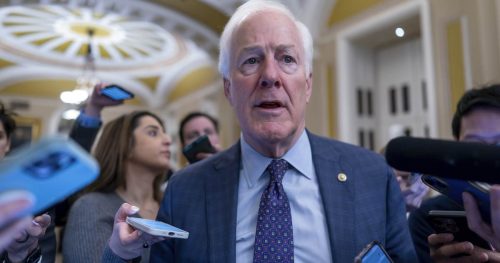
Graham Platner’s Washington visit ended sooner than planned after Senate Democrats met with him and tossed out the tired lines of optimism. Staffers left the podium with the chant ‘we’re going to win Maine’ ringing in the air while Platner refused to take questions. The optics were awkward and immediate; elected officials in D.C. were publicly backing someone who then vanished back to Maine.
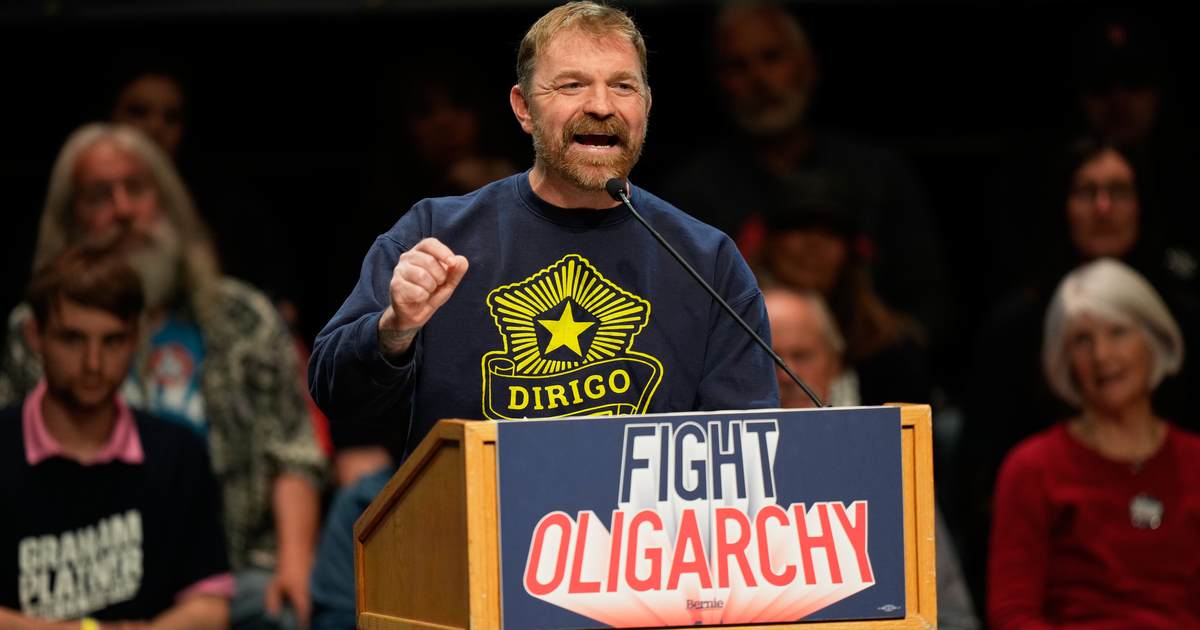
The candidate, an oyster farmer by trade, has presented an unusual public image that includes living partly on disability benefits and, according to reporting, sports SS tattoos. He had planned additional appearances in New York, events that were quietly scrubbed when reporters started asking about his family and personal life. Instead of staying to answer reporters, Platner flew home, leaving allies to explain why a campaign suddenly went dark.
Over the weekend Platner was accused in a sexting scandal that campaign spokespeople did not manage well under pressure. Reporters also found an account linked to him on Kik, which has been described in some outlets as a notorious haven for pedophiles. Those two revelations landed close together and created real political headaches that cannot be wished away with a press release or a flurry of talking points.
https://x.com/igorbobic/status/2061978139018903886?ref_src=twsrc%5Etfw
Details about his finances added another layer of concern when it emerged that his father lent him $200,000 to buy a home, a claim that clashes with the campaign’s prior explanation that the purchase came through a VA loan. That contradiction is striking because Platner has repeatedly positioned himself as a working-class outsider with a particular narrative about how he supports himself. Voters who care about honesty are likely to notice the gap between what was said and what the public records suggest.
The pattern of contradictory explanations has fed a growing impression that Platner’s public persona and his private reality do not line up. That matters because campaigns trade on trust; once that trust frays, the work of persuasion becomes exponentially harder. Republican strategists are already pointing out the inconsistencies and framing them as emblematic of bigger questions about vetting and accountability within the opposing party.
Democrats in Washington who rallied around Platner face their own problems now that he has recoiled from questions and returned home. Supporting a candidate who declines to address serious allegations is a poor look for anyone who claims to value transparency. For Republicans and independents watching the race, the image of a hurried retreat will be useful in debates and ad copy.
The contest against Sen. Susan Collins (R-ME) was always going to be competitive, but campaigns can be made or broken on character and credibility. Platner’s abrupt departure from D.C. reshuffles the conversation in a race where steady, clear answers matter to swing voters. Collins’ team will be ready to exploit the uncertainty and turn the focus to reliability and steady governance.
Beyond headlines and sound bites, there are practical questions that deserve answers: who is advising Platner, how thoroughly were his claims vetted, and how will his campaign restore credibility if it can at all. Republican critics are asking those questions loudly because the stakes are the U.S. Senate and the balance of power. This is not just a media cycle problem; it is a campaign problem that requires a robust response.
For voters in Maine, the story is less about national theater and more about judgment and representation. They will weigh whether a candidate’s personal history and conduct match the duties of the office. In the meantime, Platner’s abrupt return to Maine and the unanswered questions he left behind are shaping the conversation and giving his opponents material that will not disappear when headlines do.