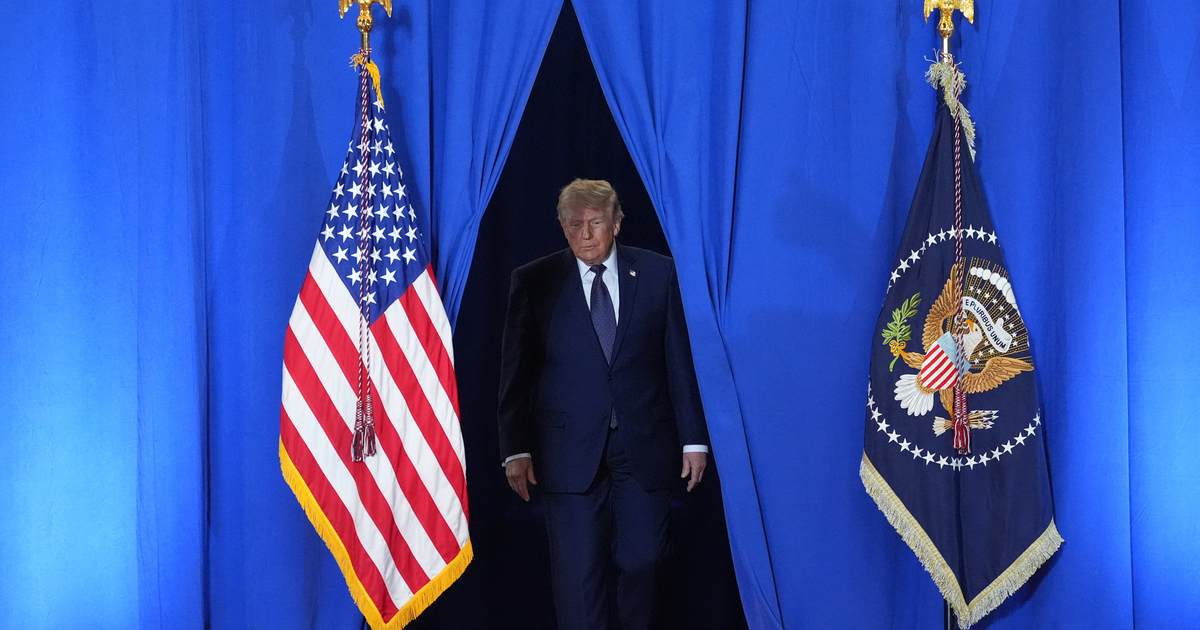
President Trump warned Iran to stop missile strikes on Israel and urged both sides to stand down so diplomacy can proceed toward a deal, saying hostilities risk scuttling a near-complete agreement.
President Donald Trump made a direct appeal to Tehran after reports that Iran launched ballistic missiles at Israel, urging restraint and a return to negotiations. He told Israeli leadership not to escalate the situation, arguing that more strikes would only prolong conflict that has lasted generations. Trump emphasized the practical goal of preventing a regional spiral that would undermine a negotiated settlement.
According to reporting that relayed Trump’s comments, the president also spoke with Israeli Prime Minister Benjamin Netanyahu and asked him not to retaliate after the missile barrage. Trump asserted there were no casualties from the Iranian missile fire, a point he used to justify calling for calm rather than immediate military response. In his view, measured diplomacy now can save lives and preserve the chance for a final agreement.
Trump made clear he did not want either side to respond with more strikes when he warned that retaliation would only continue a cycle of violence. He framed the events in historical perspective, noting how long the region has been embroiled in conflict and arguing that another round of attacks would simply extend that suffering. The president underlined that both parties have already struck and that additional action is unnecessary.
https://x.com/RapidResponse47/status/2063713939226083575
“The Iranian missile fire didn’t hit anyone. I hope Israel doesn’t respond. If Bibi attacks them back, it’ll just drag on like it has for the past 47 years, or the past 3,000 years.” Trump added, “We’re very close to a final deal with Iran. It’ll be a good deal. I don’t want it to blow up because of what’s happening now. “I’m about to call Bibi right now and tell him not to respond. Both of them have already done their part. Israel had its strike and Iran had its strike. We don’t need another one.”
From a Republican perspective, the case for restraint is straightforward: win the diplomatic prize without getting bogged down in perpetual conflict. Trump framed the negotiation as achievable and near completion, suggesting that a tactical pause in retaliation could lock in long-term strategic gains. The president’s message was explicitly transactional: avoid immediate escalation to secure a tangible, final agreement.
The impulse to respond militarily runs deep on all sides, but Trump argued that measured statesmanship can outmaneuver endless reprisal. He urged leaders to weigh the cost of continuing hostilities against the concrete benefits of a negotiated settlement that could de-escalate a volatile region. That argument pushes national interest over short-term showdowns and insists on maximizing outcomes through dealmaking.
The president’s intervention came amid tense regional dynamics and high public attention to any strike between Iran and Israel, with officials and observers watching for signs of broader engagement. Trump used phone diplomacy to try to defuse the immediate crisis and to protect what he described as progress toward a final agreement. His approach emphasizes leverage and timing, pressing leaders to act in ways that preserve negotiating momentum.
Critics will argue that backing off invites aggression, while supporters say restraint can secure a lasting diplomatic win. Trump clearly sided with the latter: protect the pathway to a deal now, and avoid steps that could unravel hard-fought progress. In his telling, the alternatives are either risking the deal through immediate retaliation or seizing a diplomatic opening that could stabilize the region.
The White House stance, as reflected in Trump’s remarks, is to prioritize an outcome that reduces long-term threats rather than indulging in short-term retaliatory responses. That posture is consistent with a strategy of using American influence to shepherd rival parties back to the table. It also signals to allies and adversaries alike that diplomacy backed by firmness, not constant military action, is the preferred route.
Editor’s Note: Do you enjoy Townhall’s conservative reporting that takes on the radical Left and woke media? Support our work so that we can continue to bring you the truth.
Join Townhall VIP and use promo code FIGHT to receive 60% off your membership.