Iran launched ballistic missiles toward Israel and Israel’s defenses moved quickly to intercept, while officials warn the public to follow shelter alerts as tensions in the region rise.
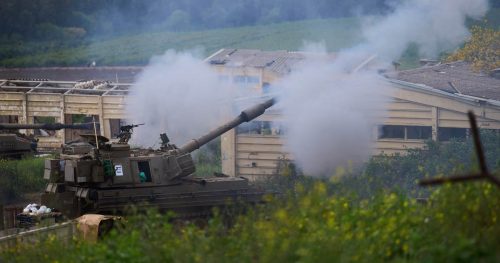
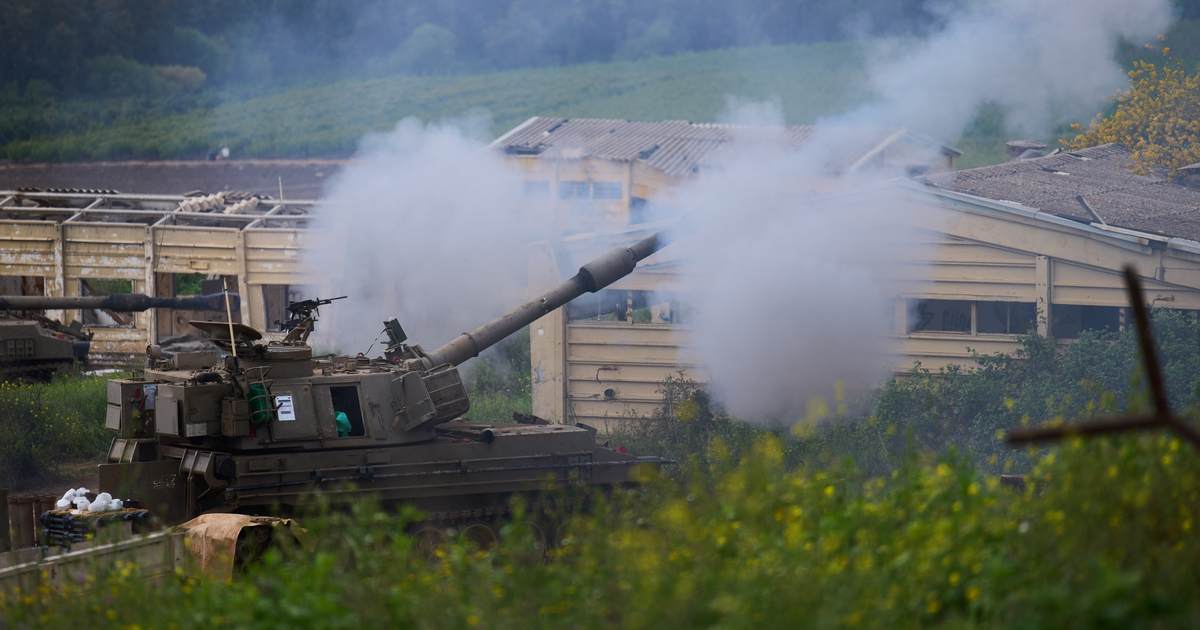
Iran fired ballistic missiles toward Israeli territory, the Israeli Air Force said, prompting a rapid response from Israel’s air defenses. Israel reported intercept actions and emergency alerts were pushed to mobile phones in areas deemed at risk. The situation unfolded amid a period of heightened exchanges across the region that have already drawn in multiple actors.
The missile release came after Israeli strikes on Beirut over the weekend, actions Israel described as retaliation for a Hezbollah missile attack. Those earlier strikes raised the stakes between Israel and Tehran’s proxies across Lebanon and Syria. The new missile activity marks a dangerous uptick that tests the region’s fragile balance.
“The IDF has identified that a short time ago, missiles were launched from Iran toward the territory of the State of Israel,” the Israeli Air Force posted on X. “Defense systems are operating to intercept the threat. In the last few minutes, the Home Front Command has issued a preliminary directive directly to mobile phones in the relevant areas. The public is requested to exercise responsibility and act in accordance with the directives – they save lives. One must enter protected spaces upon receiving the alert and remain in them until a new announcement. Exit from the protected space will be permitted only after receiving an explicit directive; continue to act in accordance with Home Front Command directives.”
Footage that circulated online showed interceptors engaging incoming threats, and those clips underline how much Israel’s layered air defenses have improved since past conflicts. The visual record of interceptions bolstered immediate public confidence even as officials warned that more launches could follow. Local emergency services remained on high alert while authorities managed civilian safety measures.
https://x.com/IAFsite/status/2063698302198321410?ref_src=twsrc%5Etfw
The United States and Israel have been conducting strikes against Iranian targets since Feb. 28, a campaign that has continued alongside diplomatic efforts. Officials from both capitals have been negotiating for weeks without reaching an agreement to halt hostilities. That mix of military pressure and stalled talks increases the chance of miscalculation as each side watches the other’s moves closely.
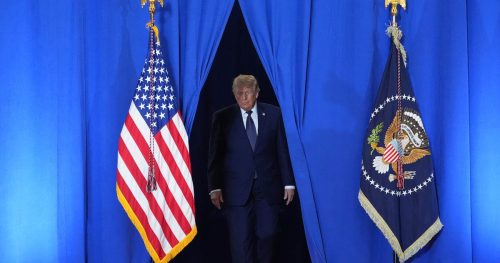
From a Republican point of view, this episode underscores the necessity of a clear deterrent posture: Iran must face consequences when it attacks an ally of the United States. Strength and clarity matter more than vague negotiations that leave adversaries room to act. Supporting Israel’s right to defend itself and ensuring U.S. military and intelligence cooperation remains robust should be nonnegotiable.
The broader regional picture is worrying because local proxies like Hezbollah and Iranian-backed militias can widen a confrontation fast. Lebanon and Syria sit on the fault lines, and a single misfire or misread order could drag multiple capitals into direct conflict. Policymakers must recognize that deterrence is not passive; it requires readiness and coordinated defense planning with partners on the ground.
At home, Republican leaders are likely to press for tougher measures against Tehran: expanded sanctions, sustained military support to Israel, and tighter export controls that choke off Iran’s missile and drone programs. The objective is to ratchet up costs for bad behavior while avoiding open-ended commitments that lack clear political goals. Lawmakers who favor firmness argue that showing resolve now prevents larger wars later.
Civilian safety remains the immediate priority for Israeli authorities, and the Home Front Command’s mobile alerts reflect a disciplined public-safety approach. Hospitals and emergency responders are being prepared for potential casualties while air defense crews stay on continuous watch. In parallel, intelligence services will be working to trace launch origins and to deter follow-on strikes against both military and civilian targets.
As events unfold, the key variables will be whether Iran sustains missile launches and how Israel, the United States, and regional partners choose to respond. Military capability, diplomatic resolve, and the political will to impose stiff penalties will shape the next phase. For now, citizens in affected areas are being asked to follow official shelter directives until authorities say otherwise.