Graham Platner’s campaign is built on spectacle, old grievances, and a set of election ideas that deserve scrutiny from skeptical voters.
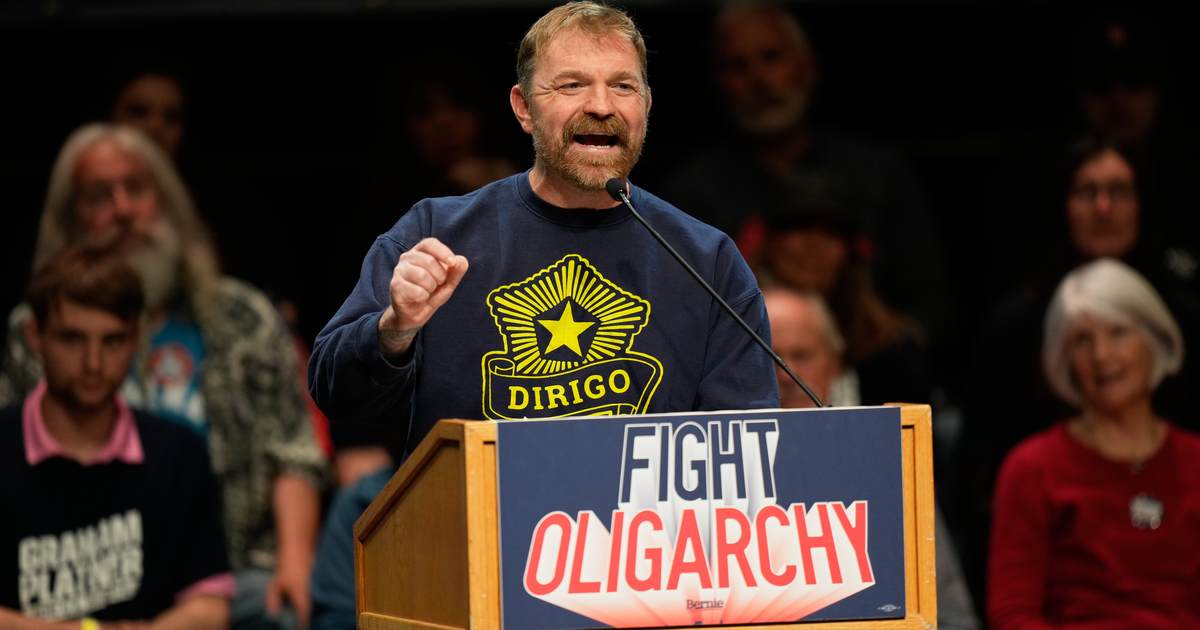
Graham Platner keeps pushing his Senate bid in Maine despite a pile of controversies dragging behind him. Allegations of domestic abuse, a posed blue-collar image that clashes with his background, and reports about an offensive tattoo have become central talking points. Voters deserve to weigh those issues against any policy proposals he offers.
Platner has rolled out a vision for how elections should work that is heavy on showmanship and light on specifics. He talks about hard rules for campaign timing and public funding while promising aggressive enforcement aimed at wealthy opponents. Those ideas read as political theater more than a practical blueprint for better voting.
“If I had my way,” Platner said, “elections would last two months, they would be publicly funded, and if a billionaire looked at their TV ad the wrong way, we’d put them in jail.” That line landed exactly as intended: loud, populist, and tuned to anger at money in politics. It also raises real questions about free speech, legal standards, and who gets to decide when speech crosses a line.
https://x.com/RNCResearch/status/2063792916267471192
Threatening criminal penalties for donors or independent producers of political ads is not a serious reform; it is intimidation in policy clothing. If you make jail part of political commerce, you end up weaponizing prosecutors against rivals instead of improving transparency. That approach shifts power away from voters and toward whoever controls enforcement.
Platner’s pitch also leans on permanent, expansive campaign calendars and public financing schemes that would use taxpayer money to bankroll parties and candidates. That idea assumes government administrators will be neutral stewards of political competition. History suggests centralized funding and long seasons often benefit entrenched interests and those who control the rules rather than the average voter.
Democrats love to blame billionaires for election outcomes, but money alone does not decide races. Candidates who talk about policy coherently, connect with local voters, and run competent campaigns win more often than those who rely on fundraising narratives. Pinning every fault on cash ignores the quality of ideas and the reality of voter behavior.
Platner’s campaign has raised big dollars from left-of-center donors, yet that hasn’t stopped notable losses for similar figures. Pointing at wealthy backers feels like a talking point, not a strategy. Republicans understand that a strong message and credible candidates beat flashy fundraising in the long run.
Beyond policy, Platner carries political baggage that surrounds his public persona. The contrast between a manufactured “working-man” image and a privileged past hurts credibility with voters who value authenticity. Credibility matters in tight races, where a few undecided voters can decide the outcome.
People on the right are suspicious when a candidate mixes populist rhetoric with punitive proposals aimed at private citizens. Promises to jail dissenting donors or media backers should alarm anyone who cares about free expression and fair play. Those tactics invite retaliatory measures when the other side gains power.
It’s also worth noting that candidates with too much baggage often force their own party into defensive modes that drain resources. Supporters must decide whether fighting old controversies while pushing controversial policies is worth the political cost. Maine voters will get to answer that question at the ballot box.
Editor’s Note: The 2026 Midterms will determine the fate of President Trump’s America First agenda. Republicans must maintain control of both chambers of Congress.