California’s election machinery turned a simple mayoral primary into a slow-motion circus, leaving voters and candidates staring at a maze of mail ballots, late tallies, and questions about fairness.
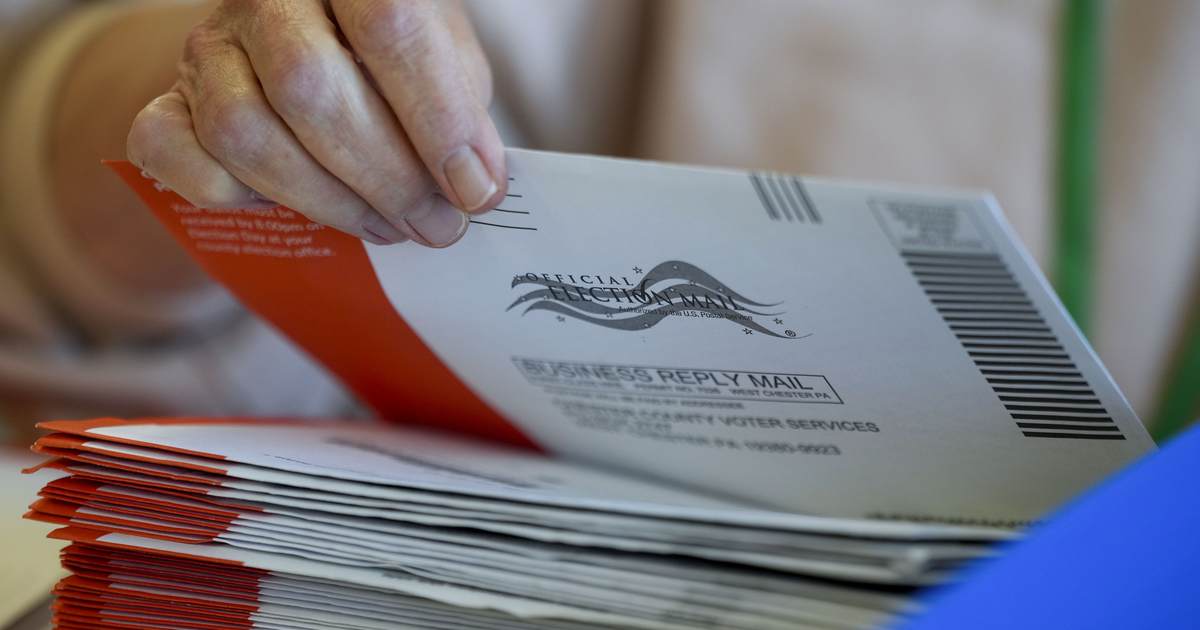
The Los Angeles mayoral primary exposed ugly weak spots in how big cities count votes and handle mail ballots. What looked like a straightforward result on election night shifted as thousands of ballots were processed, changing who might advance to the runoff. That flip-flop did more than alter one race. It reinforced long-standing concerns about the incentives and mechanics built into California’s system.
Spencer Pratt ran a campaign that caught attention and had viral moments, but the final tallying stage proved brutal. Early results had him moving toward a runoff, only to see the numbers tighten as more ballots arrived. Nithya Raman pulled ahead in updated counts, and the late swing left supporters stunned.
What looked like a clear path to the November runoff for Spencer Pratt has suddenly become a much steeper climb.
Los Angeles City Councilmember Nithya Raman has overtaken the former reality TV star in the race for second place, according to the latest vote count from the Los Angeles County Registrar-Recorder/County Clerk.
The shift comes after days of steadily narrowing margins as election officials continue processing hundreds of thousands of outstanding ballots.
https://x.com/bonchieredstate/status/2063792116061405656?ref_src=twsrc%5Etfw
When ballots keep trickling in after the headlines, it erodes confidence. Voters are left wondering which ballots will show up late and who delivered them. The vague feeling that the system advantages one side feeds into a broader distrust that neither party should want to see deepen.
California’s heavy reliance on mail ballots and the permissive rules around collection create predictable outcomes. Ballot harvesting may not be illegal in many situations, but loosened safeguards make the process ripe for manipulation. The system effectively rewards organized delivery networks, not individual voter intent, and that matters when races are close.
Local commentators and celebrities noticed the odd swings and called them out in blunt terms. That public reaction matters because it reflects what millions of voters already suspect: the process can be opaque and slow, and the results can feel engineered. Any perception that officials are simply processing stacks of ballots to change outcomes corrodes legitimacy.
Reports on the late-count dynamics mentioned familiar culprits: thousands of outstanding ballots processed days after election night and the kinds of administrative hiccups that tend to favor candidates with activist networks. The narrative plays out the same way in city after city, and it is no accident that one side seems to benefit more consistently. That pattern needs honest scrutiny rather than tired defenses of the status quo.
Actor Jamie Kennedy reacted publicly to the swing in this race, using strong language to describe what he saw. His reaction echoed what many grassroots voters feel when initial results are overturned by late returns. Whether you like his tone or not, the point he made was about faith in the election, and faith matters.
It’s enough for him to Scream.
Actor and comedian Jamie Kennedy expressed astonishment at the dramatic shift in odds away from Spencer Pratt in the Los Angeles mayoral election.
The “Scream” star, who supports Pratt, shared a post on Friday showing that socialist city Councilmember Nithya Raman had a 95% chance of advancing to November’s general election despite Pratt still maintaining a lead with votes still being counted.
“This is a literal crime scene,” he wrote. “There is no way this is an honest election.”
Strong rhetoric aside, the sensible response is to fix the system so dramatic late shifts are rarer and more explainable. That means stricter chain-of-custody rules for ballots, clearer deadlines, and transparency about how late ballots are handled. Practical changes like these reduce suspicion and make every vote count the same way.
California’s current setup gives political operatives room to operate in ways ordinary voters do not see. When one side repeatedly benefits from procedural quirks, calls for reform are not partisan whining. They are a demand for equal treatment and visible, consistent rules that ensure everyone’s ballot is handled the same.
Los Angeles showed the country a preview of what happens when election administration meets large populations and permissive rules. Voters deserve a process they can trust, and that starts with making the rules clearer and the counting process faster and more transparent. Without that, headlines will keep changing long after election night and the public will keep losing confidence.