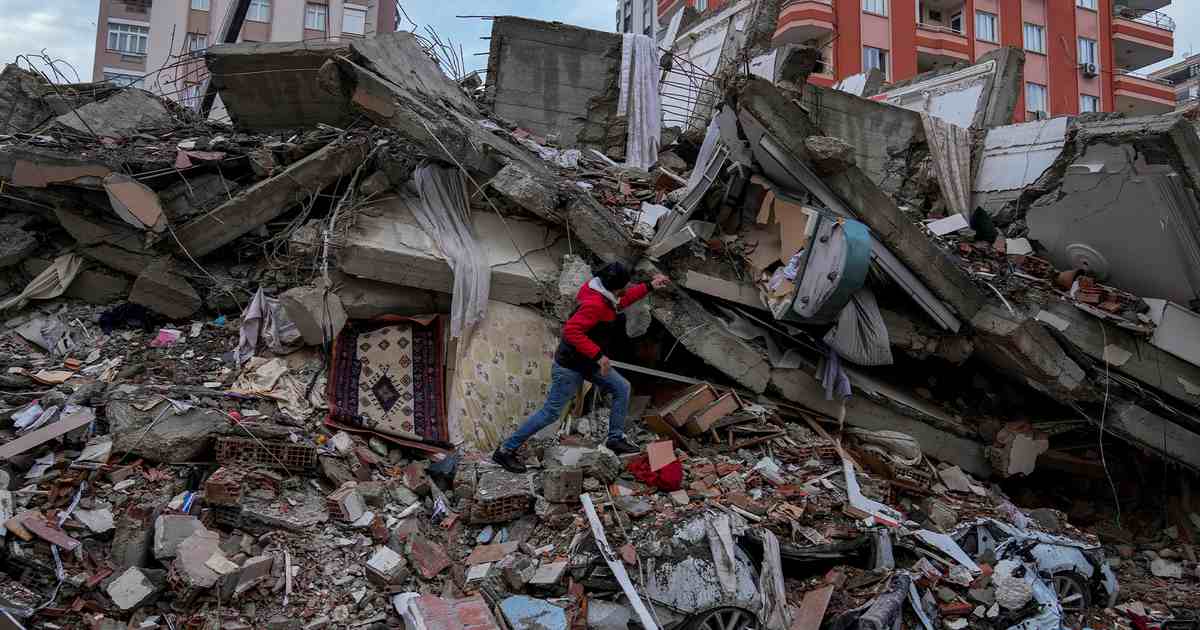
At least 32 people were killed and hundreds more hurt when a 7.8 magnitude earthquake struck off Mindanao, Philippines, triggering landslides and a three-foot tsunami that damaged buildings and infrastructure across the southern island. The quake rattled communities on an island of about 26 million people, sent large structures swaying, and continues to produce dangerous aftershocks as rescue teams search for survivors. Officials are still tallying casualties and assessing the full scale of destruction.
The quake hit off the coast of Mindanao in the southern Philippines, and early reports put the confirmed death toll at 32 with up to another 200 injured. Emergency crews are contending with collapsed roads, landslides, and pockets of communities cut off by devastation. Access to some affected areas remains difficult, slowing rescue and relief operations.
The seismic event generated a localized tsunami measured at roughly three feet in height, adding to the damage and complicating coastal evacuations. Landslides triggered by the shaking claimed additional lives and buried homes in some mountain communities. Officials warn that more casualties are possible as search teams reach remote places where reports have been scarce.
https://x.com/weatherchannel/status/2063967943277605352
Raw video circulated showing terrified children huddled together at school on what some reports called the first day of classes for the term. President Ferdinand Marcos, Jr. canceled classes and ordered evacuations in the areas at highest risk. Schools and community centers are being used as temporary shelters while authorities coordinate relief.
Other footage captured buildings failing, including fast-food outlets and mid-rise structures collapsing as people screamed and fled. More footage shows a fast-food restaurant crumbling to the ground while people scream in horror. Reports from larger towns described major structural damage and power outages that hinder communication.
The quake was powerful enough to make some of the island’s tallest buildings sway, alarming residents and businesses in city centers. Hospitals in affected provinces are treating the injured while emergency teams work to restore utilities. Local authorities have warned residents to stay clear of damaged structures and to be prepared for significant aftershocks.
The Philippines sits squarely on the Pacific Ring of Fire and is consistently ranked among the world’s most disaster-prone countries, with roughly 90 percent of global earthquakes related to that region. Mindanao’s population of about 26 million means any major quake carries a high risk for widespread human impact. Meteorological and geological agencies continue to monitor seismic activity closely and issue alerts as needed.
The U.S. Embassy in the Philippines issued a statement offering sincere condolences and said they will continue monitoring the situation. International partners have signaled readiness to assist depending on requests from Philippine authorities. Aid coordination is focusing first on search and rescue, medical support, and getting food and shelter to displaced families.
Emergency responders and volunteers have been clearing roads and searching collapsed buildings in the hardest hit communities. Temporary shelters are being established in schools and public halls to house those who lost homes or whose homes are structurally unsafe. Local and provincial governments are mobilizing resources, but officials emphasize that access and logistics remain major challenges for relief efforts.
Television and social media coverage has been dominated by harrowing images from the ground, with rescuers pulling people from wreckage and residents digging through rubble for belongings. Hospitals have activated mass-casualty protocols in the most affected provinces, prioritizing those with life-threatening injuries. Public health officials are also warning about risks from contaminated water and the need for sanitary conditions in crowded shelters.
Authorities are urging residents in aftershock-prone zones to follow official evacuation orders and to use designated evacuation routes and centers. Infrastructure inspections are underway for bridges, roads, and public utilities to prevent secondary disasters. Citizens are being advised to keep emergency kits ready and to stay updated through official channels for the latest safety instructions.
Editor’s Note: President Trump is leading America into the “Golden Age” as Democrats try desperately to stop it.
Help us continue to report on President Trump’s successes. Join Townhall VIP and use promo code FIGHT to receive 60% off your membership.