Los Angeles’ messy mayoral race flipped after mail‑in ballots, and new video claims from Skid Row allege people were paid small amounts to cast ballots for Karen Bass and Nithya Raman, with footage reportedly passed to federal investigators.
Election night showed one picture, then mail‑in ballots painted another. Nithya Raman was emotional after the initial count, only to find a runoff looming once mail ballots were tallied, and Republican Spencer Pratt slipped from a lead as those ballots were added. That swing has people asking how results shifted and whether the system invites manipulation.
Now, videos from downtown Los Angeles neighborhoods are being cited in reports that homeless residents were offered cash to vote for Bass or Raman. The clips surfaced on social media and, according to reports, have been shared with the Department of Justice. The allegations are blunt and specific enough to demand scrutiny.
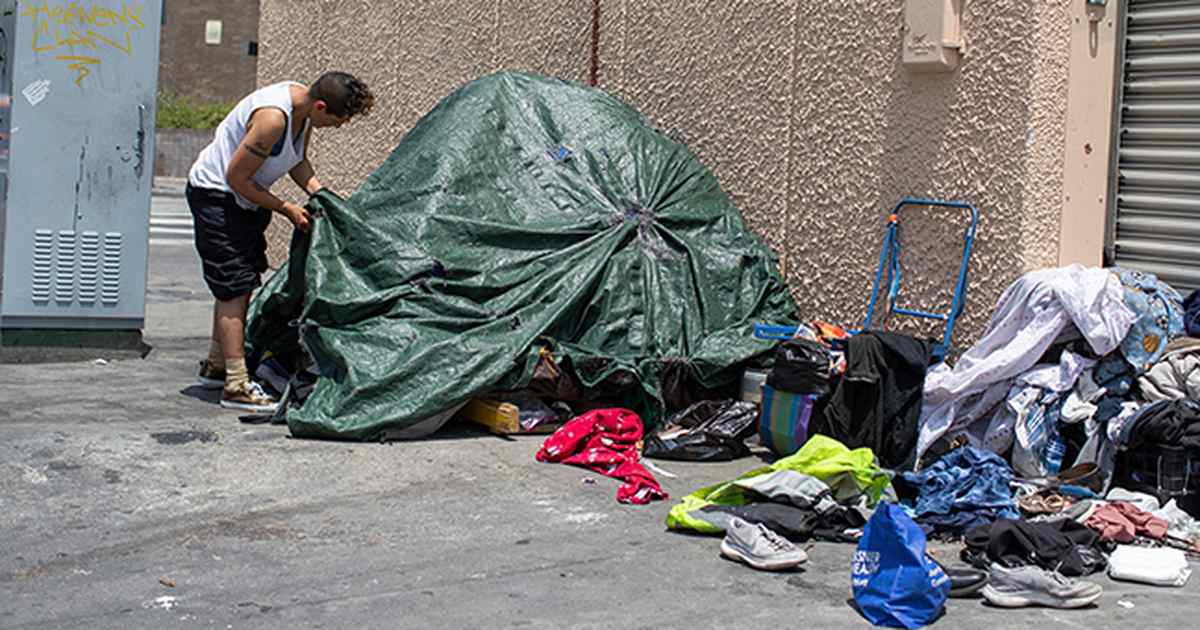
A series of shocking videos show homeless residents on Los Angeles’ Skid Row claiming they were paid to vote for Mayor Karen Bass and councilwoman Nithya Raman.
The California Post obtained copies of the videos after they were published Tuesday on the TikTok account LaneNeedsSpencerPratt.
The footage, recorded near 7th Street and Flower Street in downtown Los Angeles on Tuesday morning, has since been provided to the Department of Justice. It also follows The Post’s revelations that thousands of homeless voters were registered to shelters where they didn’t live.
One shelter in Venice, where 185 Raman voters were registered, received $600,000 from taxpayers care of the socialist Raman.
In one of the clips, a man who calls himself Kevin Shepherd, claimed he received $4 to vote for Bass.
[…]
“They gave you an optional choice,” Shepherd claimed, alleging the was offered $2 but negotiated for a higher payment and ultimately received $4.
Shepherd further claimed he completed a mail-in ballot for Bass and deposited it in a ballot box.
Skid Row resident, Rene Johnson, 39, also claimed she received $5 after being told to vote for Bass.
Johnson said she supported Bass, but told the creator she was still unclear about some of the forms she had completed.
“But, you know, at the time, I didn’t know that that was going on,” she said.
[…]
Another woman, who said she was living on the street, also claimed she accepted money to vote for Mayor Bass.
“It was like two bucks,” the unidentified woman said, adding that “yeah they come out here all the time.”
Many interviewees for the piece said this was routine. It’s nothing new. It’s been happening forever in American elections, where political machines dominate and run wild.
Those video claims include small dollar amounts — two to five dollars — which on the surface sound ridiculous, but repeated and directed payments can tip close races. The idea that mail‑in ballots or voter registrations tied to shelters could be weaponized raises real questions about chain of custody and verification. If shelters were used as registration hubs without proper residency verification, that needs investigation.
Democrats have long touted expanded voting access as a victory, and in many ways it is. But access without safeguards invites abuse, and the federal involvement here shows how seriously authorities must treat the claims. Voter integrity isn’t a partisan slogan; it’s a basic requirement for confidence in any election.
Local campaigns and city officials owe the public clear answers: who coordinated shelter registration drives, how were ballots handled, and who paid people to fill forms or drop envelopes? Those are straightforward questions that can and should be answered with records and testimony. Transparency is the only remedy when results change suddenly after voters leave the polls.
Accountability matters more than spin. If these videos check out and payments are traced to organized efforts, criminal charges should follow and procedures must change to stop it. If the claims are false or exaggerated, the people behind them should be identified and exposed so they can’t be used to undermine trust in future contests.
This isn’t just a Los Angeles problem. Anywhere systems accept mail‑in ballots, bundle registrations through shelters, or rely on third parties to handle voter materials, there’s a vulnerability. Conservatives pushing for secure, auditable voting systems aren’t trying to suppress turnout — they’re pushing for elections you can believe in.
Meanwhile, voters should demand fast, public reports on any probe into these claims. Lawmakers need to strengthen residency verification where appropriate and clamp down on pay‑for‑votes schemes of all sizes. The core of democracy is that every legitimate vote counts and no vote is bought.