President Trump plans to nominate Jay Clayton as the permanent Director of National Intelligence, following Tulsi Gabbard’s resignation, with William Pulte stepping in as acting DNI on June 19 amid controversy over the office’s future size and role.
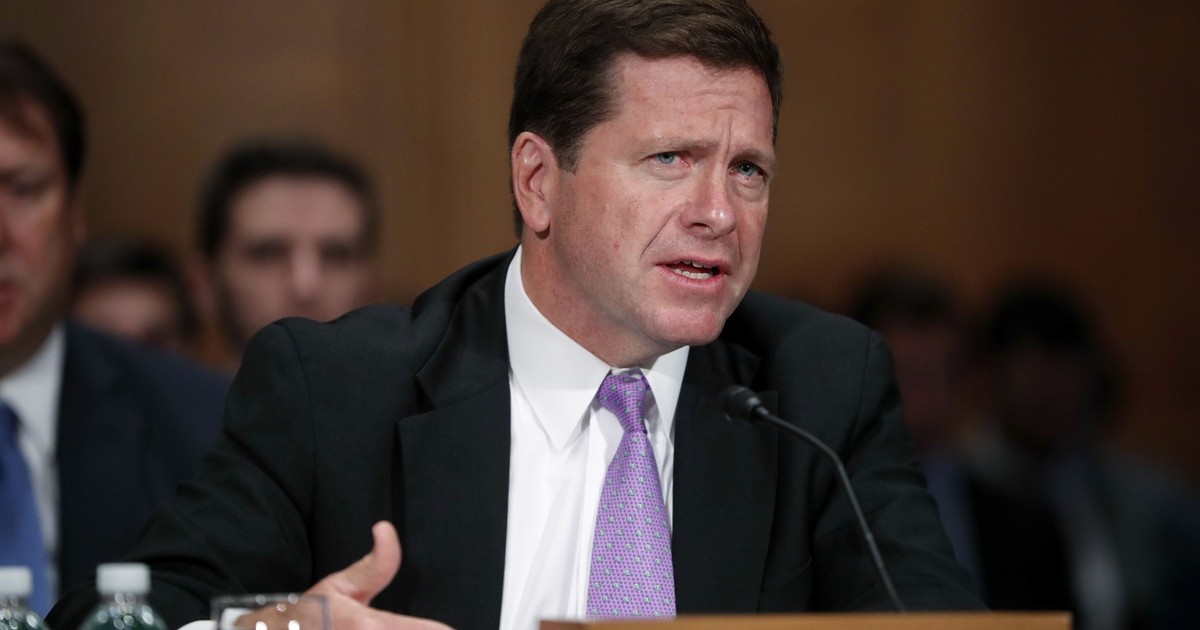
United States Attorney for the Southern District of New York Jay Clayton will be President Donald Trump’s nominee to be the permanent Director of National Intelligence. The announcement marks a major personnel move at the top of the intelligence community and comes with clear White House direction about the office’s future shape.
His nomination follows DNI Tulsi Gabbard’s decision to step down as her husband fights bone cancer, a personal situation that led to her exit. The transition timeline is public and designed to take effect while the administration lines up its permanent choice.
Trump wrote on Truth Social on Thursday afternoon that “few people anywhere in the Legal Community are respected at the level of Jay” and he wants the Senate to confirm Clayton “as soon as possible.” That endorsement underscores how the White House is selling the pick: experience and gravitas in the legal world translated into an intelligence leadership choice.
She will be leaving her role on June 19, as Trump has brought in Federal Housing Finance Agency Director Bill Pulte to serve in the role in an acting capacity with the mission of shrinking the office’s size. The White House framed Pulte’s short-term assignment as a managerial reset, with an explicit instruction to return personnel to their home agencies.
“I have named William Pulte to be Acting Director of National Intelligence, who will take over on June 19th, and have asked him to execute the immediate and needed downsizing of the office, reverting staff to their home agencies,” Trump posted on Wednesday morning. That direct order signals a clear intent to trim what the administration views as bloat and overlap in the intelligence establishment.
Pulte’s appointment garnered significant backlash from Democrats, and many voted against the three-week extension of FISA Section 702, a foreign surveillance policy, in the House because of it. Opposition centered on both the person and the policy implications of installing an acting leader during a period of structural change.
“Bill Pulte has no relevant national security experience,” House Minority Leader Hakeem Jeffries and other House Democratic leadership said in a joint statement. “Consequently, his appointment is in defiance of the law that requires the Director of National Intelligence to have ‘extensive’ national security experience. The apparent motivation for his elevation is the demonstrated willingness of Bill Pulte to search government databases for alleged dirt on President Trump’s chosen political enemies,” the Democrats continued.
Trump noted Wednesday that multiple individuals were being interviewed for the position, quipping that he would “rather have [someone] smart than experienced.” That line captures the administration’s willingness to prioritize judgment and managerial skill over a conventional CV when staffing sensitive posts.
During the first Trump administration, Clayton oversaw the Securities and Exchange Commission. His background in high-stakes legal and regulatory work is the credential the White House is highlighting as it pushes the nomination forward and presses the Senate for a quick confirmation.
The debate now centers on two competing priorities: restoring what Republicans see as efficient, accountable intelligence operations and the objections from Democrats about process and qualifications. Expect confirmation hearings to focus on Clayton’s legal pedigree, his approach to intelligence oversight, and the pace and purpose of the planned downsizing.
https://x.com/cspan/status/2064745947339329878